Study: Rinsing with Unsweetened Cranberry Juice Lowers Activity of Bacteria Linked to Tooth Decay
An experimental study of 22 participants found that unsweetened cranberry juice reduced growth of bacteria associated with tooth decay by 44% in adults and 33% in children, while researchers warned about the small sample and short follow-up.
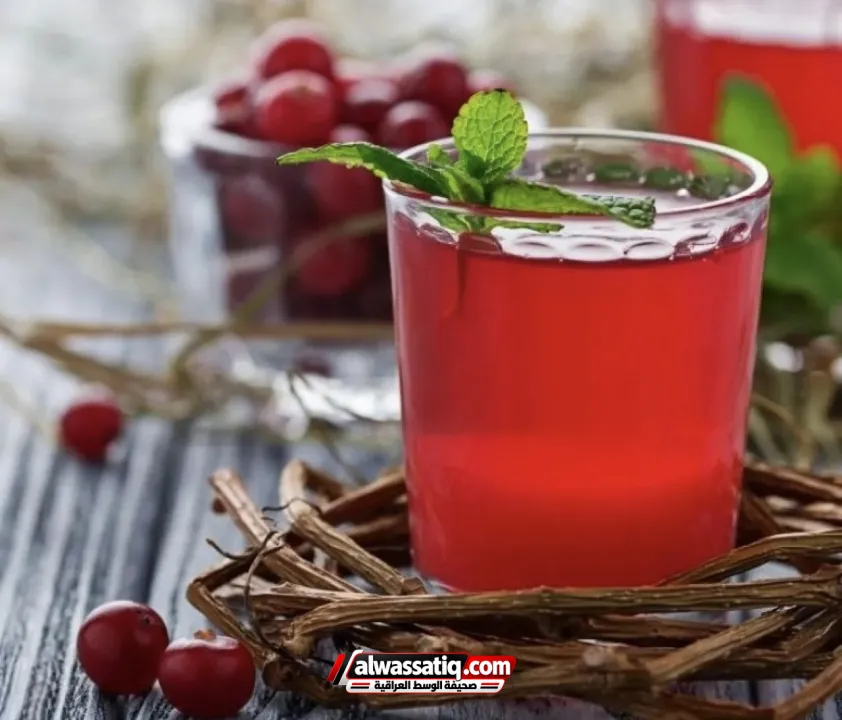
A scientific study found that rinsing with unsweetened cranberry juice may reduce the activity of bacteria associated with tooth decay by inhibiting their growth and lowering production of acids that attack tooth enamel.
Dental plaque that builds up on teeth consists of bacterial communities and other oral materials, and the activity of some bacterial types produces acids that can weaken enamel and increase the risk of decay. The researchers attributed these effects to natural compounds in cranberries known as proanthocyanidins, which may inhibit the activity of bacterial groups referred to in the study as mutans streptococci, which are linked to plaque formation.
Christine, a pediatric dentist at the University of Illinois Chicago who participated in the study, said the common belief that cranberry juice’s acidity and sugar content make it unsuitable for oral health may discourage its use, but the trial’s results point to potential benefits from some of its compounds.
The trial included 22 participants — eight adults and fourteen children — and tested the effects of three beverages: pure cranberry juice, a sweetened drink containing 27% cranberry juice, and water for comparison. Participants refrained from brushing their teeth for 24 hours before sample collection.
The team took plaque samples before each beverage was consumed, then took additional samples after participants rinsed their mouths with the beverage and swallowed it, and collected further samples 30 minutes later to measure changes in bacterial activity and acid production.
Results showed that pure cranberry juice was associated with a 44% reduction in bacterial growth in adults and a 33% reduction in children compared with baseline samples. The researchers attributed the age difference to possible variations in the composition and diversity of oral microbial communities between children and adults, which could affect their response to plant compounds.
The sweetened drink containing 27% cranberry juice produced a numerical reduction in bacterial growth but did not reach statistical significance, signaling insufficient evidence of a clear effect for that product within the limits of the study.
The researchers warned that the findings should be interpreted cautiously because of the small number of participants and the short follow-up period. They noted the study measured changes in bacterial activity and acid production only and did not demonstrate that regularly drinking cranberry juice reduces cavity rates over the long term.
They also called for further research to understand the effect of the juice’s acidity on enamel and to distinguish between the potential benefits of its compounds and the harmful effects of repeated exposure to acidic beverages.