Commander of Iran’s Ground Forces: More Than 50 Combat Units Deployed on Borders and Ready to Repel Any Incursion
Brig. Gen. Ali Jahanshahi said brigades, armored, artillery, missile and drone units remain deployed along axes stretching from the northwest to the Makran coast, and described measures to deal with possible aircraft landings or hostile force entries.
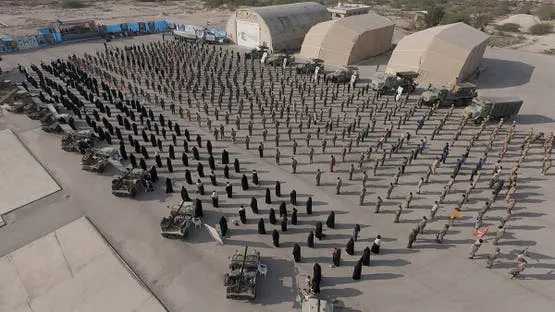
Brigadier General Ali Jahanshahi, commander of the Iranian Army’s ground forces, announced the continued deployment of more than 50 combat and support units along the country’s borders, saying they are ready to confront threats and that measures are in place to deal with the possibility of hostile forces entering Iranian territory.
In an interview published today, Saturday, Jahanshahi said the deployment began with the outbreak of the war and that the units remain in their positions. The deployment included mobile brigades, rapid-reaction forces, armored and mechanized units, alongside artillery, engineering, missile units and unmanned aerial vehicles.
He added that deployment sites extended from the country’s northwest to its west and southwest, and from the east to the southeast and the Makran coast. He said personnel, ammunition and equipment were moved using heavy vehicles, and that movements took place at night under the threat of hostile aircraft and drones, noting that this deployment helped deter any attempt to breach the borders.
Regarding readiness for a possible incursion, Jahanshahi said the army conducted reconnaissance across the country to identify locations that could be used for landing hostile aircraft or for entry of forces, including abandoned airports, and arranged to allocate units to confront such threats.
He said the deployed forces continue their missions despite difficulties including temperatures exceeding 50 degrees Celsius, high humidity and shortages in some capabilities, and affirmed their readiness to carry out operations. He added that the army reviewed its operational plans, adjusted its structure and combat organization, and equipped units with precision, smart weapons capable of operating within networked systems, in addition to enhancing personnel training.
He added that the army established trenches, tunnels, firing positions and defensive fortifications inside camps to reduce human losses and limit equipment exposure to targeting.
Jahanshahi also said the ground forces carried out offensive missile operations during the war and launched thousands of Arash-model drones toward American targets in the region and Israel. He said equipment production continued during the war and remains ongoing, and that his units’ capabilities and readiness are higher than before the fighting.
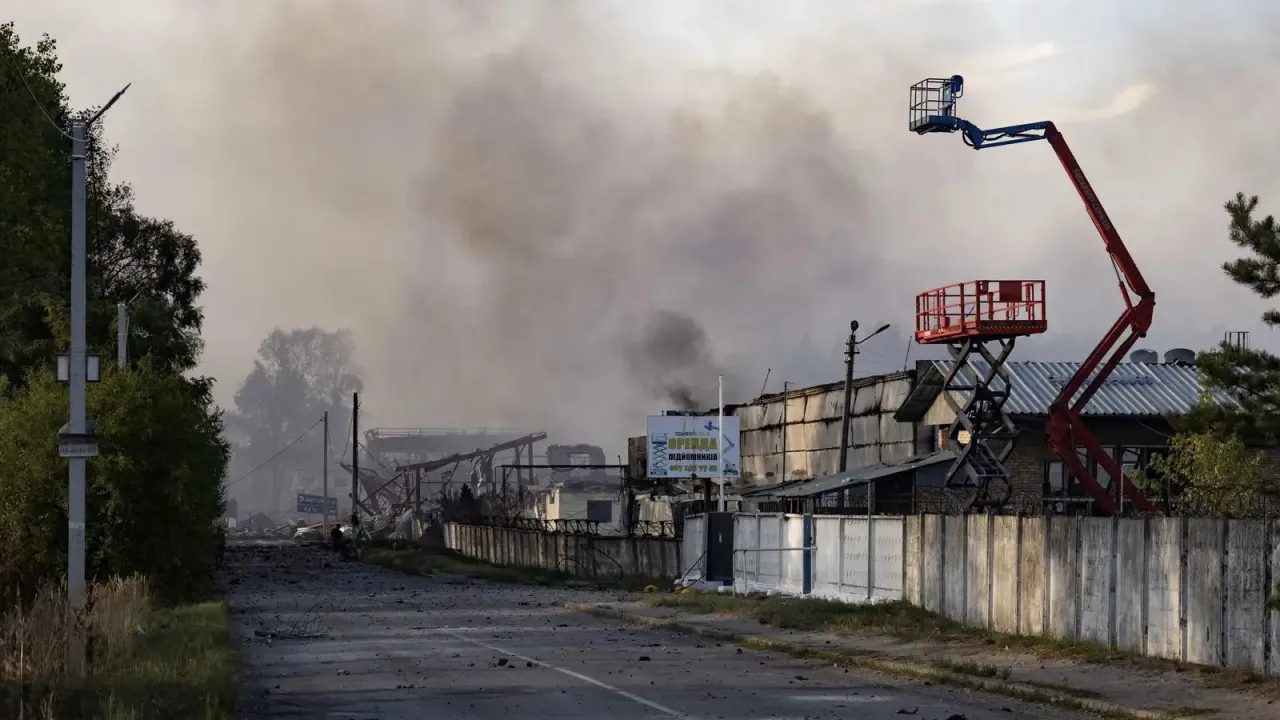
He acknowledged that several camps were attacked and large areas of their buildings were destroyed, but said the distribution of forces and the fortifications helped limit losses, without providing a specific casualty count.
Separately, the Chief of Staff of the Iranian Armed Forces and commander of the central Khatam al-Anbiya headquarters, Brigadier General Ali Abdollahi, said police command centers were targeted and that a number of police personnel were killed during the war. Abdollahi attributed the attacks to the United States and Israel, and said police premises and equipment were damaged, without giving a specific toll of dead or the number of facilities affected.
Abdollahi called for expediting repairs of sites and equipment to enable police personnel to continue their duties under better conditions, praised the police commander, provincial leaders and specialized agencies for their efforts in managing security work, and said cooperation between the armed forces, police, intelligence agencies and the population helped preserve internal security.