Iranian and Iraqi officials agree to accelerate implementation of Sumar crossing plan and develop border infrastructure
According to Iranian media reports, a bilateral meeting on Thursday discussed accelerating implementation of the master plan for the Sumar crossing between Kermanshah and Mandali to facilitate trade and remove border obstacles, with expectations the crossing could receive about 100,000 visitors next year.
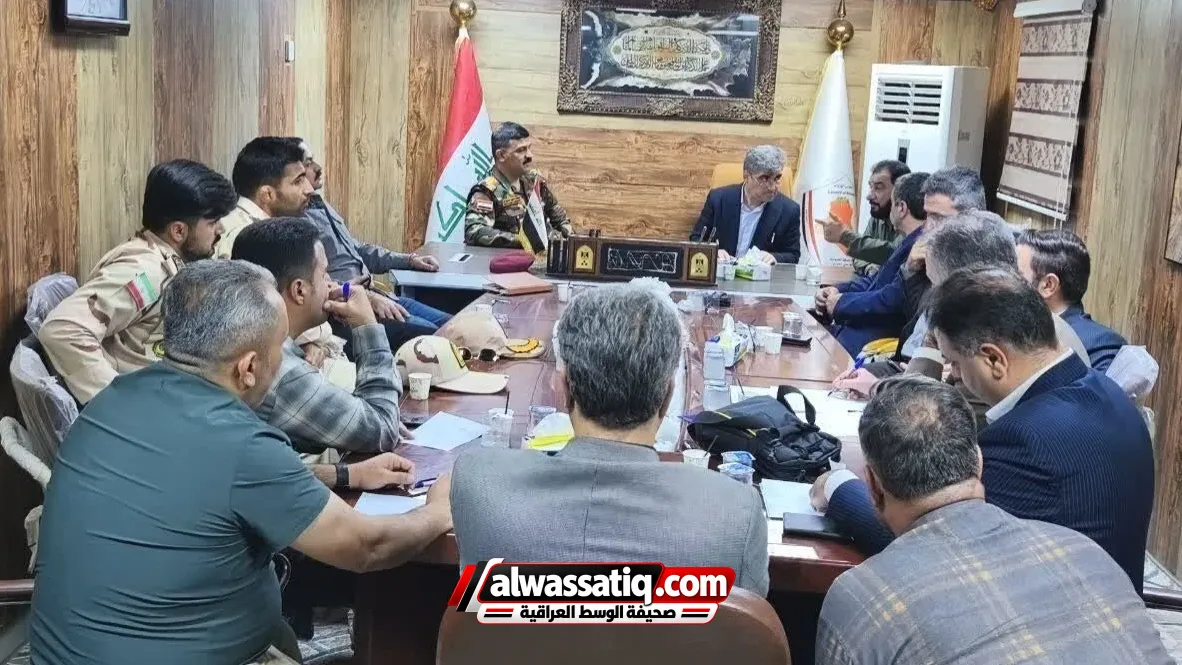
According to Iranian media reports, a bilateral meeting was held on Thursday between officials from Iran and Iraq to discuss accelerating implementation of the comprehensive plan and developing infrastructure at the border between the city of Sumar in Iran’s Kermanshah province and the city of Mandali in Iraq’s Diyala province, as part of efforts to facilitate commercial movement and reduce border obstacles.
The meeting discussed a range of issues related to trade exchange and operation of the crossing, including removing export obstacles, easing trade procedures, addressing problems faced by Iranian drivers, and coordinating technical experts from both countries to implement border infrastructure and speed up completion of the Sumar crossing master plan.
Heshmat Rezaei, the governor of Gilan-e Gharb city, expressed appreciation for the hospitality of Mandali residents toward Arbaeen pilgrims passing through the crossing to the holy shrines, while stressing the importance of developing economic relations and facilitating trade between the two countries.
Rezaei emphasized that removing export obstacles and coordinating customs and border procedures are key elements to accelerate trade exchange and alleviate exporters’ hardships, calling for technical coordination between experts from both sides in areas such as mapping, organizing entry and exit gates, and the coordinated implementation of infrastructure works.
Rezaei said continued coordination and interaction between officials will pave the way to develop commercial capacities, facilitate the movement of transport fleets and benefit from the crossing’s economic potential, noting expectations that about 100,000 visitors will pass through the Sumar crossing during the next year, which requires strengthening infrastructure, providing services and activating a dedicated passport control gate for visitors.
The governor also pointed to the cultural and historical ties between residents of the border areas in the two countries, saying that facilitating the movement of travelers contributes to strengthening popular relations, supporting tourism and developing economic exchanges, and stressing the need for ongoing cooperation between officials to remove obstacles and exploit the crossing’s potential.
For his part, Younes Amiri, adviser to the Kermanshah governor for Iraqi affairs, thanked Iraqi officials for hosting the meeting and emphasized the importance of strengthening fraternal relations and direct communication between the two countries’ officials to resolve border and trade issues more quickly, noting that these historical and cultural ties allow interactions beyond protocol frameworks.
Amiri conveyed greetings from the governor of Kermanshah and affirmed the status of the Gilan-e Gharb governor as the government’s representative in the city and the need to use his authorities to communicate with the Iraqi side, praising the work of the border guards, customs, the highways administration and other executive bodies, and confirming continued coordination to follow up on border issues.
Officials of the Iraqi border city of Mandali announced at the end of the meeting their readiness to enhance bilateral cooperation, expand border and trade relations, and participate in developing the infrastructure of the Sumar crossing.