New understandings to centralize weapons in Iraq... timetable through June 2027
New understandings to centralize weapons in Iraq... timetable through June 2027
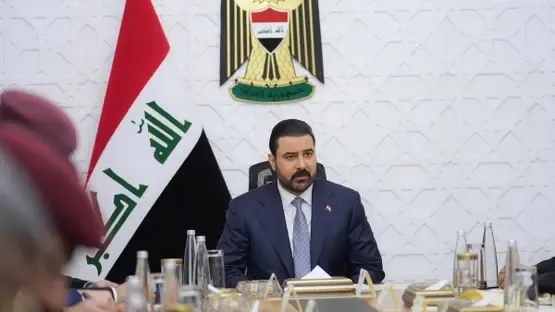
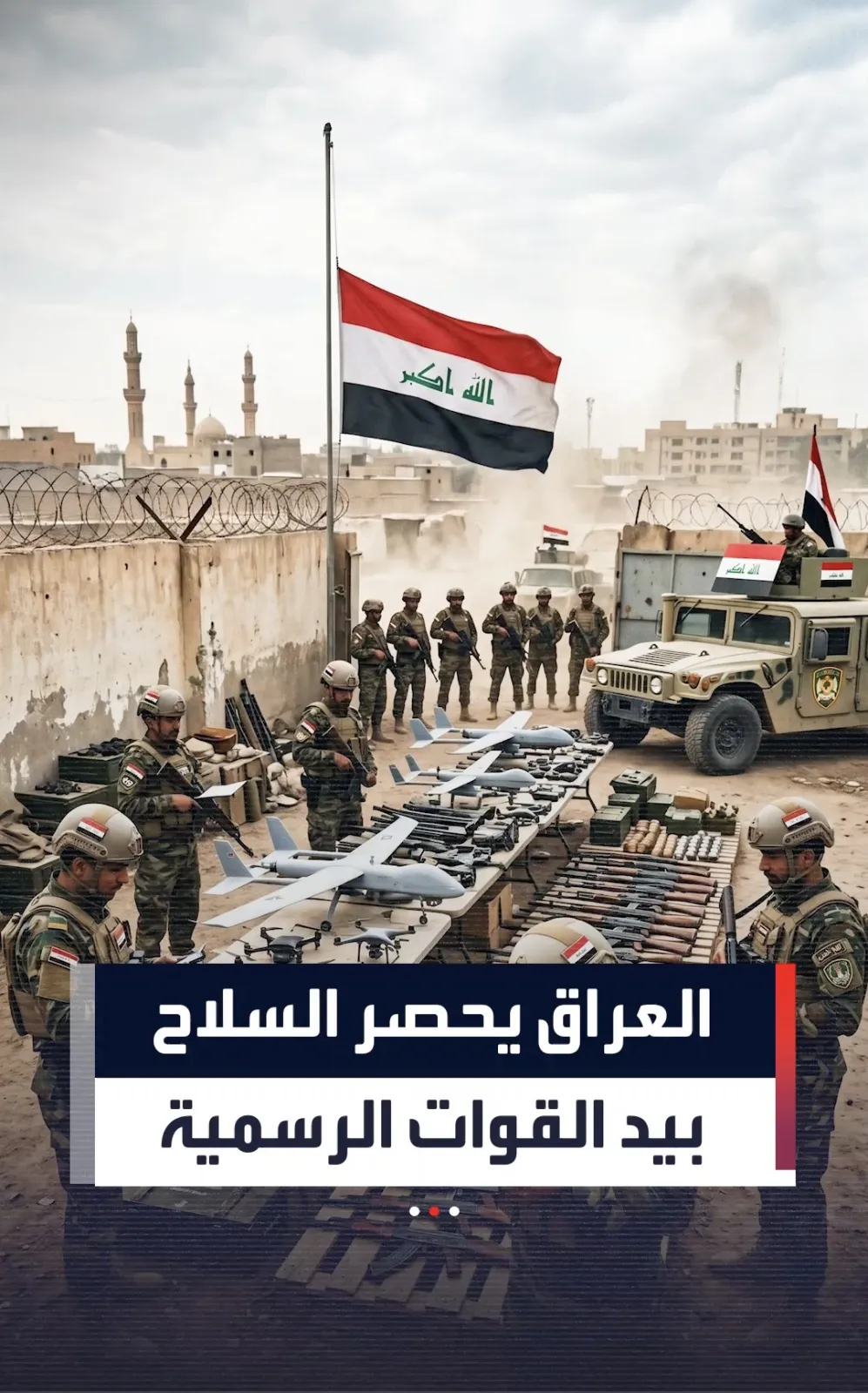
Sources revealed new understandings on the file of centralizing the weapons of armed factions in Iraq, which include timelines for handing over strategic weapons and integrating faction formations into state institutions. The committee tasked with centralizing weapons in Iraq reached understandings stipulating that the centralization will conclude in June 2027, explaining that the understandings include the start of factions handing over their strategic weapons to the Iraqi government from March 2027, and that the process of integrating faction brigades into the Popular Mobilization Forces will begin after the completion of the US withdrawal from Iraq at the end of this month.
Under the understandings, the factions also pledged to stop any military activity that contravenes the Iraqi state, according to sources who said parties are currently working to persuade the United States of the details of the new agreement on centralizing weapons in Iraq.
Al-Zaydi pledges to implement
Prime Minister Ali Al-Zaydi pledged to centralize the weapons of the armed factions in his country by June 2027, saying, "This is not optional, but a necessity."
Al-Zaydi added: "Others talked about this matter and then retreated. They yielded to pressure or to other fears. For me, this file, alongside the file of corruption, is a matter of honor," he said in an interview with The New York Times.
According to Al-Zaydi, an initial 90-day period will first be granted during which the factions will not carry out any attacks, with guarantees that they will not be attacked by US forces; after that, the factions will begin handing over their weapons, with disarmament to be completed by June 30, 2027.
He also said his goal is for these factions to cease to exist as independent entities, adding: "They will join the Popular Mobilization Forces as individuals and integrate into it," but after the deadline, any groups operating under faction names "will be regarded as outlaw groups," he said.
The prime minister said he believes that centralizing weapons will enable Baghdad "to build a strong economy."
Centralizing weapons in Iraq
It is worth noting that the prime minister pledged since taking office in May to centralize the factions' weapons under state control. He has already begun talks with a number of factions to hand over their arms. Three of the country's largest armed factions—Saraya al-Salam led by Muqtada al-Sadr, Asa'ib Ahl al-Haq, and Kata'ib Imam Ali led by Shibl al-Zaydi—previously handed their weapons over to the state and announced their engagement in civilian work.
Consultations continue with five armed factions—Harakat al-Nujaba, Kata'ib Sayyid al-Shuhada, Kata'ib Hezbollah (Iraqi Hezbollah Brigades), Saraya Awliya' al-Damm, and Ashab al-Kahf—to hand over their weapons.
Prime Minister's security adviser Qasim Al-Araji said two days ago that there is no specific deadline set to complete the task of the committee charged with centralizing the factions' weapons.
At the same time, the Iraqi government reiterated that September 30 is a "fixed and final" date to end the international coalition's military mission and complete the withdrawal of its forces, and that October 1 will mark the start of a new phase in which the country is free of any foreign military presence.