Iraq and Middle East Record Biggest Rebound in Oil Exports Since February
Iraq and Middle East countries recorded their biggest recovery in oil exports since February.
Data from Kepler showed that crude oil exports from major producing countries in the Middle East rebounded in September to reach 16.328 million barrels per day, the highest level since the outbreak of the U.S.-Israeli war on Iran in February, as Saudi Arabia and the UAE increased their exports.
Preliminary data showed this rebound followed a recovery of exports via the Strait of Hormuz, which were expected to reach about 9.719 million barrels per day this month, with Saudi Arabia diverting its oil shipments from the Red Sea port of Yanbu after attacks damaged the kingdom’s East-West pipeline, Reuters reported.
According to Kepler’s data, despite the rebound in exports from the region—which includes Saudi Arabia, the UAE, Iraq, Oman, Qatar, Kuwait and Iran—exports remain about 3.2 million barrels per day lower than the 19.513 million barrels per day level in February.
This includes shipments transiting the Strait of Hormuz, including ship-to-ship transfers in the Gulf of Oman, shipments from the Fujairah ports in the UAE and Oman outside the Strait of Hormuz, and exports via the Red Sea.
Kepler said in a note on Monday that it “estimates crude oil exports from the Middle East to be slightly less than 80 percent below pre-conflict levels.”
The data showed that Saudi Arabia, the region’s largest exporter, was on track to ship about 5.4 million barrels per day this month, up from 2.446 million barrels per day in August.
According to the data, September shipments from Saudi Arabia’s Ras Tanura port in the Gulf jumped to about 3.25 million barrels per day, compared with 929,000 barrels per day in August, but remain below the 6.411 million barrels per day recorded in February.
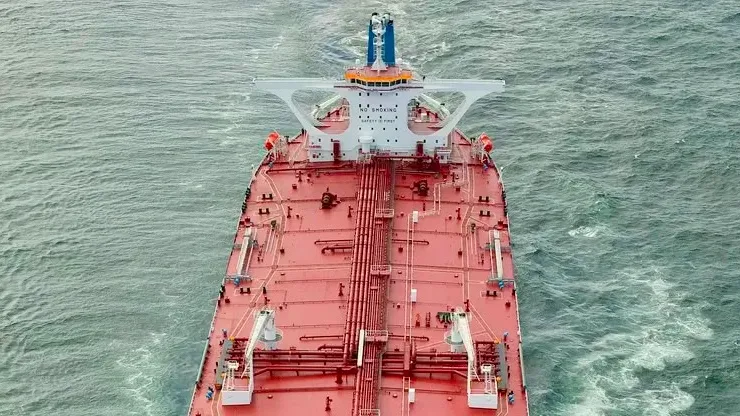
Kepler’s data showed that a total of 19 very large crude carriers, each carrying two million barrels of Saudi oil, exited the Strait of Hormuz last week.
These figures exclude any ships that may have transited the strait with their automatic identification system beacons switched off to avoid detection.
Before the outbreak of the war with Iran on February 28, the strait usually saw about 125 large commercial vessels a day, including oil and gas tankers, bulk carriers and container ships, representing about 20 percent of daily global supplies of crude oil and liquefied natural gas.