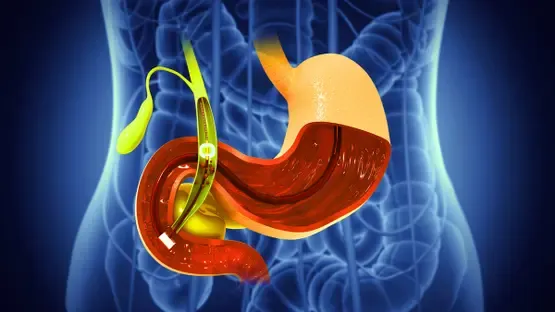
Diabetes: Ways to Treat High Blood Sugar and Control It with Simple Daily Steps
Diabetes: ways to treat high blood sugar and control it with simple daily steps
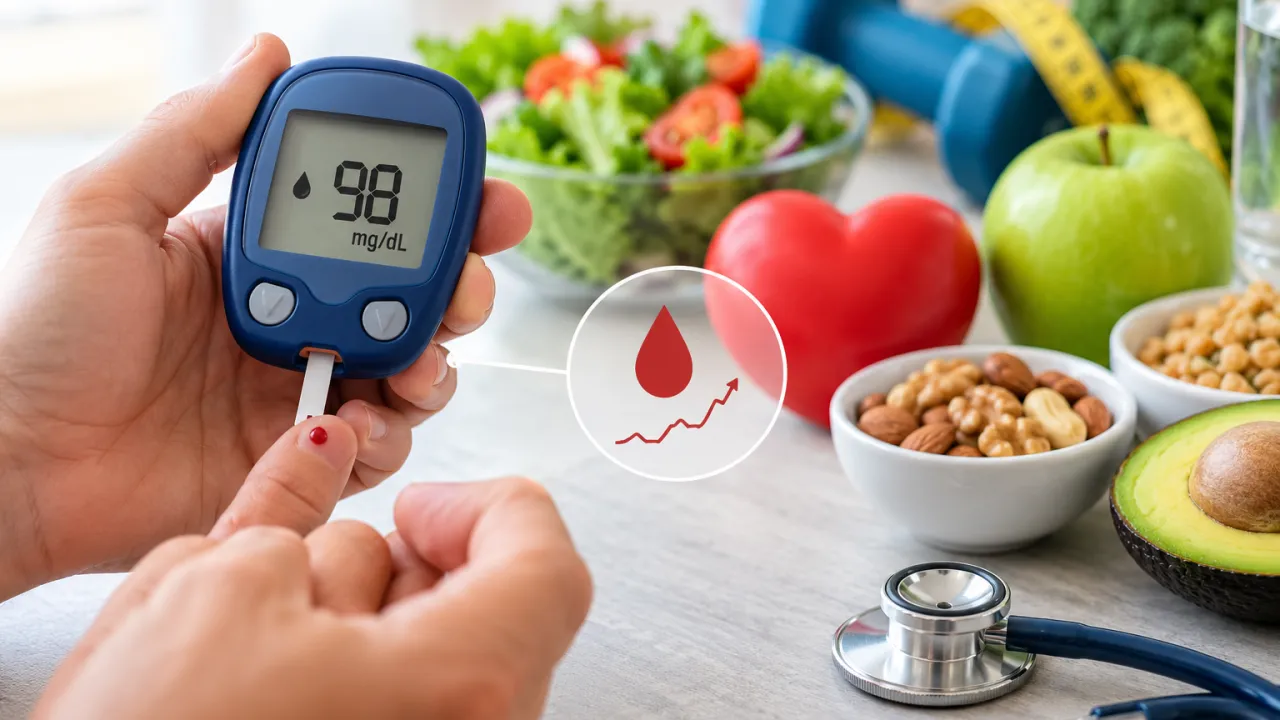
Diabetes: Ways to Treat High Blood Sugar and Control It with Simple Daily Steps
Diabetes is a chronic disease that requires ongoing follow-up, but having it does not necessarily mean the patient must live away from a normal life. In many cases blood sugar can be controlled and the risk of complications reduced by combining appropriate nutrition, physical activity, blood sugar monitoring, and adherence to the treatment prescribed by the doctor.
Management of diabetes varies from person to person depending on its type, age, weight, health status and medications used, so there is no single method that suits all patients.
What is diabetes?
Diabetes occurs when the level of glucose in the blood rises due to a problem in insulin production or in the body's ability to use it effectively.
Diabetes is divided into several types, the most notable being type 1 and type 2. People with type 1 need insulin because the body cannot produce enough of it, while type 2 is often associated with insulin resistance and the patient may need lifestyle changes, medications, or insulin depending on their condition.
Can diabetes be cured permanently?
Medically, it is more accurate to speak of "control of diabetes" rather than the existence of a single cure that heals all cases permanently.
For type 2 diabetes, research indicates that some people may reach a stage called "diabetes remission", where blood sugar levels fall into a non-diabetic range for a period of time without using diabetes medications, especially after significant and sustained weight loss in some cases. However, blood sugar can rise again, so continued medical follow-up is necessary. (National Institute of Diabetes and Digestive and Kidney Diseases)
Key ways that help lower blood sugar
1. Meal planning
The type of food, its amount and the timing of eating can directly affect blood sugar levels.
It is recommended to focus on vegetables, appropriate proteins, whole grains and fiber-rich foods, while paying attention to the amount of carbohydrates in the meal.
The Centers for Disease Control and Prevention note that regulating carbohydrate quantity and using the plate method can help a person with diabetes manage blood sugar levels better. (Centers for Disease Control and Prevention)
It is also useful to reduce sugary sodas, sweetened juices and high-sugar desserts, and to replace sugary drinks with water whenever possible.
2. Walking and physical activity
Regular movement is one of the most important ways to help regulate sugar because it improves the body's ability to use glucose and insulin.
You do not have to start with strenuous exercise; walking may be a suitable start for many people. Health guidelines indicate that a general goal for many adults is to gradually reach about 150 minutes of moderate-intensity physical activity per week, taking each person's health status into account. (Centers for Disease Control and Prevention)
Anyone using insulin or certain diabetes medications should know how to manage the possibility of low blood sugar during or after activity.
3. Losing weight when needed
For people with type 2 diabetes who are overweight or obese, losing some weight may help improve control of blood sugar, blood pressure and cholesterol.
Information from the U.S. National Institute of Diabetes and Digestive and Kidney Diseases indicates that losing about 5 to 7% of body weight in some people who are overweight can achieve important health benefits. (National Institute of Diabetes and Digestive and Kidney Diseases)
Very restrictive diets or very low-calorie programs are not recommended without medical supervision.
4. Regular blood sugar measurement
Monitoring blood sugar helps the patient and the doctor understand the effects of food, activity and medications on the body.
The doctor may request measurements on waking, before meals, after meals, or before bed depending on the patient's condition and the treatment used.
The Centers for Disease Control and Prevention note that some common targets for adults with diabetes are between 80 and 130 mg/dL before a meal and less than 180 mg/dL two hours after the start of a meal, but the appropriate target can vary from patient to patient, so it is set individually by the doctor. (Centers for Disease Control and Prevention)
5. Adherence to diabetes medications
Some people with type 2 diabetes may be able to control blood sugar through lifestyle changes at certain stages, while others require medications or insulin.
Diabetes medication or dosage should not be stopped or changed simply because readings have improved without consulting the doctor, since the lower sugar may be the result of the treatment's success.
Modern diabetes care also includes evaluation of blood pressure, cholesterol, kidneys, heart, weight and other diabetes complications, not blood sugar alone. (Diabetes Journals)
6. Sleep and stress reduction
Insufficient sleep and psychological stress can make diabetes control more difficult for some patients.
Therefore getting adequate sleep, regular sleep timing, physical activity and using appropriate stress-relief methods can be useful parts of a healthy lifestyle for a person with diabetes. (Centers for Disease Control and Prevention)
Foods beneficial for people with diabetes
There is no single list that suits all patients, but a balanced diet may include vegetables, whole grains, legumes, lean proteins, nuts in appropriate amounts, and whole fruits rather than relying on juices.
Having protein or fiber with a meal may slow the rise in blood sugar compared with consuming some carbohydrates alone. (Centers for Disease Control and Prevention)
More important than searching for foods said to “lower blood sugar immediately” is sticking to a balanced diet that suits the individual’s needs and medications.
When is high blood sugar dangerous?
High blood sugar may present as intense thirst, frequent urination, fatigue or blurred vision, but some people may not notice clear symptoms.
Severe elevation, especially in people with type 1, may be associated with the buildup of ketones and diabetic ketoacidosis, which is a medical emergency. Medical sources recommend seeking urgent care when there is a severe elevation accompanied by high ketones or serious symptoms such as vomiting, difficulty breathing, or altered consciousness. (Centers for Disease Control and Prevention)
Conclusion
Controlling diabetes does not rely on one step or a quick recipe, but on a set of factors starting with healthy food, physical activity and weight management, extending to regular blood sugar measurement, adherence to treatment and periodic examinations.
The more regularly a patient is followed, the more possible it becomes to detect problems early and reduce the likelihood of complications affecting the heart, kidneys, eyes and nerves.
Medical notice: The information in this article is for general awareness and is not a substitute for a doctor's diagnosis or treatment plan. Diabetes medications or insulin doses should not be changed without consulting the specialist physician.