Risks of eating chicken: food poisoning, frying and grilling
Risks of eating chicken: food poisoning, frying and grilling
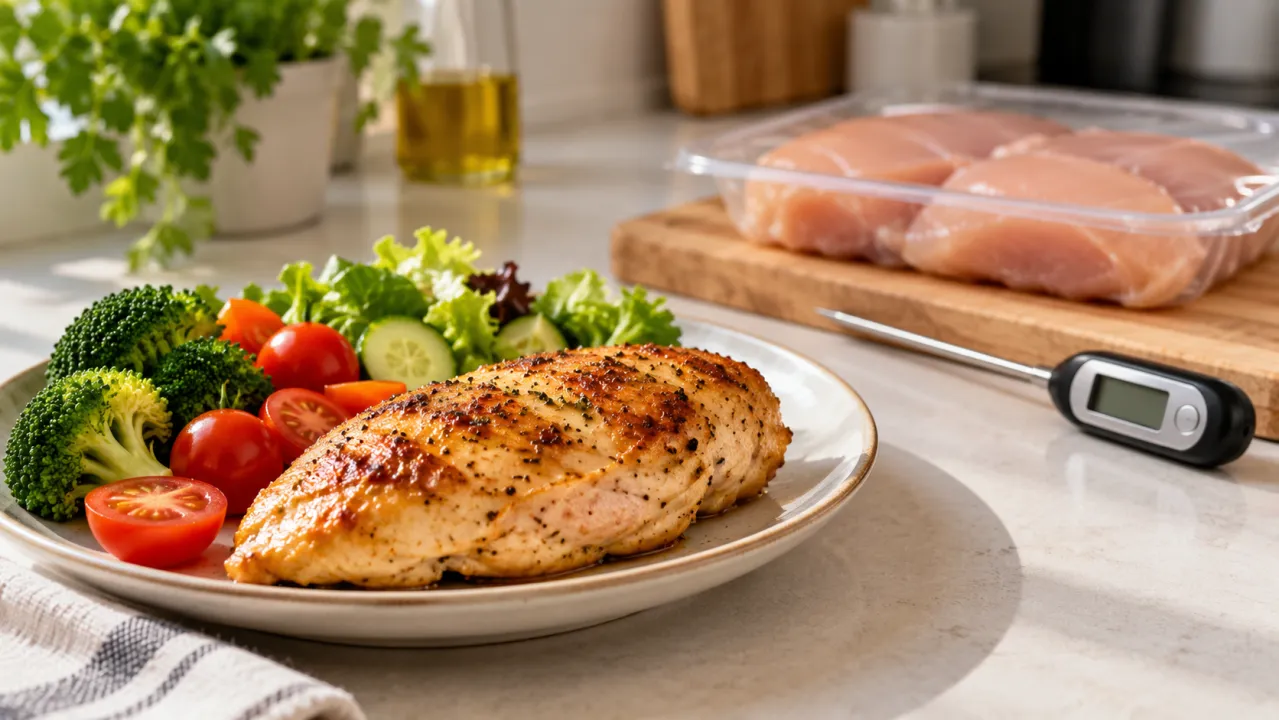
Chicken is a good source of protein and can be part of a balanced diet. But some methods of preparing and storing it, or excessive consumption of fried and processed chicken, may be associated with health risks. Therefore it is not correct to say that eating chicken is harmful in itself; the problem is often related to contamination, the cooking method, quantity, and accompanying additions.
1. Food poisoning from raw or undercooked chicken
Raw chicken may carry bacteria such as Salmonella andCampylobacter. If not cooked properly, or if its juices contaminate vegetables and ready-to-eat foods, it can cause diarrhea, cramps, vomiting, or fever. Some groups, such as young children, the elderly, pregnant women, and people with weakened immune systems, are more vulnerable to complications.
To prevent this, it is advised to cook chicken until its internal temperature reaches about 74°C approximately. It is best to use a food thermometer, because color alone does not always confirm doneness. You should also separate raw chicken from cooked food, and wash hands, utensils, and surfaces after handling it.
2. Washing raw chicken can spread bacteria
Some people think rinsing chicken in water cleans it, but water spray can transfer bacteria to the sink, surfaces, utensils, and nearby foods. Therefore, health authorities recommend not washing raw chicken; thorough cooking is what kills the bacteria.
3. Excessive fried chicken and skin
Fried chicken or chicken coated in a thick batter can contain more calories and fat than roasted or boiled chicken, especially if fried in large amounts of oil or served with fries and sauces. Chicken skin and some fatty cuts also add saturated fat; therefore regularly eating these meals may be less suitable for heart health and weight compared with leaner, skinless pieces.
4. Excessive grilling and charring
When cooking meats, including chicken, at very high temperatures or over direct flame until charred, compounds may form known as heterocyclic amines andpolycyclic aromatic hydrocarbons. Health institutes indicate that these compounds may form in heavily grilled or fried chicken, but their effect on cancer risk in humans remains not conclusively settled. It is preferable to reduce charring, keep chicken away from direct flame, and avoid burning it while grilling.
5. Sodium in processed chicken products
Not all chicken products are the same; sausages, luncheon meat, ready-made nuggets, and some marinated or preserved meats may contain high amounts of salt. Excess sodium is linked to high blood pressure and increased risk of heart disease and stroke. Therefore it is advisable to read nutrition labels, reduce ready-made products, and choose fresh or minimally processed chicken whenever possible.
6. Antibiotics and bacterial resistance
Antibiotics are used to treat sick animals, but excessive or uncontrolled use in animal husbandry can contribute to the emergence of drug-resistant bacteria. The World Health Organization emphasizes the need to limit routine use of antibiotics important to humans in healthy animals. This does not mean that every piece of chicken contains drug residues or directly causes illness; rather the broader health issue is bacterial resistance to antibiotics, and it requires monitoring of production and use.
7. Poor storage and reheating
Leaving cooked chicken out of the refrigerator for a long time allows bacteria to multiply. Food safety guidelines recommend refrigerating leftovers within two hours, or within one hour if the ambient temperature is above 32°C. It should also be kept refrigerated and reheated thoroughly before consumption.
Should you stop eating chicken?
No. Properly cooked and properly stored chicken can be a suitable dietary choice. To reduce risks, choose grilling, boiling, or oven cooking instead of frequent frying; reduce skin, salt, and sauces; avoid charred parts; and do not mix utensils used for raw chicken with ready-to-eat foods.
Conclusion: The harms of eating chicken are often linked to contamination, poor cooking and storage, or excessive consumption of fried and processed products. Fresh, well-cooked chicken as part of a balanced diet is not, however, shown to be harmful for everyone



