Sheikh Tamim: We insist on dialogue but will defend Qatar's sovereignty; exports hit after Hormuz closure
In opening the Shura Council session, Qatar's emir said the country will defend its sovereignty despite adhering to dialogue, and disclosed that a significant portion of gas exports was disrupted after the Strait of Hormuz was closed and facilities in Ras Laffan were damaged.
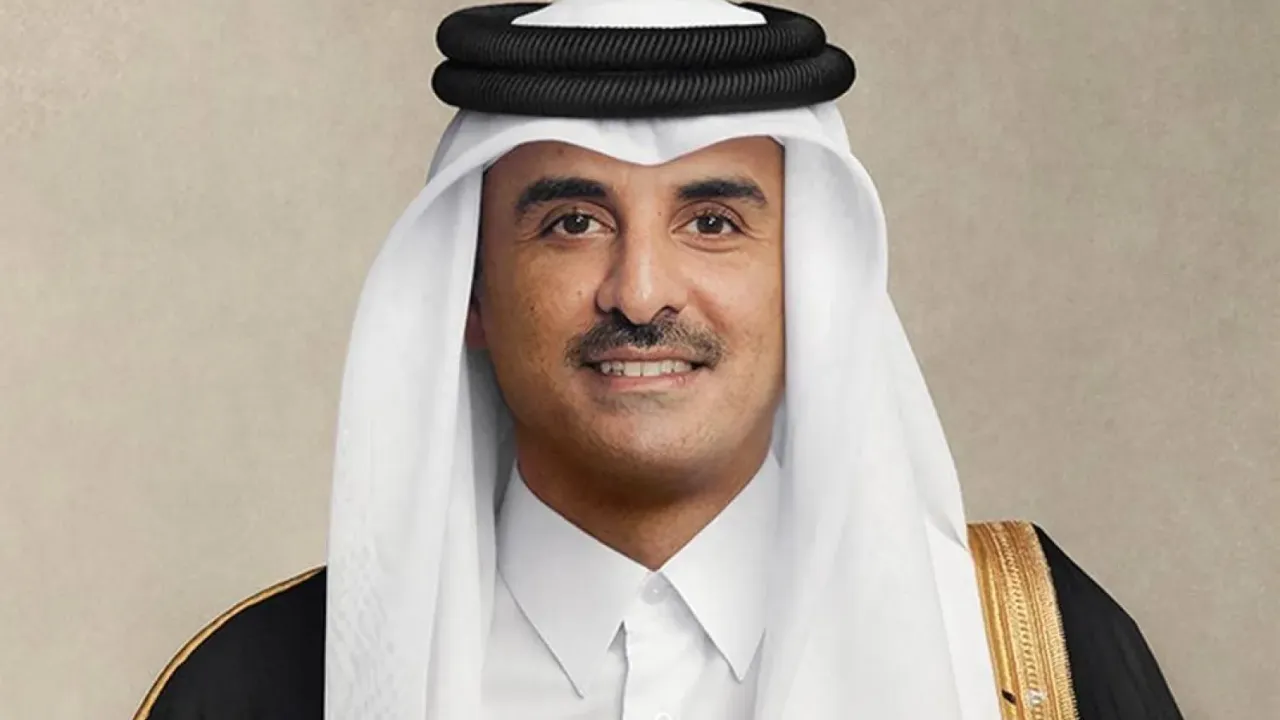
Qatar's emir, Sheikh Tamim bin Hamad Al Thani, said that the state's commitment to dialogue and diplomatic solutions does not mean laxity in defending its sovereignty, stressing that the security of the Gulf Cooperation Council states and protecting their stability "is not something that can be overridden or treated lightly." He made the remarks on Tuesday in a speech to mark the opening of the second regular session of the second legislative term of the Shura Council, corresponding to the fifty-fifth annual session.
Sheikh Tamim said Qatar was subjected to an attack on its territory by Iran, describing it as a clear violation of the country's sovereignty and of international law and the principles of good neighborliness, and emphasized that the armed forces and security agencies fulfilled their duty in defending the country.
He stressed that Doha's approach is based on dialogue and negotiation, but that it does not hesitate to protect its sovereignty, considering that the right of self-defence does not contradict efforts to prevent the spread of war.
He called for doubling Gulf, regional and international efforts to secure navigation in the Gulf and the Strait of Hormuz and to protect energy, water and civil infrastructure, noting that recent events have shown the interconnectedness of regional and global security and the impossibility of isolating the repercussions of conflicts from the global economy and international stability.
He stressed the need to continue cooperation and coordination among GCC states, considering the protection of the sovereignty of council states a shared responsibility, and announced that Qatar will continue to work with its regional and international partners to preserve the security of the region.
The emir said Qatar's response to the crisis rested on four tracks: defending the homeland without being drawn into war; ensuring the continuity of services, supply chains and economic activity; contributing to efforts to stop the fighting and open waterways; and pushing to resume negotiations and reach peaceful settlements.
He praised the performance of the armed forces and security agencies and the preparations that preceded the crisis, noting more than a decade of training and equipping, and affirmed that Qatar's resilience is the result of planning and investment in defence and institutional capabilities.
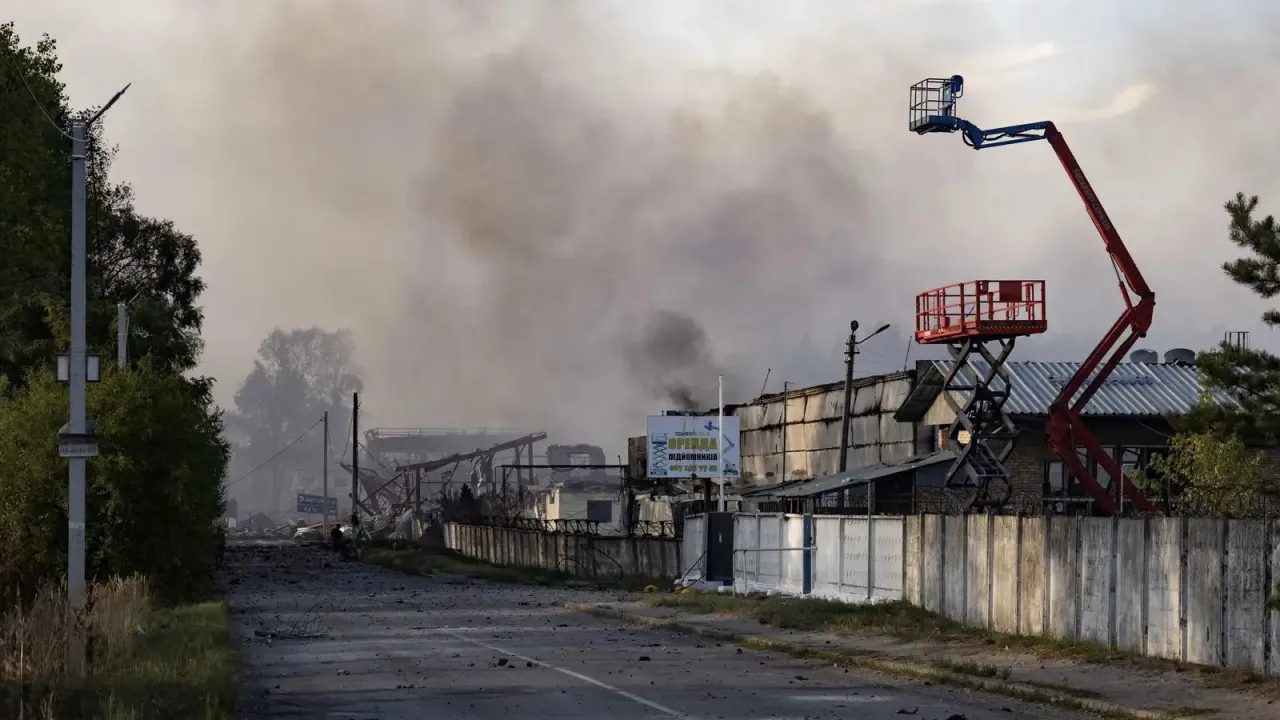
On the economic front, Sheikh Tamim revealed that a significant portion of the country's exports was disrupted as a result of the closure of the Strait of Hormuz and the direct damage to some energy facilities in the Ras Laffan industrial city, noting that Qatar supplies about one-fifth of global liquefied natural gas trade, which makes any disruption to its exports impactful on energy markets and consumers.
He said the crisis's repercussions were concentrated primarily in the energy sector, while non-hydrocarbon sectors continued to grow, reaching contributions of about 80 percent of real GDP, according to the figures he presented in his speech.
He explained that total public revenues fell by 42 percent during the first half of the year while expenditures declined by 14 percent, and confirmed that the government decided not to cut basic services or change development priorities despite the financial pressures.
He said the state faced the crisis relying on previous policies that included bolstering financial reserves, reducing public debt and growing non-oil revenues, called for continued fiscal discipline and improved spending efficiency, and affirmed that the goal of the recovery phase is to turn it into an opportunity to accelerate economic diversification and strengthen national capacities.
He announced a package of projects and investment opportunities estimated at about 221 billion Qatari riyals over the next five years, including infrastructure projects, public-private partnerships and investments in real estate and hospitality. He also presented real economic growth of 2.9 percent for 2025, an average inflation rate of 0.5 percent and a current account surplus while maintaining high sovereign credit ratings.
He confirmed the continuation of the North Field expansion projects to increase LNG production, progress on the Golden Pass project in the United States, and the expansion of international investments in energy, petrochemicals and solar power, urging the Shura Council to accompany these transformations with a package of legislation that enhances the role of the private sector and improves the investment climate.
On the Palestinian issue, Sheikh Tamim reiterated Qatar's call to hold accountable those responsible for Israeli violations, and described what happened in the Gaza Strip as "undeniably a genocide" that must not allow its perpetrators to evade accountability. He warned against continued Israeli practices against Palestinians, notably settler attacks in the West Bank under army protection and repeated raids on the Haram al-Sharif, considering those practices to be violations of international law, the UN Charter and international humanitarian law.
He concluded by reaffirming Qatar's continued support for political solutions in Sudan, Libya, Yemen and Somalia through comprehensive agreements that preserve the territorial integrity of those states and secure the interests of their peoples in security and stability.