Trump Administration Imposes Sanctions on the International Criminal Court
President Donald Trump’s administration announced sanctions on the International Criminal Court on Friday, threatening to cut its resources and cripple its operations; the court’s deputy prosecutor said the measures will not stop its work.
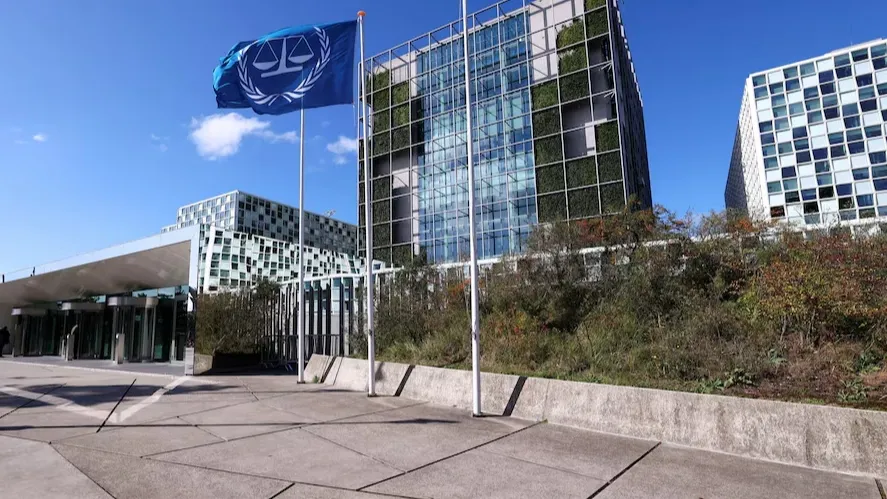
President Donald Trump’s administration imposed sanctions on the International Criminal Court on Friday, hours after one of its former judges won the Nobel Peace Prize.
Secretary of State Marco Rubio said in a statement ahead of the official announcement: "President Trump will never allow the International Criminal Court to prosecute Americans." He added: "That is why the United States today is imposing sanctions on the International Criminal Court. We will prohibit dealings with this rogue court, cut off its resources, and cripple its ability to operate."
He continued: "Either the International Criminal Court stops its threats, or we will end its existence. We expect our allies, many of whom belong to the International Criminal Court and rely on U.S. service members to defend them, to rein in the court."
Rubio added: "We designed this action to give the States Parties an opportunity to negotiate and provide a solution to address our concerns. If these efforts do not bear fruit, we will continue to adjust accordingly."
Friday’s move would go beyond previous measures taken by the administration and could include penalizing companies that provide services to the court itself.
For her part, the ICC’s deputy prosecutor, Nuzhat Shamim Khan, condemned the sanctions and said they would not stop the court’s work. Khan added that the sanctions "must be condemned," arguing that "the sanctions are aimed at undermining the rule of law internationally and the work carried out by an independent judicial institution. We will continue our work on all our cases, investigations, and prosecutions."
The Trump administration has long been hostile to the court, and has previously imposed sanctions on its prosecutors and judges. Washington was angered by arrest warrants issued by the court for Israeli officials including Prime Minister Benjamin Netanyahu, and by a previous investigation into the actions of U.S. soldiers in Afghanistan, which the International Criminal Court has since closed.