Trump Weighs Joining Saudi Strikes on Houthis After Riyadh Attack

Trump is considering US participation in Saudi strikes against the Houthis amid a serious military escalation in Yemen
Al-Wasat Iraqi newspaper – Follow-up
President Donald Trump announced on the evening of Saturday, October 10, 2026, that the United States is studying the possibility of joining the military operations led by Saudi Arabia against Ansar Allah (the Houthis) in Yemen, in a new development that comes amid escalating military confrontations and missile attacks that have targeted vital facilities inside Saudi territory.
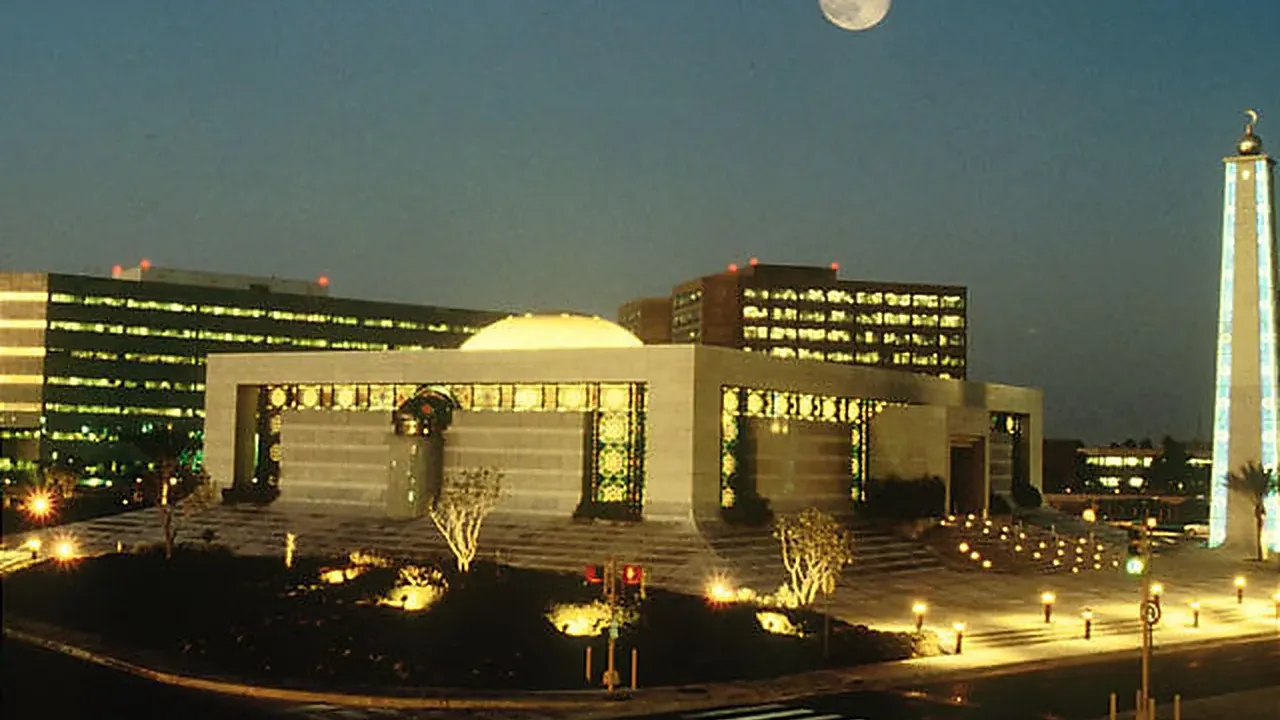
Trump’s remarks came after a new attack targeted King Khalid International Airport in the capital Riyadh, amid growing fears of a widening confrontation and the Yemeni conflict turning into a more complex regional front.
Trump: We are studying participation and will make a quick decision
In response to a question about the possibility of US forces participating in Saudi strikes against the Houthis, Trump said his country might take that step, confirming that his administration is studying the recent military developments.
The US president added: “Maybe we do it, we’ll study it. We just learned of the recent attack, and we’ll make a decision. We are moving very quickly.”
These remarks indicate that the option of direct US military intervention is now on the table for discussion, without meaning that a final decision has been made or that new US combat operations in Yemen have been announced.
Trump did not provide details on the nature of any potential participation, or whether it would be limited to specific air strikes or include other forms of military support.
New attack on Riyadh airport
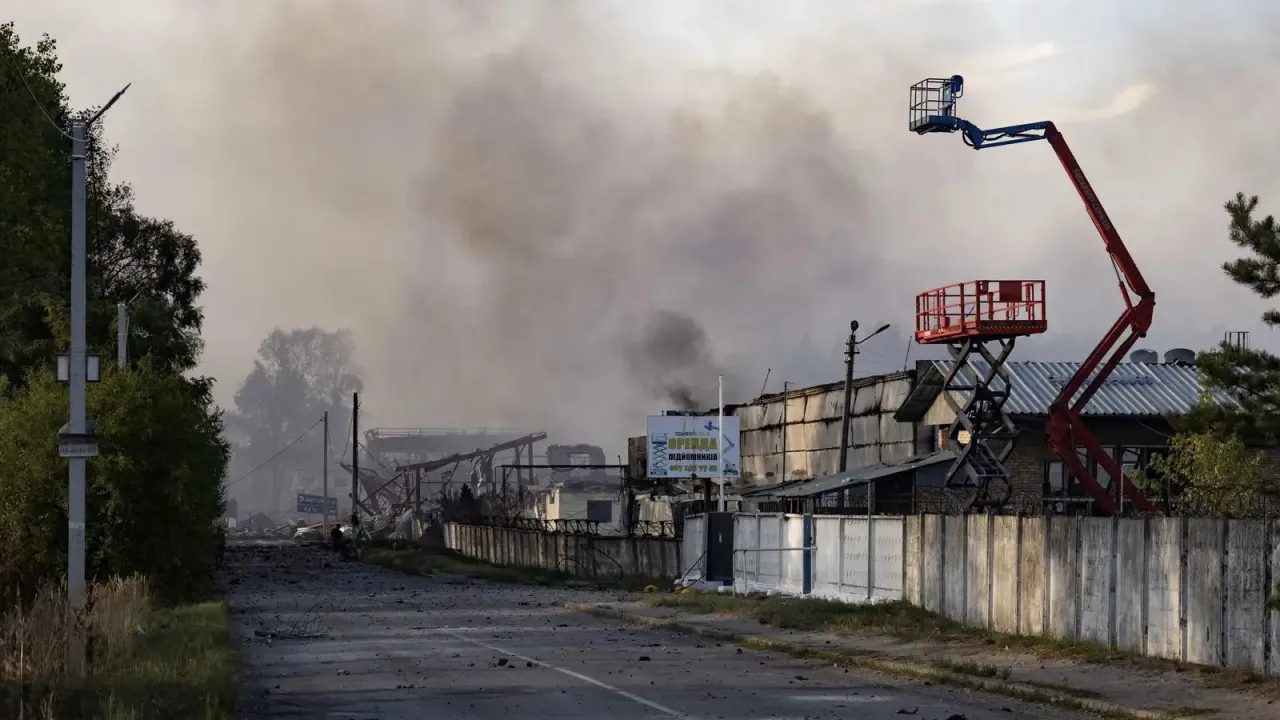
The US statements coincided with a new rocket attack on King Khalid International Airport in Riyadh on Saturday, which resulted in several injuries and the evacuation of parts of the airport, according to international news reports.
The attack disrupted air traffic and diverted flights to alternative airports, while some airlines canceled a number of their flights to the Saudi capital.
Earlier attacks during the same week had caused fatalities and injuries, including three Saudi citizens whose deaths were announced by authorities in attacks that targeted the airport.
These developments follow warnings issued by the Houthi movement to airlines about using Saudi airspace, amid escalating military confrontation between the group and Saudi-backed forces.
Saudi Arabia expands its military operations in Yemen
Meanwhile, the Saudi-led coalition intensified its military operations against Houthi sites inside Yemen, as part of a campaign aimed at targeting the group’s missile and military capabilities and supporting Yemeni government forces.
The coalition spokesman, Brig. Gen. Turki al-Maliki, announced the execution of a wide military operation, saying 136 military targets were destroyed in areas under Houthi control, according to a tally announced by the coalition.
Fighting has renewed between government forces and the Houthi movement, particularly in areas near the western coast and the Bab al-Mandeb strait, which is one of the strategic shipping lanes for international trade.
This escalation increases concerns about maritime security and the movement of oil tankers and commercial ships, especially with ongoing military tensions in other parts of the Middle East.
What is the nature of US support for Saudi Arabia?
The United States has previously provided support to Saudi Arabia that included intelligence sharing and assistance in target identification and military planning, without announcing direct participation in the recent Saudi strikes.
US reports in recent days revealed discussions about possibly expanding military support, at a time when Riyadh is seeking to strengthen its capabilities to confront missile and drone attacks.
Trump’s latest remarks add further weight to this issue, reflecting continued consideration of military options within the US administration amid rising security pressures in the region.
Bab al-Mandeb at the heart of the confrontation
The Bab al-Mandeb strait is one of the most strategic locations linked to the Yemeni conflict, given its position connecting the Red Sea to the Gulf of Aden and the significant international commercial traffic that passes through it.
The areas around the strait have seen clashes in recent weeks after the Houthis made field gains along parts of the coast, prompting Saudi-backed government forces to launch operations to regain control of strategic areas.
Continued clashes near this maritime route would raise security risks for shipping and add potential pressure on energy markets and global supply chains.
Fears of a widening regional conflict
Developments in Yemen come during an extremely sensitive phase in the region, amid ongoing confrontation between the United States and Iran and increasing attacks on energy facilities and infrastructure.
Any US decision to take part directly in strikes against the Houthis involves complex military and political calculations, including protecting US interests and the security of its allies and assessing the risks of expanding military operations.
The continued escalation also raises humanitarian concerns inside Yemen, where civilians face the consequences of a years-long conflict, amid new waves of displacement and deteriorating living conditions.
What comes after Trump’s remarks?
Attention is now on Washington to see what decision the US administration will make regarding possible participation in Saudi strikes, particularly after Trump said his country is moving quickly in studying the recent developments.
Options remain open between continuing indirect intelligence and military support, moving to declared US combat participation, or maintaining the current level of support.
As of the evening of Saturday, October 10, 2026, what is confirmed is Trump’s announcement that he is studying the option of military participation, not a final decision to commit US forces to Saudi strikes.
The next phase will depend on developments on the ground and decisions by the parties involved, at a time when calls are growing to protect civilians and prevent the conflict from widening.