Head of Security Media Cell: 10,222 Applications to Register Weapons Between Oct. 2 and 9
Saad Ma'an reported growing public turnout to register weapons under the national program, with 10,222 applications recorded between Oct. 2 and 9 and 449 offices facilitating the process; the electronic form was launched Jan. 27, 2024 and over 125,000 forms had been registered by Sept. 17, 2025.
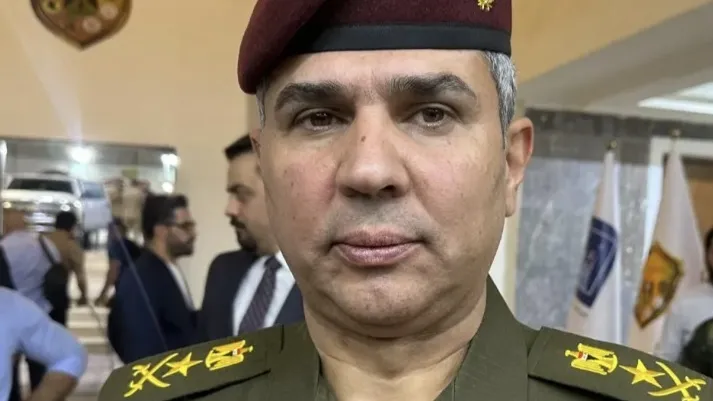
Saad Ma'an, head of the Security Media Cell in the Office of the Commander‑in‑Chief of the Iraqi Armed Forces, said on Saturday that citizens' turnout to register their weapons under the National Weapons Regulation Program has increased.
Ma'an explained in a statement that this progress is the result of coordinated national efforts by the Directorate of Arms Control and Regulation (Weapons Inventory Secretariat) within the Ministry of Interior’s Agency for Police Affairs through 449 offices across Iraq, which continue working to facilitate weapon-registration procedures and strengthen communication with citizens.
He noted that statistics recorded from October 2 through October 9 showed 10,222 applications from citizens, distributed across a number of police commands in Baghdad and the provinces, reflecting a positive social response to the National Weapons Regulation Program.
Ma'an affirmed that this turnout is a positive indicator of growing awareness of the importance of regulating weapon possession within legal frameworks, praising citizens' cooperation and the support of different segments of society for these national measures that contribute to enhancing community security, consolidating stability and upholding the rule of law.
The Iraqi Interior Ministry had announced on January 27, 2024 the launch of the electronic form to register citizens' weapons in all Iraqi provinces except the Kurdistan Region.
On September 17, 2025 the then‑spokesman of the Interior Ministry, Colonel Abbas al‑Bahadli, disclosed that more than 125,000 weapon‑possession forms had been registered across Iraq, confirming that the process contributed to enhancing community security and reducing tribal disputes.