Al-Zaidi orders armed forces' readiness raised to highest levels
In a meeting held on the evening of 13 October 2026, Prime Minister Ali Faleh al-Zaidi directed that the armed forces' combat readiness be raised to the highest levels, ensuring equipment, training and linking the service branches through joint plans.
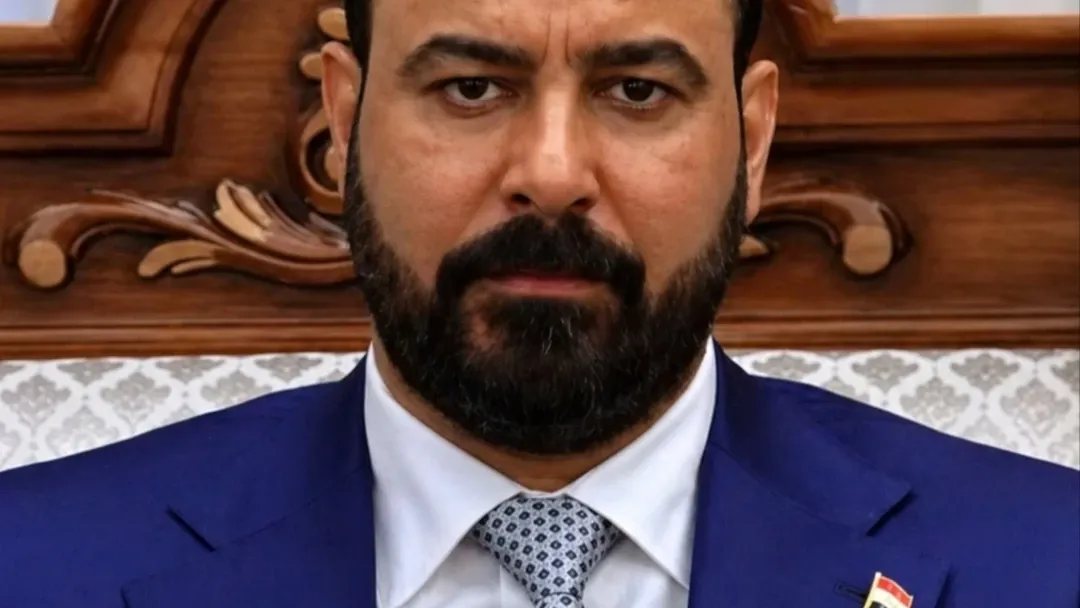
The Prime Minister and Commander-in-Chief of the Armed Forces, Ali Faleh al-Zaidi, on the evening of Tuesday 13 October 2026, directed raising the combat readiness of the Armed Forces to the highest levels, during a meeting dedicated to following up on the capabilities of the service branches and their technical needs.
A statement from the Prime Minister's Media Office said al-Zaidi chaired the meeting attended by his chief of staff, the deputy minister of planning, a number of advisers and commanders of military branches, with the aim of assessing current readiness and identifying shortfalls in equipment and training.
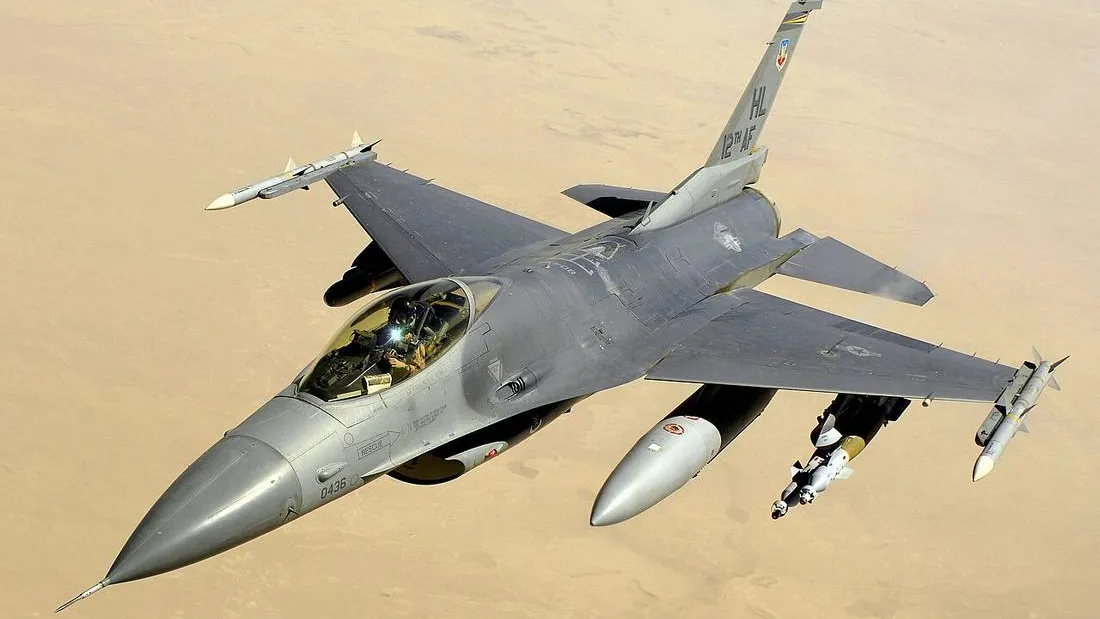
During the meeting participants reviewed the capabilities of the air force, navy, air defense and army aviation, and discussed requirements to bolster these capacities with modern technologies and advanced systems, in light of a view that the balance of power is no longer limited to conventional weaponry alone.
Al-Zaidi affirmed that the components of modern military power rest on air capabilities, unmanned aerial vehicles and air defense systems and technological development, and stressed that these pillars have become essential for protecting the skies, waters and territories.
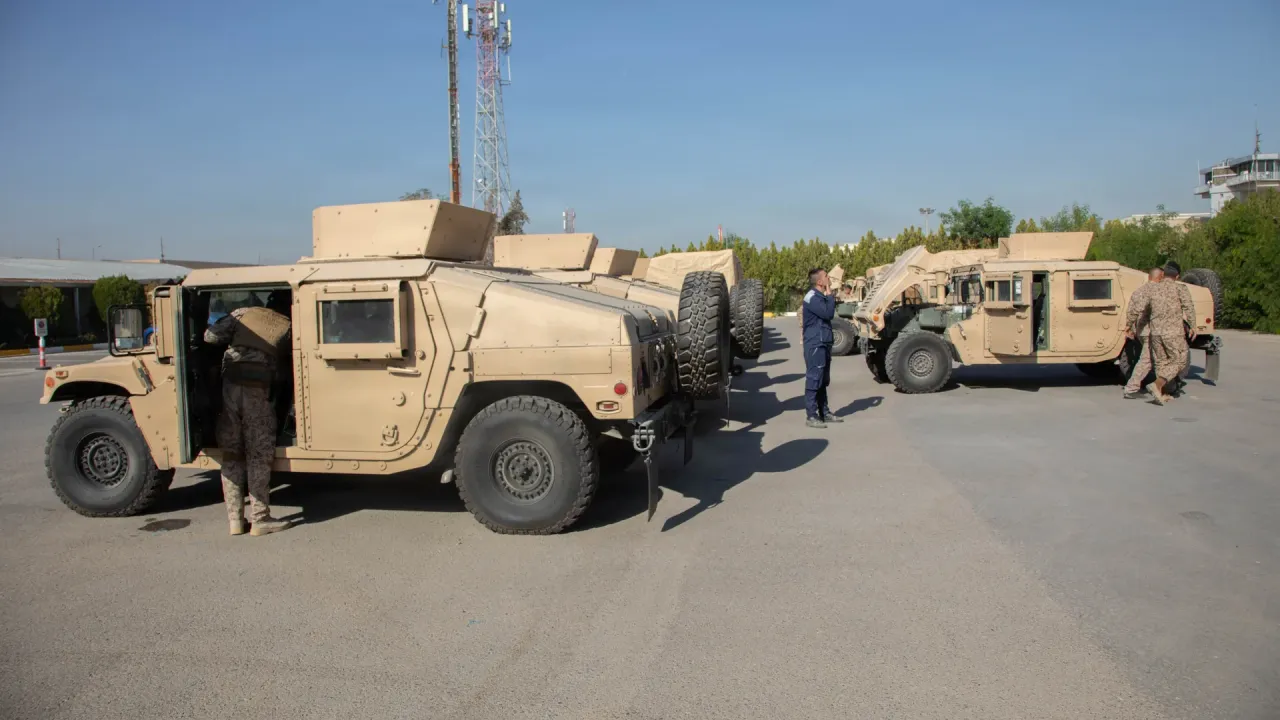
The commander-in-chief ordered raising combat readiness across all branches, while accelerating the provision of equipment, training and maintenance necessary to guarantee faster response to any potential threat to national security.
The prime minister emphasized the government's keenness to provide the requirements needed to develop the Armed Forces' capabilities, calling on the relevant authorities to follow up on implementing the directives at a regular pace and to submit periodic reports on the level of progress.
This directive comes in the context of renewed government attention to the air defense and unmanned aircraft file, after months of regional tensions that affected security calculations in the Gulf and adjacent sea lanes, with Baghdad keen to keep decisions on the use of force under state authority.
The file is also linked to a Gulf tour that al-Zaidi is undertaking, during which security issues top the agenda of his talks in Riyadh and then Kuwait, with these matters among the main focuses of the official visit.
The directives to raise readiness are expected to be translated into executive plans that include updating radar and air defense systems, expanding aerial reconnaissance and drone capabilities, and improving the readiness of naval units and army aviation, with emphasis on integration between branches and joint operations rooms.
Participants stressed linking the branches' readiness to joint training plans and emergency air and sea simulation exercises, and updating operational databases and supply lines, while the next step remains in the hands of the relevant defense ministries and bodies to convert the directives into timelines for procurement, training and maintenance.
Also read: Al-Zaidi opens official Gulf tour with a visit to Saudi Arabia, then heads to Kuwait