Grape and Honey Festival in Duhok: 80,000 Tons of Grapes and 300 Tons of Honey
The 19th Grape and Honey Festival opened in Duhok, featuring about 80 farmers and beekeepers and reporting roughly 80,000 tons of grapes and 300 tons of honey production.
Duhok – Al-Wasat Newspaper
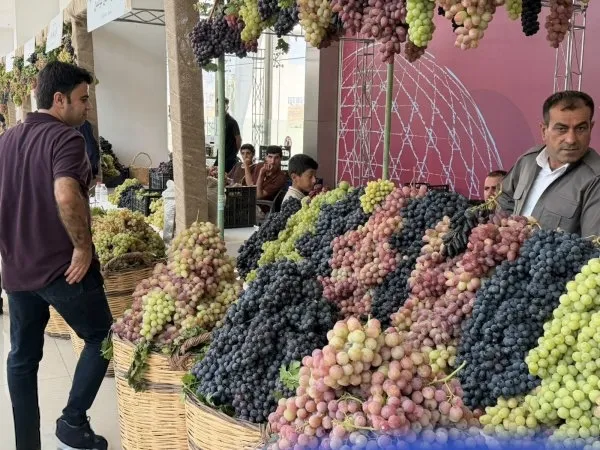
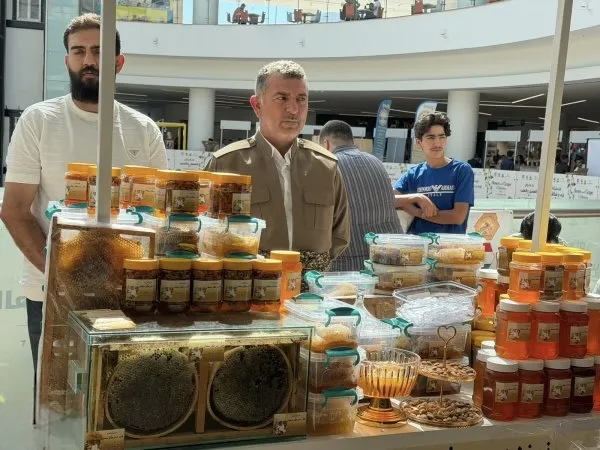
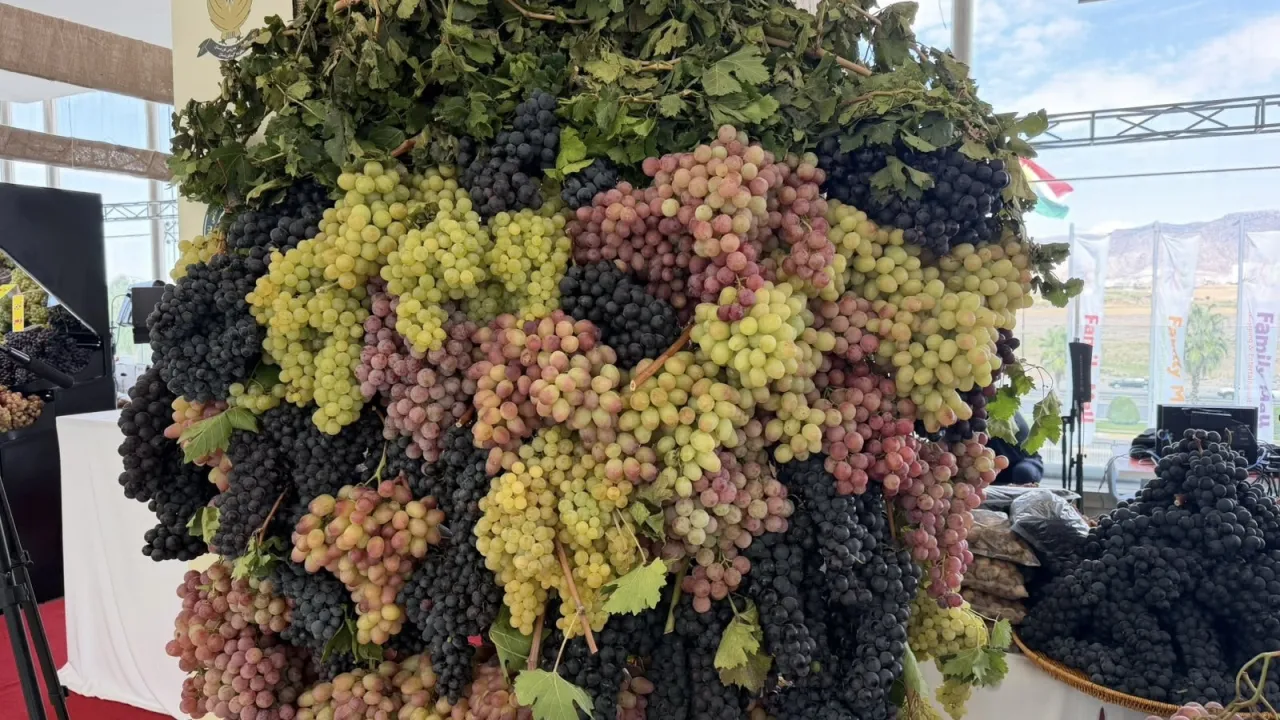
The 19th Grape and Honey Festival opened today, Saturday, in Duhok province, with the participation of about 80 farmers and beekeepers, amid notable production abundance and signs of an agricultural and tourism season. The festival serves as a platform to display local products, exchange expertise, and review the latest developments in agriculture, beekeeping, and the production of honey and grapes.
Local grape varieties headline the festival’s pavilions, including varieties for which Duhok province is known, such as Aswad, Kammali, Taifi, Rashmiri, and Zark. The province features great diversity in grape cultivation, with more than 100 types planted across expansive areas exceeding 39,000 dunums, particularly in the Mankish and Zawita areas, which are among the province’s main grape-producing regions.
Natural honey production in Duhok has seen a noticeable recovery this season, driven by abundant spring rains that provided a favorable environment for bee activity and a diverse plant cover, raising the province’s honey output to about 300 tons compared with roughly 100 tons last season.
Honey production is noted for a variety of flavors, resulting from extraction from the mountain herbs and flowers that characterize Duhok’s areas.
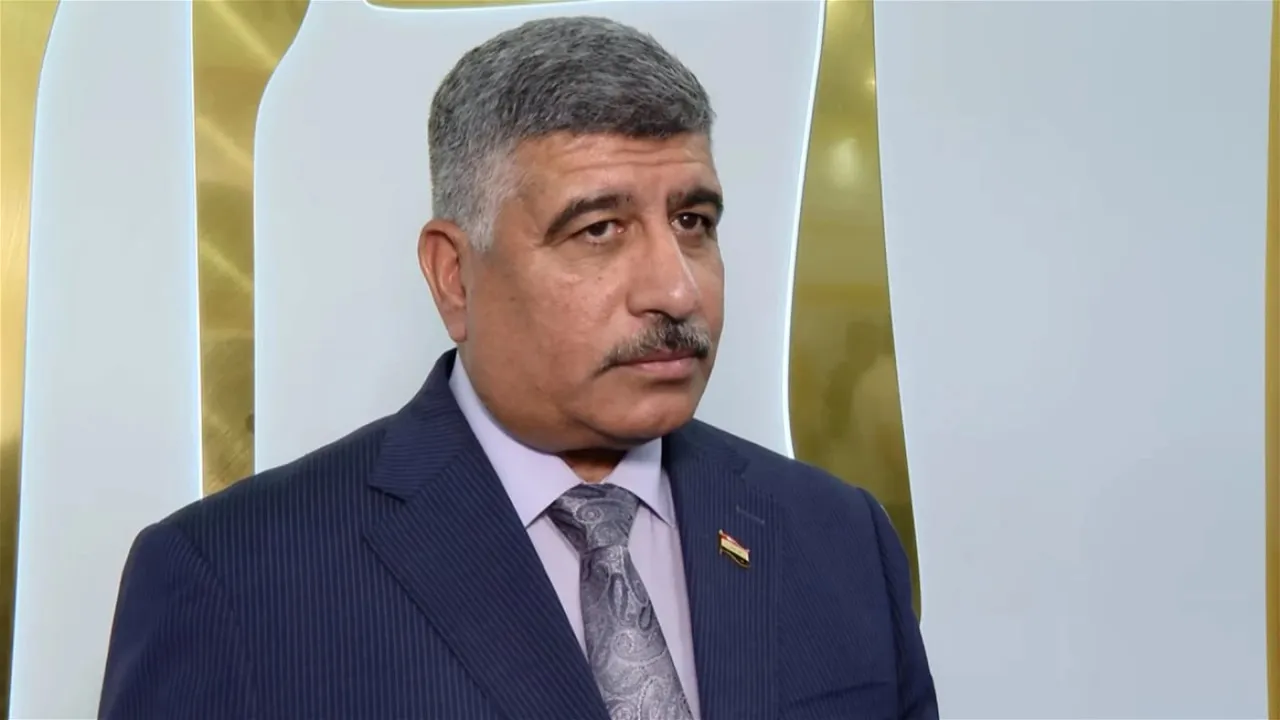
In the grape sector, Horticulture Department Director Dr. Amjad Ubaid confirmed that statistics from the Duhok Directorate of Agriculture indicate a large increase in production compared with last season of about 20,000 tons, bringing total production to nearly 80,000 tons, which strengthens the province’s position in grape and vineyard production in the Kurdistan Region.
The festival is being held amid an ongoing policy banning the import of grapes from abroad during the harvest season, aimed at protecting the local product and providing better marketing opportunities for farmers, which gives the festival economic importance in addition to its agricultural role as a direct venue to display, sell, and market crops to visitors and consumers.
Participants affirmed that the festival represents an opportunity to showcase the quality of local agricultural products and encourage consumers to purchase them, as well as a platform for exchanging experiences among farmers and beekeepers and learning modern methods to develop production and improve its quality.
With increasing production and a diversity of varieties on display, the Grape and Honey Festival in Duhok continues to consolidate its presence as an event that combines agricultural activity with marketing for local products, seeking to open broader prospects for farmers and beekeepers and to strengthen the presence of their products in local markets.