IMF expects Iraq's economy to contract 16% in 2026 then rebound 19% in 2027
The IMF's World Economic Outlook (October 2026) expects Iraq's real GDP to shrink 16% in 2026 then grow 19% in 2027, with rising inflation and a worsening current account deficit.
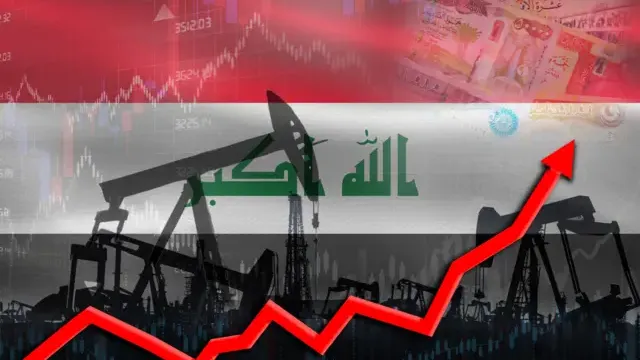
The International Monetary Fund, in its World Economic Outlook report published in October 2026, forecast that Iraq's real gross domestic product would contract by 16% in 2026 before turning to growth of 19% in 2027, noting expectations of higher inflation and a worsening current account deficit during 2026.
According to the table on Middle East and Central Asia economies in the report, Iraq's economy contracted by 0.4% in 2025. The IMF expects the inflation rate to be 3.5% in 2026 versus 0.3% in 2025, and to decline to 3% in 2027.
On the current account, the report estimates that Iraq will record a deficit equal to 10.8% of GDP in 2026, after a deficit of 3.8% in 2025, before the current account turns to a surplus equal to 2.2% of GDP in 2027.
This classification places Iraq among the oil-exporting economies that the IMF expects to undergo a collective contraction of 3.8% in 2026, before that group records combined growth of 7.4% in 2027.
The table also shows expected contractions in real GDP in 2026 for Saudi Arabia of 3.3%, the United Arab Emirates of 3.9%, Qatar of 15.6%, and Kuwait of 16.7%, with all of them projected to return to growth in 2027.
Iraq's figures reflect a sharp reversal between 2026 and 2027, from a large contraction to strong growth according to the IMF, but that does not necessarily imply a parallel improvement in living standards or household finances, since those indicators remain linked to other factors including job opportunities, income, inflation, and fiscal performance.
Real gross domestic product is the total value of goods and services produced by the economy during a year, adjusted for the effect of consumer prices.