Iraq after the US withdrawal: Security responsibilities and new partnerships
Iraq after the US withdrawal: Security responsibilities and new partnerships
Iraq after the US withdrawal: a new phase for security and international cooperation
Al-Wasat (Iraq) – 2 October 2026
Iraq has entered a new phase in its security relationship with the United States after the announced completion of the departure of coalition forces and their equipment from Erbil Air Base on 30 September, and the end of the coalition’s military mission in the country. This development places Iraqi institutions responsible for managing the coming period, alongside a transition to bilateral cooperation with countries that participated in the coalition.
The withdrawal represents a change in the security relationship between Baghdad and Washington, as the US Department of Defense confirmed it will continue to provide limited support in training and intelligence. Thus, the end of the coalition’s mission does not mean an end to military and security cooperation between the two countries.
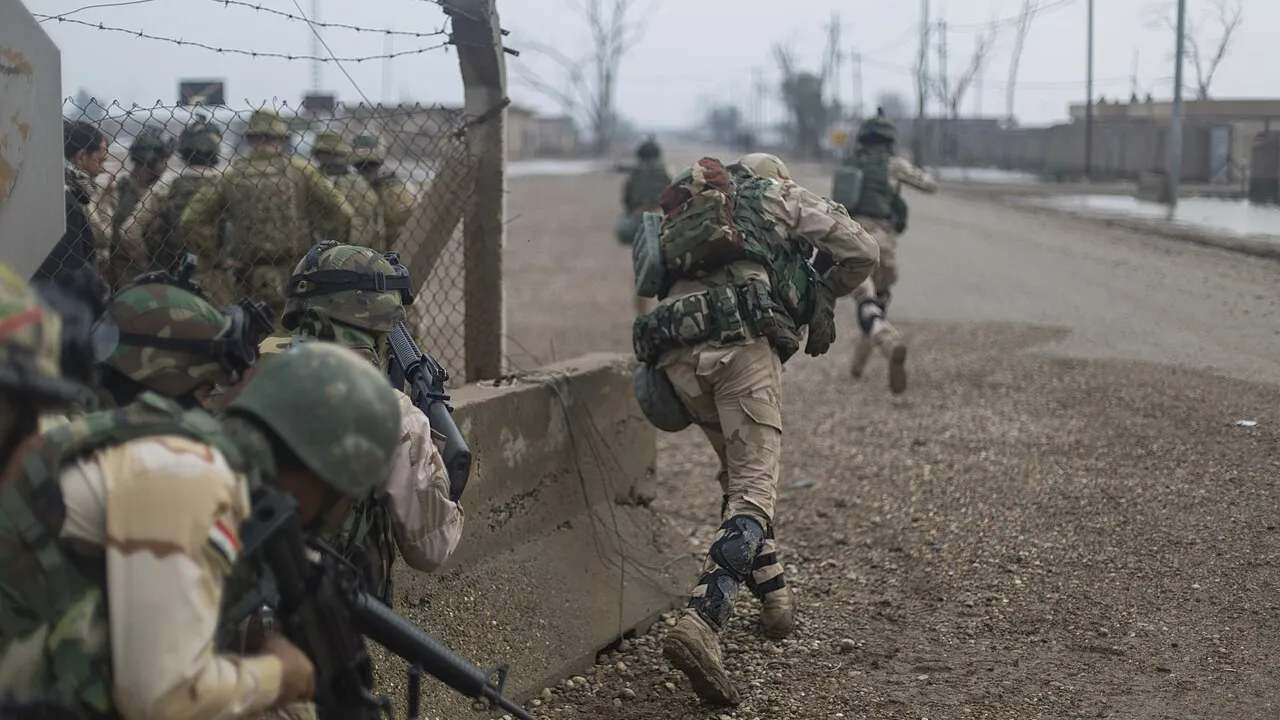
Security priorities remain combating ISIS, protecting borders, and tracking the movements of its cells. According to a U.S. Central Command assessment, the group no longer poses an organized threat to Iraqi national security as it did previously, while Iraqi forces have acquired the capability, leadership and operational independence to manage threats inside the country. This assessment is contingent on the capacities of security institutions and does not mean all risks have disappeared or that intelligence follow-up is no longer needed.
Conversely, officials in the Kurdistan Region have expressed concerns about protection arrangements after the US departure, especially with the withdrawal of air defense systems. Those concerns reflect questions about the requirements of the coming phase and do not, by themselves, constitute evidence of a security deterioration resulting from the withdrawal.
At the government level, Baghdad has announced that the end of the coalition mission opens a phase in which Iraqi forces and institutions assume full responsibility for the country’s security and stability, alongside partnerships in security, military and training fields. Analytically, the success of this transition is linked to continued coordination among agencies, clarity of responsibilities, and maintaining forces’ readiness.
The new phase comes amid regional tensions and disruptions to energy flows and navigation in the Gulf. Therefore, assessing Iraq’s economic and security situation requires separating the effects of the withdrawal from the impacts of the regional environment, and avoiding attributing any market or stability changes to a single factor without supporting data.
Only two days after the withdrawal was completed, it remains premature to judge its field and economic outcomes. A more accurate assessment in the coming period will depend on measurable indicators, including trends in security incidents, the effectiveness of border and airspace protection, continuation of intelligence cooperation, and institutions’ ability to protect citizens and secure economic activity. The military event is now a declared reality, while its practical results will become clearer over time as more information becomes available.