Iraqi National Intelligence Service after 2003: A vigilant eye protecting the country and pursuing terrorism
Iraqi National Intelligence Service after 2003: A vigilant eye protecting the country and pursuing terrorism

Iraqi National Intelligence Service after 2003: A vigilant eye protecting the country and pursuing terrorism
Baghdad – Al-Wasat Iraqi newspaper
Since its establishment in April 2004, the Iraqi National Intelligence Service has taken on the mission of protecting the country’s security by collecting and analyzing information and supporting state institutions in facing threats. With the changes Iraq experienced after 2003, the agency’s role has emerged in proactive intelligence work and in providing the security forces with information that helps track extremist groups and thwart their plots.
The founding of a national agency with a clear mission
The agency was established to be independent from the former, disbanded security bodies, and to operate within a national framework based on protecting Iraq’s security and the interests of its people. Its main tasks, according to what the agency states on its official website, include collecting information, assessing threats directed at national security, advising the government, and providing intelligence support to the armed forces.
Its work extends to multiple areas, including countering extremist movements, combating espionage and organized crime and drug-related offenses, alongside protecting national resources from smuggling and sabotage.
Confronting terrorism through intelligence work
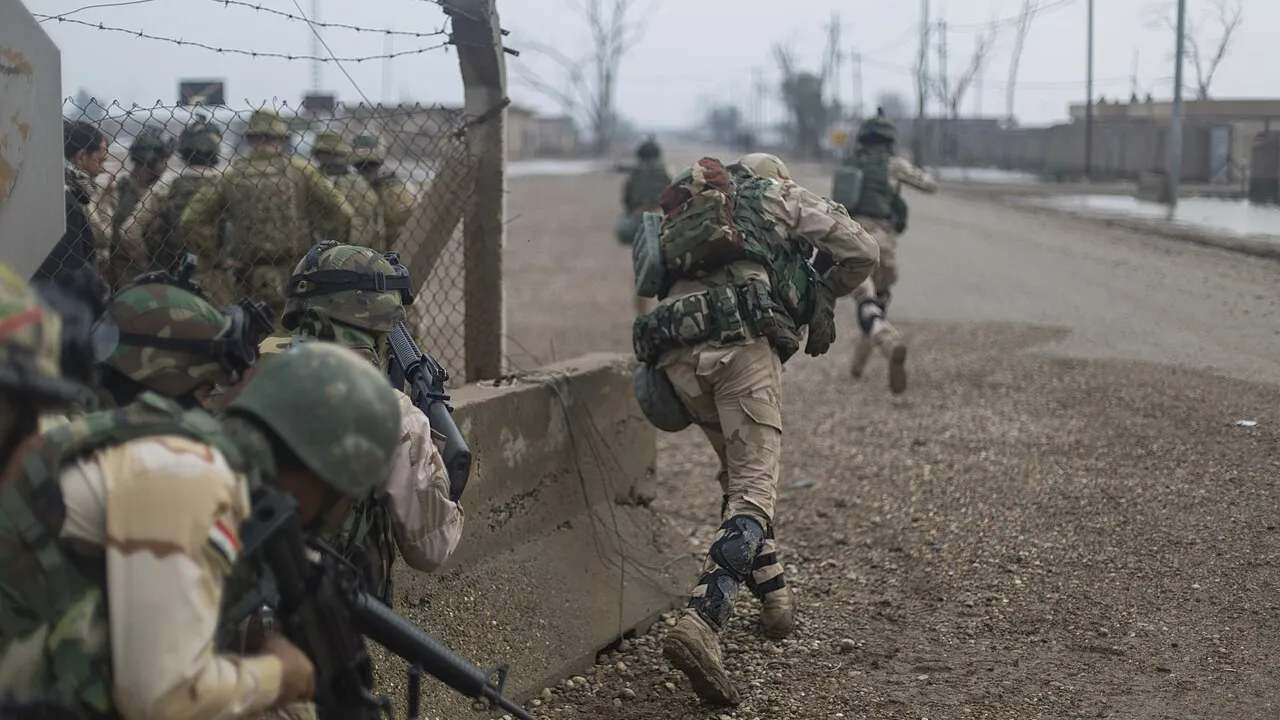
In confronting ISIS, intelligence efforts played an important role in locating cells, monitoring their movements, and providing information that contributed to carrying out joint security operations. The agency’s official records show operations based on extended field and technical monitoring that ended with targeting the group’s hideouts and arresting wanted members and leaders, in cooperation with the security forces and relevant authorities.
Among the examples announced by the agency was an operation in the Anbar desert in August 2024, which followed more than two months of intelligence surveillance and resulted in strikes on the group’s positions and the killing of 14 of its members, including prominent leaders, according to investigation results announced by the agency. It also announced in September 2024 the results of another operation in Anbar, confirming the deaths of several first-tier leaders of the group.
These operations reveal the nature of intelligence work, which relies on patience, precision, and information sharing before field forces move to carry out the mission. Reaching a distant target or dismantling a dangerous network often begins with a piece of information collected quietly, carefully reviewed, and then translated into action that protects citizens’ lives and strengthens the country’s security.
Feats that go beyond pursuing militants
The heroism of agency personnel is not limited to pursuing extremist groups; recovering kidnapped people and returning survivors to their families represents an important humanitarian aspect of their work. The agency announced in 2024 the recovery of two kidnapped Yazidi women after an intelligence and field follow-up that lasted a year, handing them over to their families through official procedures. It also announced the recovery of a Yazidi girl who had been kidnapped by ISIS, in coordination with the Ministry of Foreign Affairs and relevant authorities.
In these tasks, courage is evident in protecting the Iraqi person, pursuing perpetrators, and working to reunite victims with their families, however much that requires precise follow-up and coordination among state institutions.
Protecting society from organized crime and drugs
Intelligence work also extends to files that affect Iraqis’ daily lives, foremost among them drugs and organized crime. Among the operations announced by the agency was dismantling an international drug trafficking network and seizing more than two million narcotic pills that were intended for distribution in Iraqi provinces, with suspects and the seized items referred to the competent authorities.
These efforts confirm that protecting the country is not limited to confronting armed threats, but also includes confronting networks that target youth, society, and the economy, and working with other security and judicial institutions to reduce their dangers.
Courage that operates quietly
The nature of intelligence work differs from tasks that appear before the public; many of its details remain unannounced, and its results are measured by what helps prevent threats and by the information it provides to the security forces. Thus, the courage of the agency’s personnel is linked to discipline, precision, the ability to perform duties in secrecy, and the readiness to bear risks to protect Iraq.
What the agency announces about operations against terrorism, pursuing criminal networks, and rescuing abductees represents a part of a broader effort in which state security institutions work in coordination and integration. The success of this work remains the fruit of cooperation between the competent agencies and the armed forces, and the support of citizens through reporting threats and suspicious information.
An agency present in Iraq’s security equation
More than two decades after its founding, the Iraqi National Intelligence Service continues to perform its role in gathering information, assessing risks, and supporting security decision-making. Announced operations have shown that precise intelligence work can reach extremist leaders, dismantle networks, protect lives, and return abductees to their families.
As Iraq continues building its institutions and strengthening its stability, the agency’s personnel remain part of a national apparatus working to protect the country’s security. These are feats whose full details may not be told, but they are read in their results: a threat thwarted, a citizen protected, a family reunited with one of its members, and a country that continues on its course steadily.