Mujtaba Khamenei Orders Strengthened Readiness and Update of Target Bank, Emphasizes Popular Deterrence
Supreme Leader Mujtaba Khamenei ordered strengthening military intelligence and defense capabilities and updating the target bank to include U.S. and Israeli assets, stressing the role of popular support in deterrence.
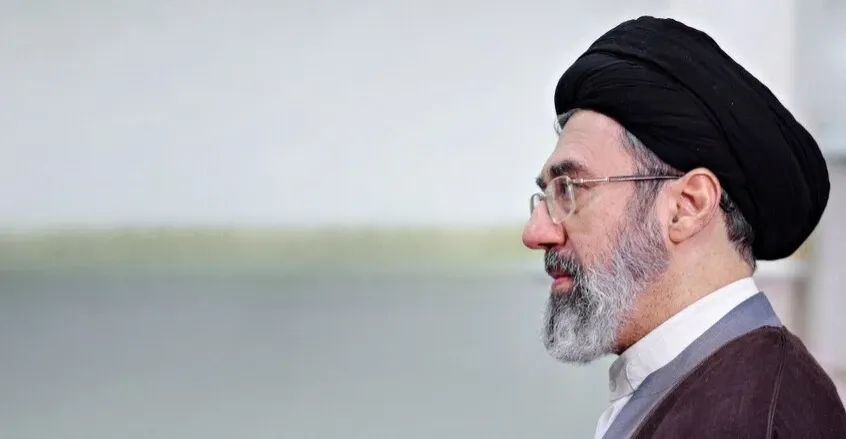
On Saturday, Iran's Supreme Leader Mujtaba Khamenei directed the armed forces to confront any level of threat, saying that combat readiness represents one of the requirements for achieving deterrence, according to a statement issued after a meeting between him and senior commanders of the military establishment.
Khamenei said in the statement that the armed forces and the Iranian people are the ones who will determine the timing of ending any military or terrorist attacks if the "enemies" resume them, calling for strengthening the military intelligence infrastructure and developing an independent national defense at both the ideological and tactical levels.
The Leader demanded updating defensive and security capabilities and relying on modern technologies, in addition to boosting morale and readiness and securing the living needs of military personnel.
He also ordered the update of the "target bank" so that various material and immaterial assets of the United States and Israel can be included among the lists of potential targets for the armed forces, according to the statement.
Khamenei stressed that popular support for the armed forces constitutes a pillar of deterrence in confronting hostile foreign powers, noting that the continued popular presence over eight months is an extension of what he called the "Sacred Defense" that lasted eight years.
The Leader praised the resilience of what he described as the "Resistance Front" in several countries, and said that what he called the "unity of arenas" constitutes a strategic variable influencing the shaping of the new political and security order in West Asia.
For his part, the Chief of the General Staff of the Armed Forces, Major General Abdollahi, the Army Commander-in-Chief, Major General Hatami, and the Commander-in-Chief of the Revolutionary Guards, Major General Vahidi, presented reports on the level of readiness and military preparedness on the Gulf coasts and in the areas of operations of the Strait of Hormuz and the Sea of Oman, as well as on Iran's northwestern and southeastern borders.
The reports, according to the statement, said that production of various types of munitions and weapons intended for reconnaissance, support and combat operations has increased.
In a related development, Saudi media reported the formation of Iranian committees to discuss U.S. proposals on the nuclear file, after what those outlets described as a "positive message" from U.S. Vice President J.D. Vance, with references to a positive negotiating atmosphere and expectations of progress in the coming period.