Messages to Baghdad: Israel Monitors Iraqi Factions and Fears Attacks
Messages to Baghdad. Israel is monitoring Iraqi factions and fears attacks
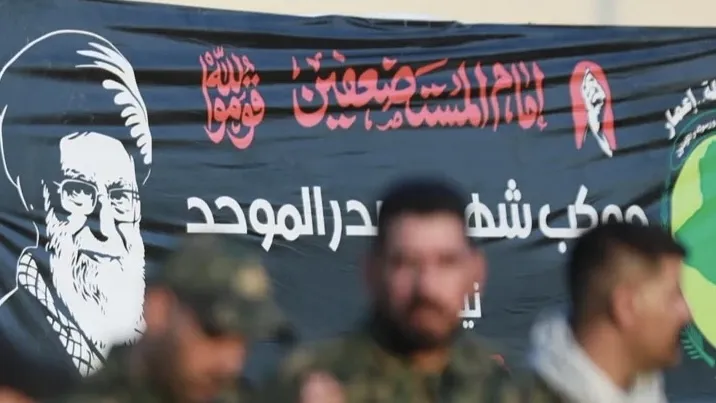
The Israeli newspaper The Jerusalem Post reported that Israeli defense officials are closely monitoring the Iraqi government's efforts to disarm pro-Iran factions, amid concerns that these factions may resort to launching attacks after the deadline set at the end of September.
This comes as Iraqi Prime Minister Ali al-Zaydi pledged to disarm armed factions in Iraq by June 2027, stating that the factions have 90 days and will be declared outside the law thereafter.
According to the Israeli newspaper's report, the factions have so far rejected the request, but have conveyed messages indicating they are prepared to discuss the arms issue only after the complete withdrawal of U.S. forces from Iraq.
Following that, the report warned that Iraqi factions have received increasing attention from Israeli intelligence agencies in recent weeks, noting that some of their weapons depots are located near the Iraqi border.
The report said that Iraqi factions have aligned in recent years with Iranian policies and the Houthis' policies, and messages were sent to Baghdad stating that "an Israeli response could escalate if the factions are not restrained."
But the challenge for Israeli intelligence, which has established presences across Iraq to monitor Iranian activity, is the country's vast geographic area and the difficulties posed by long distances in locating the factions' centers of activity and main weapons depots, according to The Jerusalem Post.
According to the Hebrew-language report, the United States has played a central role in mediating and conveying messages to the Iraqi government about the need to rein in Iran-backed factions; Washington has also called for their disarmament, warning that it could respond militarily if they do not comply.
The Jerusalem Post cited Israeli and American defense officials expressing concerns that after the deadline the factions may seek to demonstrate their strength by attacking U.S. bases in the Middle East or Israel's home front, with support from Iran.
The report concluded that the Iranian Revolutionary Guard Corps is seeking to maintain its strategic alliance with the Iraqi factions, alongside the Houthis and Hezbollah, considering that these groups give Tehran room to maneuver amid intense U.S. pressure over the Strait of Hormuz and the Iranian economy.