Middle East oil exports exceed pre-war levels in late September despite attacks on Strait of Hormuz
Preliminary data show crude exports rose above pre-war levels, amid continued attacks on tankers and higher LNG shipments.
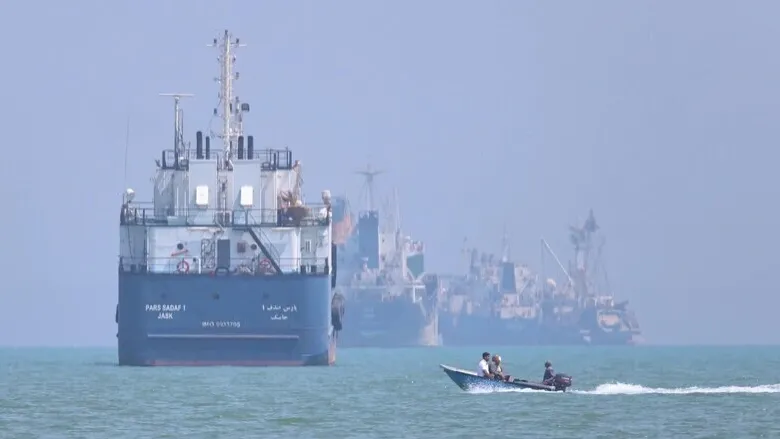
Shipping data on Monday showed crude oil exports from the Middle East exceeded pre-war levels during the final week of last September, despite ongoing attacks on ships transiting the Strait of Hormuz.
According to preliminary data from vessel-tracking firm Kpler, crude exports ranged between 19.5 million and 22.5 million barrels per day on 24 September, and between 27 and 29 of it, compared with an average of 18 million barrels per day during the period from March 2025 to last February, before the outbreak of the US-Israeli war on Iran.
The seven-day average of crude exports was 18.5 million barrels per day on 1 October, while the average shipments of crude, oil products, chemicals and non-gaseous liquids stood at 22.4 million barrels per day in the seven days ending 30 September.
The number of liquefied natural gas (LNG) shipments departing through the Strait of Hormuz in September also rose to the highest monthly level since February.
These data do not include vessels that may have transited the strait with their automatic identification systems disabled to avoid detection.
Before the outbreak of the war on 28 February, the strait handled about 125 large commercial vessels a day, carrying roughly 20% of the world's daily crude oil and liquefied natural gas supplies.
In contrast, shipping intelligence firm Marisec said attacks on tankers in and around the Strait of Hormuz have continued, with at least seven incidents recorded.
It said the giant oil tanker "Kazma 3" was struck by an unidentified projectile on 1 October, causing a fire on board, and reported that crew members were not injured and were later evacuated.
The firm warned that commercial vessels now face an increasing and unpredictable threat, suggesting the danger may be linked to ships being inside specific engagement areas where missiles could track available radar signatures, rather than to the deliberate targeting of particular vessels.