Sari from Bangkok: Iraq 2050 vision to reduce oil dependence
Finance Minister Falih Sari says from Bangkok that the Iraq 2050 vision reduces dependence on oil and empowers the private sector, with reforms over two years and cooperation with the IMF to contain the Strait of Hormuz impact.
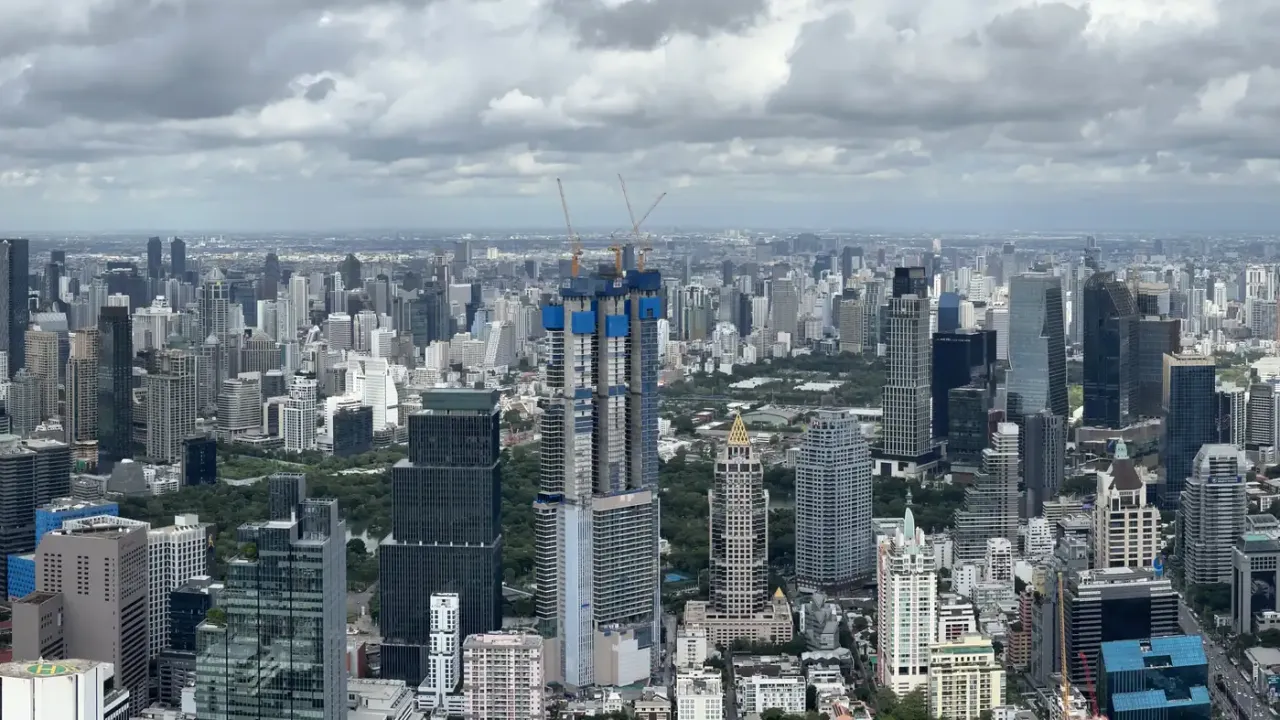
Finance Minister Falih Sari announced on Wednesday, 14 October 2026, from Bangkok that the "Iraq 2050" vision focuses on reducing the economy’s and the budget’s reliance on oil, empowering the private sector, and building stronger institutions to foster inclusive and sustainable growth, during his participation in the annual meetings of the International Monetary Fund and the World Bank Group.
Sari said in a series of meetings held on the sidelines of the gatherings that he is confident financial reforms can be completed within the next two years, stressing that partnership with the IMF will play a role in supporting the reform path and enhancing its chances of success.
The meetings included the IMF Executive Director for Iraq and the region, Mohamed Maait, and the incoming Executive Director, Ali Al-Husni, with the acting governor of the Central Bank, Nizar Nasser Hussein, in attendance, where discussions were held on economic and financial conditions, reform priorities, and ways to expand joint cooperation.
The minister also met the IMF’s regional director for the technical support department, Ali Abbas, to discuss areas of technical cooperation and the prospects for drawing on the fund’s expertise in developing fiscal and economic policies.
Sari addressed current challenges, pointing to the repercussions of the Strait of Hormuz crisis and its effects on the Iraqi economy, and said the government is preparing immediate measures and long-term solutions to contain its impact, alongside measures to support the private sector and relieve pressure on it to strengthen its role in the market economy and expand investment opportunities.
The focus on economic diversification and strengthening the private sector comes as part of an effort to build a broader production base that reduces the budget’s exposure to energy market volatility, while keeping cooperation with international financial institutions as a supporting tool rather than a substitute for national decision-making.
IMF officials, according to a statement from the Ministry of Finance, praised the government’s efforts in adopting an economic and financial reform path, affirming the institution’s keenness to continue support and deploy its expertise to bolster these efforts.
The next step remains translating the commitments announced in Bangkok into clear timelines for fiscal reform and private sector empowerment, while monitoring the Strait of Hormuz’s impact on revenues and prices through immediate and future packages to be announced by the government.
Read also: Gas prices in Europe fell on Wednesday amid shortages of liquefied Gulf supplies.