Tehran Friday prayer leader calls for review of nuclear doctrine and Trump demands guarantees
Tehran's interim Friday prayer leader Mohammad Javad Hajj Ali Akbari describes reviewing the nuclear doctrine as a national demand, while Trump says the war will end soon provided there are guarantees that Iran will not possess a nuclear weapon.
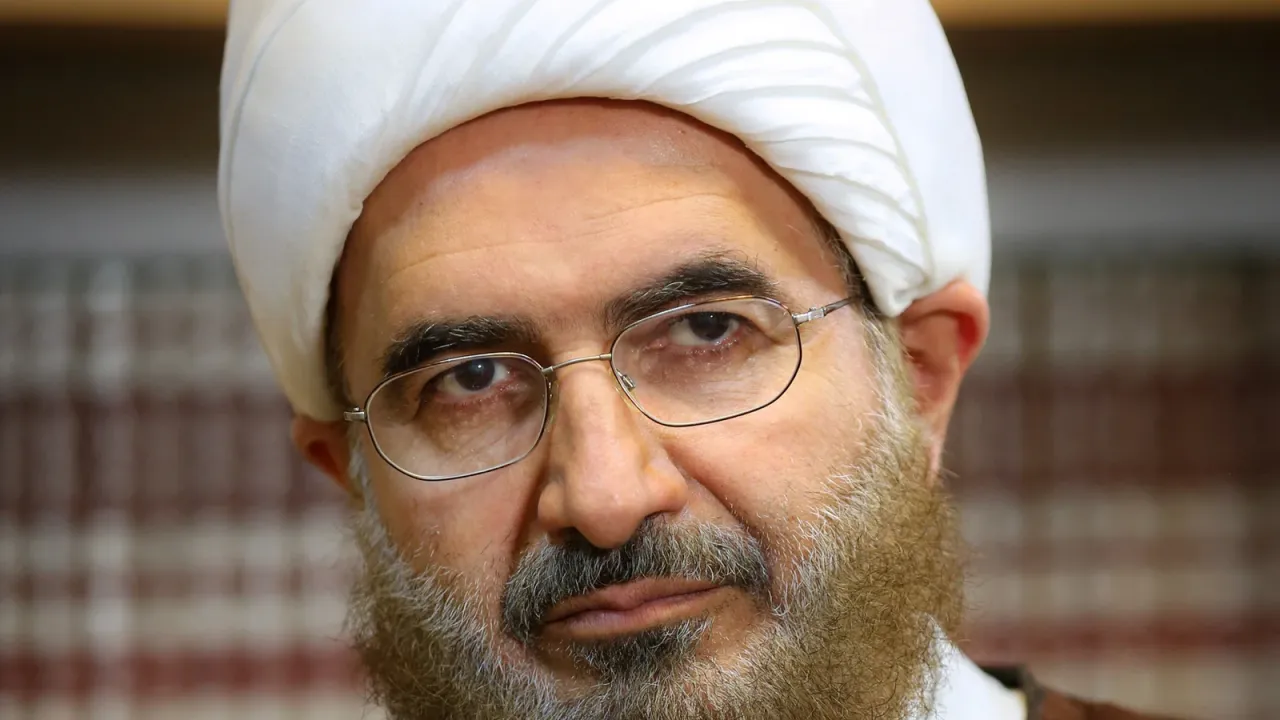
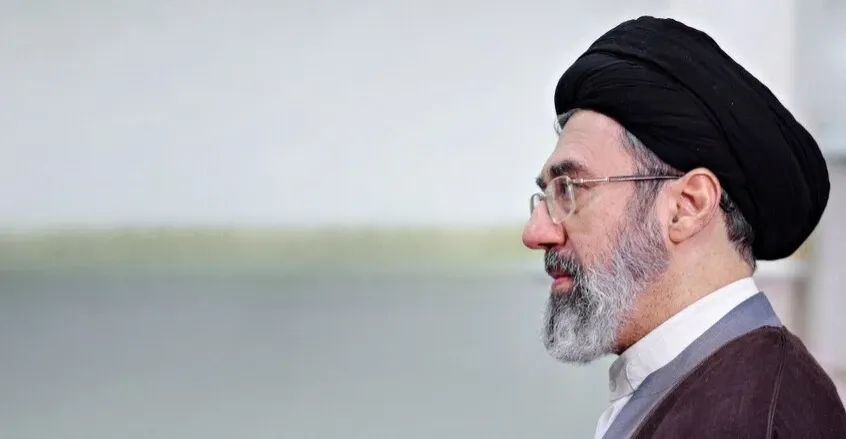
Tehran's interim Friday prayer leader, Mohammad Javad Hajj Ali Akbari, on Friday, 30 October 2026, called for a review of Iran's nuclear doctrine, describing the proposal as a "national demand," while U.S. President Donald Trump said the war with Iran will end soon provided guarantees are obtained that it will not possess a nuclear weapon.
Review of the nuclear doctrine is a national demand
In the Friday sermon held at Tehran University, Hajj Ali Akbari said that calling for a review of the nuclear doctrine is not a hasty or emotional reaction but the result of "maturity and national awareness," noting that Iran's adversaries had crossed its red lines and had assassinated the former Leader Ali Khamenei and had not honored their commitments and agreements.
He added that more than 70 percent of participants in previous surveys supported reviewing this doctrine, without specifying who conducted them, calling on academics, experts and relevant institutions to study the issue and prepare proposals to be submitted to Leader Mujtaba Khamenei, stressing that the final decision rests with him.
Warning about Washington's messages and intermediaries
The Friday preacher warned that the sending of messages and intermediaries by the United States should not lead Iran to lower its guard, considering that American talk of negotiations may carry a greater danger than their threats of war, and he stressed the necessity of implementing the seven conditions Tehran set to de-escalate and to reopen the Strait of Hormuz.
Trump conditions end of war on nuclear guarantees
In contrast, Trump said in a radio interview on Friday that the war with Iran "will end very soon," and that gasoline prices will fall afterward, insisting that Iran cannot possess a nuclear weapon and that Washington wants guarantees that it will never obtain one.
He added, sarcastically, that if Iran had a nuclear weapon it would force him to address its leaders as "sir," something he said he would not do.