Washington warns of attacks in Iraq and says Iraqi government cannot guarantee Americans' safety
The U.S. State Department updated its travel advisory for Iraq and kept it at Level 4 "Do Not Travel," warning of IEDs, indirect fire and drone attacks in major cities, and saying the Iraqi government "cannot guarantee the safety of U.S. citizens."
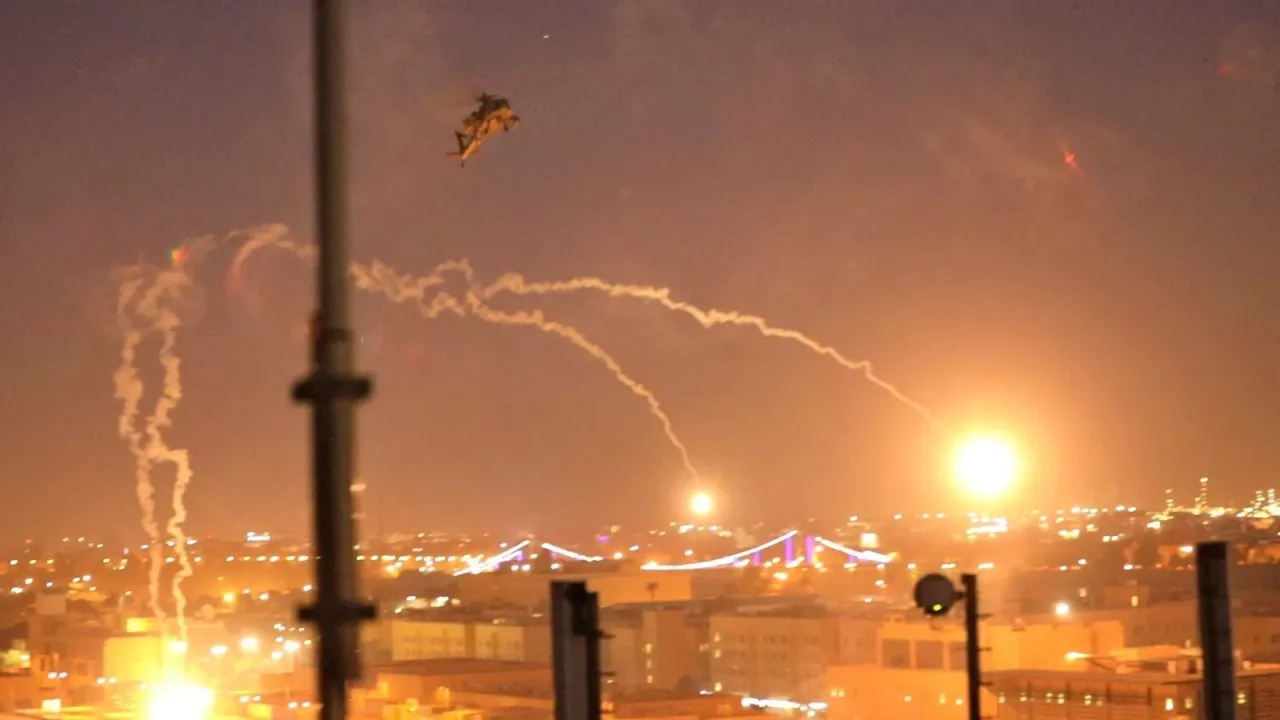
The U.S. State Department updated its travel advisory for Iraq on Friday, October 23, and kept it at Level 4—the highest—"Do Not Travel," urging U.S. citizens not to travel to Iraq "for any reason" and saying the Iraqi government "cannot guarantee the safety of U.S. citizens" in the face of sudden outbreaks of violence and armed conflict. The U.S. Embassy in Baghdad reposted the advisory on Saturday, October 24.
What's new in the advisory
The department said it did not change the alert level or the risk indicators, but updated the summary to reflect what it described as an increased likelihood of armed attacks by Iran-backed Houthi forces. The advisory noted that the Houthis have conducted hostile actions against Saudi Arabia, including attacks on civilian airports and critical infrastructure that have caused civilian casualties and severe travel disruptions, warning that those actions "may rapidly escalate beyond that area."
Baghdad cannot guarantee Americans' safety
The advisory reiterated that the Iraqi government cannot guarantee the safety of U.S. citizens from sudden outbreaks of violence and armed conflict, a phrase that also appeared in a previous update issued on August 29. It added that the U.S. government itself has "limited ability" to provide emergency services to its citizens in Iraq because of security risks.
IEDs, indirect fire and drones
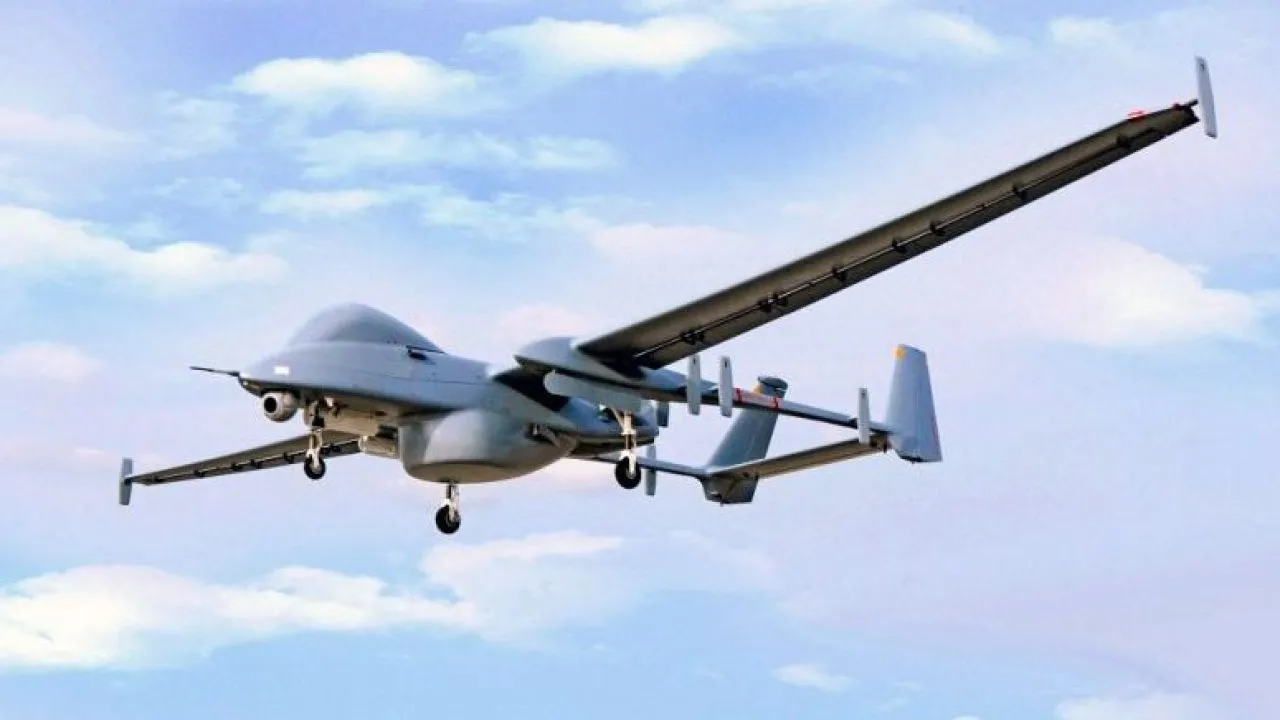
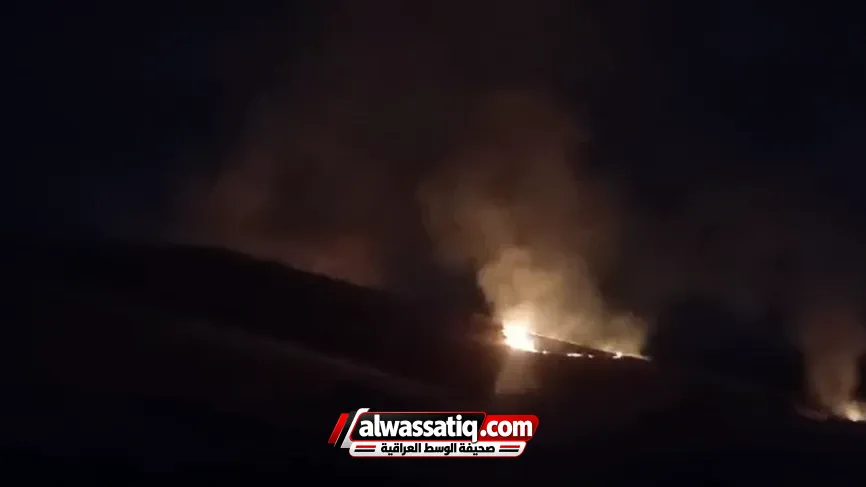
According to the advisory, attacks using improvised explosive devices (IEDs), indirect fire and drones occur in many parts of Iraq, including major cities, and have recently targeted hotels, universities, energy facilities and airports, as well as sites perceived to be linked to the United States, including diplomatic facilities. The department described the kidnapping risk as high, and accused ISIS and armed factions that say they are allied with Iran of inciting and carrying out attacks against Americans and U.S. interests in Iraq.
Restrictions on U.S. diplomats
The advisory noted that U.S. government employees working in Iraq live and work under strict security protocols and require special permission to travel there, and that "additional adjustments" to staffing levels may be imposed depending on security developments. It also noted that the U.S. Federal Aviation Administration (FAA) prohibits U.S. airlines from flying in Iraqi airspace below 32,000 feet.
What Washington asks of its citizens
The State Department urged U.S. citizens in Iraq to prepare a plan to leave the country in an emergency "that does not rely on the U.S. government," to enroll in the Smart Traveler Enrollment Program (STEP) to receive alerts, to have a personal security plan, and even to write a will and leave DNA samples with their physicians in case they are needed for identification.
The U.S. Embassy in Baghdad had issued a security alert on October 18 in which it called on Americans in the Middle East to raise their level of vigilance and be prepared for flight cancellations and airspace closures, to avoid demonstrations and large gatherings, to be cautious at sites publicly associated with the United States, and to maintain a "low profile," while confirming that the embassy remains open to provide routine consular services.
A note on timing
The update comes amid an escalation of cross-border attacks on airports and energy facilities in Saudi Arabia during October, and indicates that Washington views Iraq as a theater vulnerable to spillover from the regional confrontation. The emphasis on the authorities' inability to guarantee Americans' safety brings the issue of protecting diplomatic missions and foreign interests back onto the agenda for the Iraqi government.