A new map of energy and trade: Will Iraq become the Gulf’s gateway to the Mediterranean?
A new map of energy and trade: Will Iraq become the Gulf’s gateway to the Mediterranean?
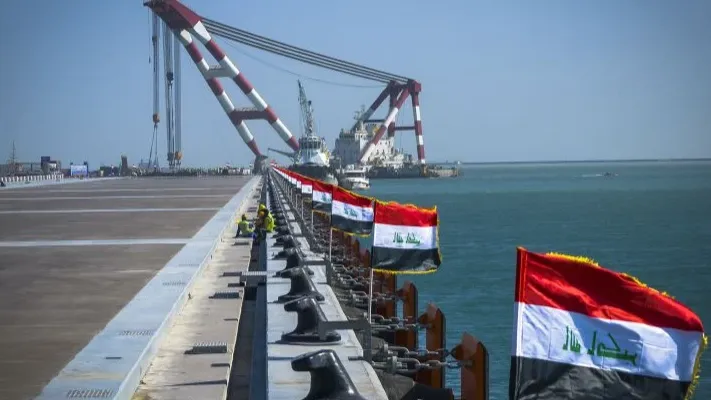
The British institute "Chatham House" affirmed the efforts of Iraq, Syria and Lebanon to exploit their geographic location between Europe and the Gulf to enhance their connectivity through networks of oil and gas pipelines, overland roads and railways, and digital corridors, noting that these countries were core pillars of the Iran-led regional order but that their three governments are now seeking to achieve a greater degree of sovereignty.
Chatham House said, in a report a translated copy of which the Iraqi Al-Wasat newspaper reviewed, that the Strait of Hormuz crisis is helping to accelerate a broad reshaping of the region as Iraq, Syria and Lebanon plan to create new oil pipelines and transport corridors, but that their ability to seize this opportunity ultimately depends on implementing broader reforms.
The report noted that the war on Iran, and the disruption it caused to navigation through the Strait of Hormuz, exposed the fragility of existing trade and energy routes and shook the old balance of power in the Middle East, explaining that the three countries—Iraq, Syria and Lebanon—are attempting this under extremely difficult conditions, facing foreign occupations and military operations, in addition to suffering from widespread corruption and fragmented political systems that give armed groups wide influence.
Therefore, it argues, the three countries’ ability to seize this opportunity to deepen their connectivity and achieve broader sovereignty will not depend only on the infrastructure they build but also on their capacity to reform state institutions so they can manage that infrastructure effectively.
It pointed out that Iraq has been heavily affected by disruptions in the Strait of Hormuz, explaining that Syria and Lebanon are less affected because they are not major oil exporters and have outlets on the Mediterranean, and that the crisis has raised the prospect of a broader reshaping of the region’s trade and energy routes as countries like Iraq seek new alternatives.
The report continued, saying that Beirut and Damascus have an opportunity to cement the status of their ports and transport networks as vital gateways linking the Gulf to European markets within a regional trade system being reshaped.
Iraq–Syria pipeline
It noted that Iraq is working on multiple routes to diversify its export channels: Baghdad is trying to increase shipments via Turkey’s Mediterranean port of Ceyhan, is exploring reviving a long-stalled project to lay a pipeline to Jordan’s Red Sea port of Aqaba, and Iraq and Syria are developing a new pipeline to carry Iraqi oil west to the Mediterranean—providing Baghdad another alternative that would reduce its heavy reliance on exporting oil through the Strait of Hormuz. The report added that the Trump administration supports this plan as part of a strategy to curb Iran’s regional influence by diversifying export routes away from the Strait of Hormuz.
According to the report, the new network—proposed with an initial capacity of around two million barrels per day—would allow Iraq to divert a large portion of its exports away from the Strait of Hormuz, limiting Iran’s leverage. It noted the project would diversify routes but would not be a full substitute for the Strait of Hormuz, since most of Iraq’s oil exports to Asian markets—especially China and India—pass through the Strait, and those markets are quicker to reach from the Gulf than via the Mediterranean.
Additionally, the report said Lebanon and Syria are also exploring rehabilitating rail lines that could ultimately link the Lebanese coast through Syrian territory to Iraq, Turkey and the Gulf.
It added that the line could connect Lebanon’s port of Tripoli with the Syrian city of Homs, a move that could mark a potential restart of Syria’s role as a transit state and turn Tripoli into a possible Mediterranean gateway. It emphasized that regional connectivity also aims to include the digital realm, with new fiber-optic networks traversing Iraq and Syria intended to provide overland alternative routes for Gulf states to carry huge volumes of data that currently travel via vulnerable submarine cables.
The report indicated there is a large gap between ambition and reality, explaining that Iraq, Syria and Lebanon are advancing these infrastructure projects amid a war they do not control and while facing occupations or external interventions.
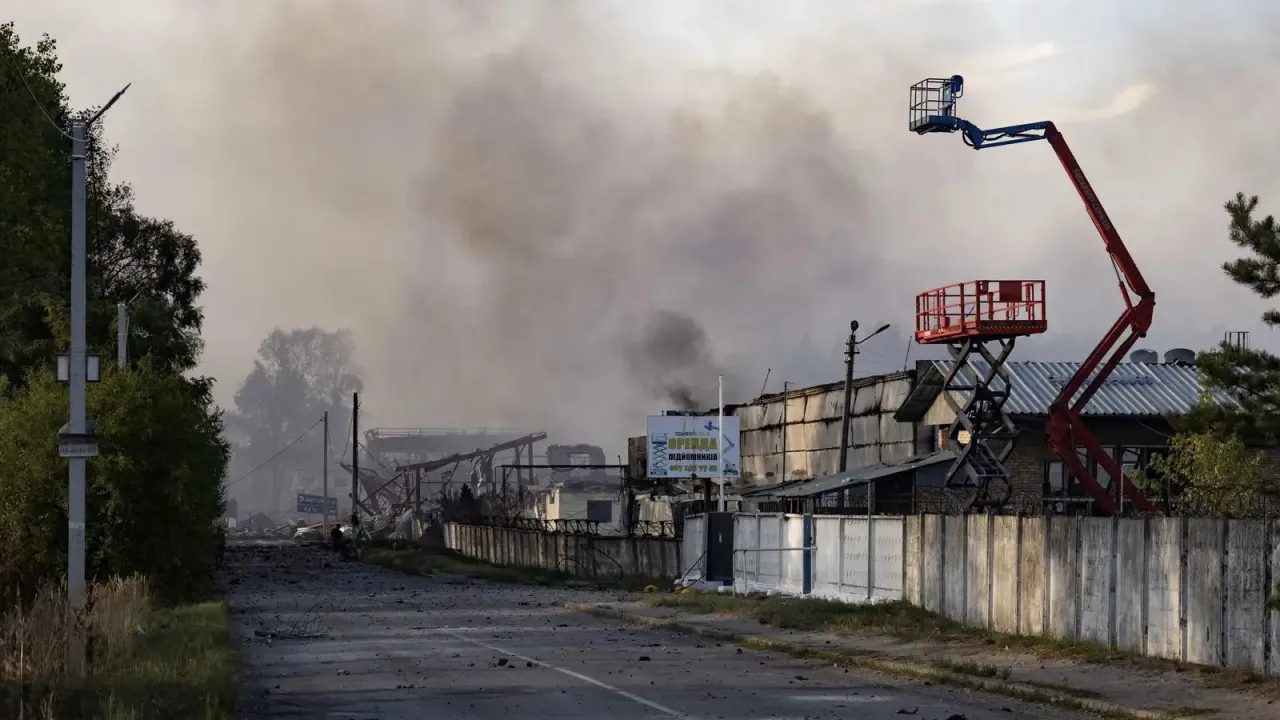
According to the report, alongside the Israeli occupation in southern Lebanon and Israel’s seizure of a buffer zone in southern Syria, energy infrastructure across the Middle East has become a primary target of attacks: more than 100 attacks on energy installations were recorded during the first six months of the war, while Iran attacked energy facilities in the Gulf region and Israel targeted fuel storage depots and gas infrastructure inside Iranian territory.
It also noted that Iran backs armed groups in Iraq and Lebanon capable of threatening critical infrastructure, as occurred, for example, against Iraq’s Khor Mor gas field and the temporary shutdown of Saudi Arabia’s East–West oil pipeline—which was designed to reduce Riyadh’s dependence on the Strait of Hormuz—while the Houthis have mounted attacks on Saudi oil tankers and seized the coastline overlooking the Bab al-Mandeb Strait.
The report explained that the threat to infrastructure is not limited to armed groups allied with Iran, also noting that Israel has repeatedly targeted transport infrastructure during the current conflict, including in Lebanon, which demonstrates how the conflict can disrupt the desired interconnectivity.
It said that pervasive corruption represents another obstacle, noting that Iraq, Lebanon and Syria rank at the bottom of Transparency International’s Corruption Perceptions Index.
The report added that this is also linked to the fragmentation afflicting these states, observing that authority in Iraq, Syria and Lebanon remains divided among political factions, competing institutions and influential armed actors, leaving governments unable to secure and finance projects amid multiple parties that can obstruct completion or extract rents—creating a large gap between the level of ambition and the capacity to achieve it on the ground.
Connectivity does not guarantee sovereignty
The report continued, saying the war has increased the strategic value of the geographic positions of Iraq, Syria and Lebanon, explaining that as states and companies look for alternatives to the Strait of Hormuz, these three countries offer potential alternative corridors linking the Gulf to the Mediterranean and Europe. But their ability to exploit this opportunity will determine whether they can shape the post-war regional order or whether that order will be fashioned without their consent or active participation.
It concluded by saying, "Connectivity does not equal sovereignty," noting that pipelines, railways and new trade corridors can give these countries alternatives to the dependency relations that characterized the old order, but that they alone are insufficient to achieve sovereignty; capable institutions are required to complete and protect such projects.
The report closed saying: "If Iraq, Syria and Lebanon want to seize the opportunities offered by the changing regional order, they must do more than simply build new cross‑border routes," explaining that "they should build states capable of managing these new links and ensure their benefits reach the broader population, not just the elites."