Study Links Late-Night Snacking to Increased Risk of Fatty Liver and Liver Fibrosis
A study of about 200,000 adults in the United States found an association between snacking after dinner and a 20-30% higher likelihood of developing fatty liver disease and liver fibrosis.
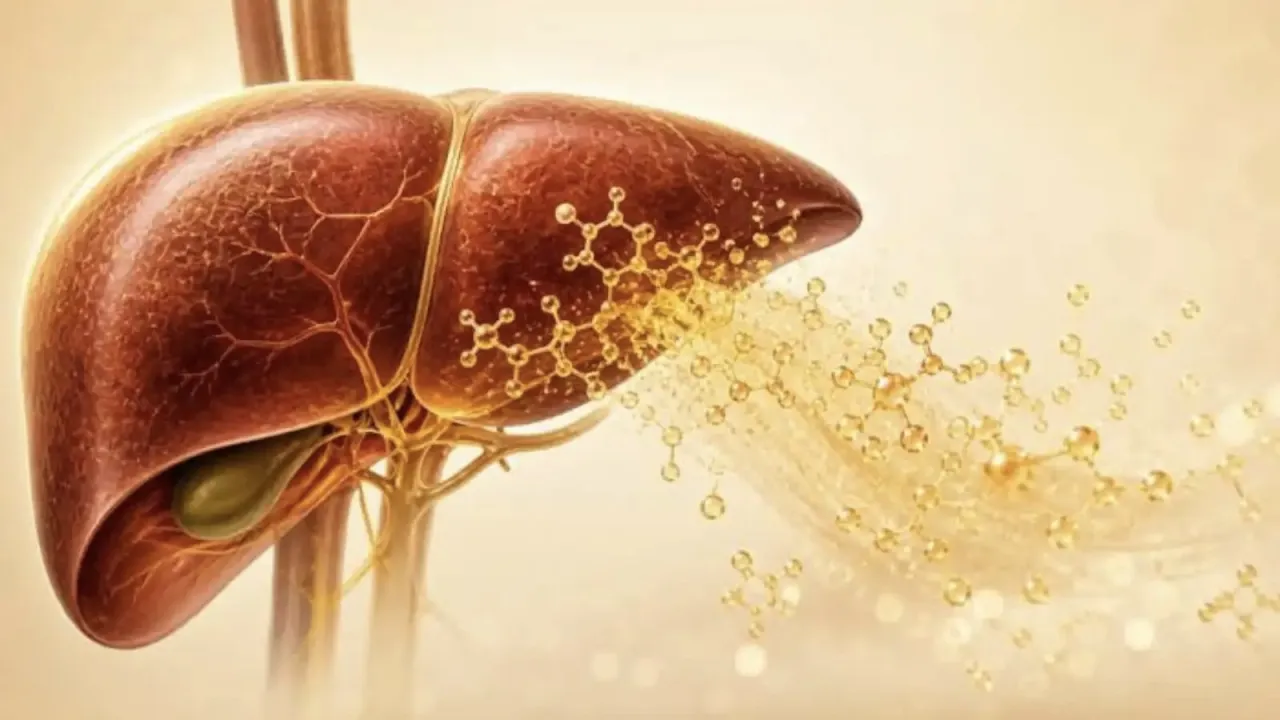
A recent study involving about 200,000 adults in the United States revealed an association between eating snacks after dinner and a 20-30% increase in the likelihood of developing fatty liver disease and liver fibrosis.
Researchers suggest this effect may be linked to the body's biological clock, since eating during nighttime hours can affect metabolic efficiency and liver function.
Previous studies have also pointed to a link between consuming sugary soft drinks and ultra-processed foods and an increased risk of liver disease.
The researchers stressed the need for further studies to understand this relationship, determine its nature, and identify possible biological mechanisms, emphasizing that the current findings indicate a potential association and do not prove that eating at night directly causes liver disease.



