Possibility of a Nuclear Strike on Iran Between Trump’s Statements, Tehran’s Position and Experts’ Assessments
The possibility of a U.S. nuclear strike on Iran returned to debate after Trump renewed his threat to hit Jabal al-Fass, while the White House denies any such decision, Tehran warns of a wide response, and experts judge the nuclear option unlikely.
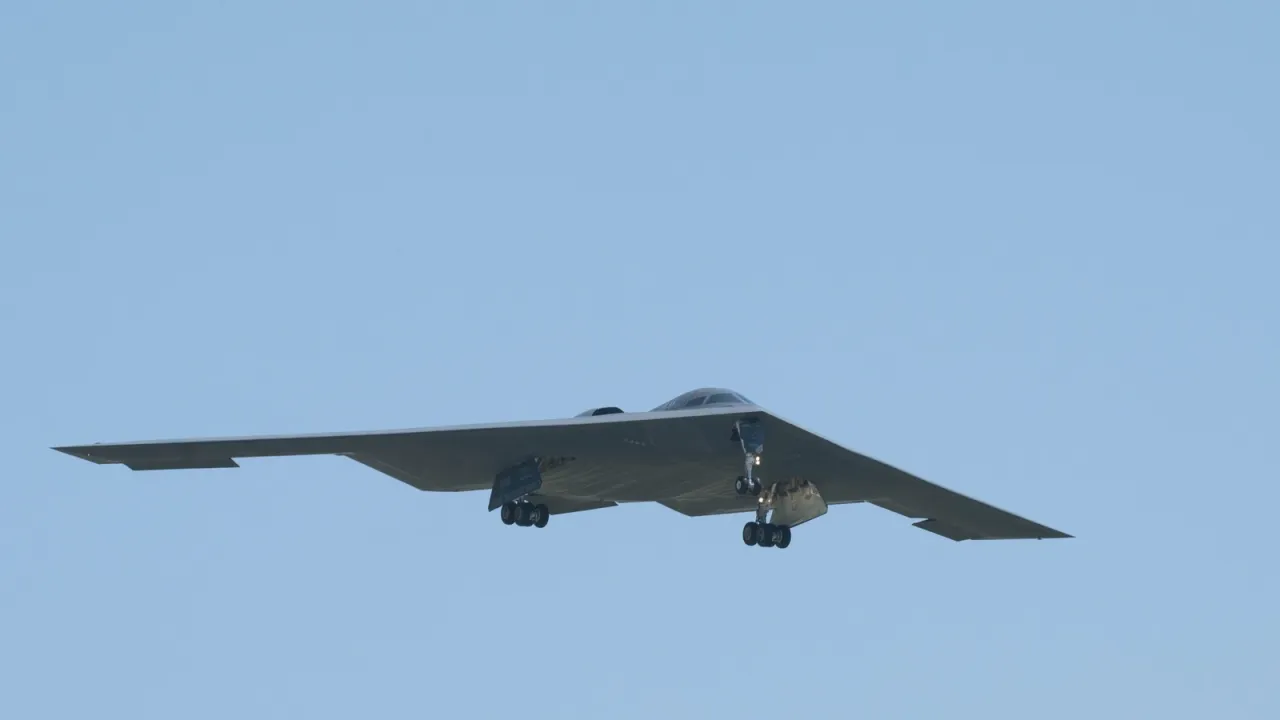
The possibility of a U.S. nuclear strike on Iran returned to the spotlight in recent days after U.S. President Donald Trump renewed his threat to strike the fortified Jabal al-Fass site near Natanz, at a time when the White House denies any decision of that kind, Tehran warns of a wide response, and experts say the nuclear option is unlikely for practical and strategic reasons.
What Trump said
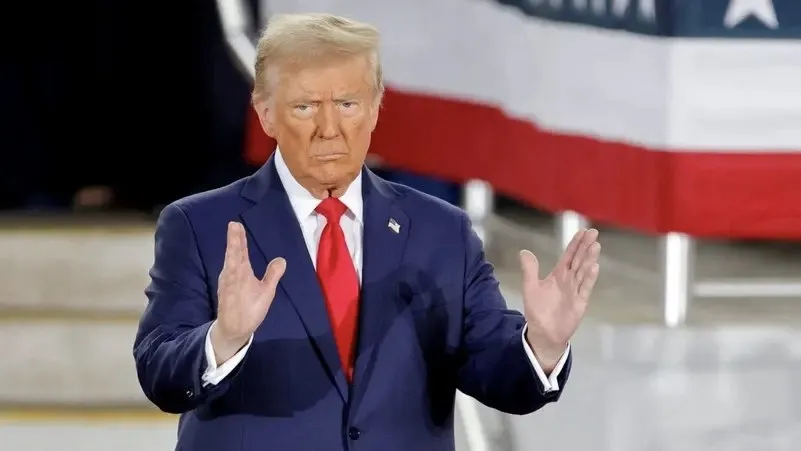
Trump told reporters in Florida on Saturday, 31 October, that U.S. forces had destroyed most of Iran’s nuclear capabilities, and that there remained one or two sites to deal with, including Jabal al-Fass, adding that this could be done in ten minutes.
In a television interview on the evening of Monday, 2 November, Trump repeated that his country might have to target Jabal al-Fass, saying it could be done within one hour and at any time Washington wanted, but he also said he preferred reaching an agreement with Tehran to save many lives and that there was a good chance of doing so.
Trump did not refer to a nuclear weapon in these remarks, and in a mid-October interview he had responded to a question on the matter by saying he would not use nuclear weapons because his country is not obliged to do so.
The official U.S. position
The recent controversy followed claims by American broadcaster Tucker Carlson about exploring the nuclear option, without...
The Iranian position
Iranian Foreign Ministry spokesman Esmail Baghaei described the United States as the greatest threat to the nuclear non-proliferation regime, saying that even an implied threat to use a particular weapon encourages violations of the Non‑Proliferation Treaty, and stressing that Iran remains a party to it and committed to its obligations.
Supreme Leader Mojtaba Khamenei had directed military commanders on Saturday, 31 October, to respond to any threat with an immediate, effective response without geographic restrictions and to update the target list to include U.S. and Israeli assets, according to a statement from his office.
On the diplomatic track, Foreign Minister Abbas Araghchi said consultations with Qatari mediators are ongoing and advanced, and that Tehran is prepared for both defense and diplomacy, expressing hope that the other side will choose diplomacy over other paths. Iran denies any nuclear activity at Jabal al-Fass.
What is Jabal al-Fass
The site known in Persian as Kuh Kling Gaz La lies about two kilometers south of the Natanz uranium‑enrichment facility and roughly 220 kilometers south of Tehran, and its construction began in 2020. Published estimates indicate its chambers may be located at depths ranging from 80 to 100 meters inside hard rock, though that cannot be independently confirmed, and there is no verified information about what is happening inside.
The nuclear option versus conventional bombs
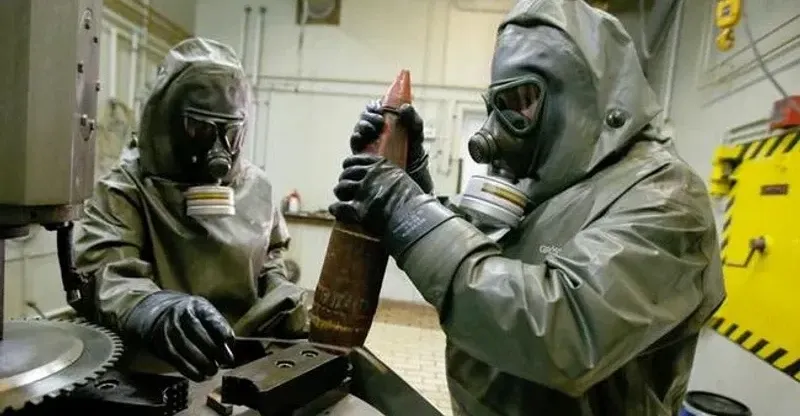
Arms‑control and military experts say Washington’s resort to a nuclear weapon is unlikely for practical and strategic reasons, noting that bunker‑busting nuclear weapons have never been used in any war and that their use would cause widespread collateral damage.
Those experts say the more realistic alternatives remain conventional, such as the GBU‑57 bunker‑busting bomb that the United States used against Iranian facilities in June 2025, although the mountain’s nature and the depth of its tunnels might mean such weapons would be limited to disabling entrances and surface structures without guaranteeing the complete destruction of the site.
Absent international monitoring
IAEA Director General Rafael Grossi told the UN Security Council on 27 October that Iran had not provided the information and access needed to verify previously declared nuclear materials, including 440 kilograms of highly enriched uranium, noting that agency inspectors withdrew from the country in June 2025. Tehran replied that talk of resuming inspections is premature unless Grossi condemns the attacks on its facilities.
Between escalation and negotiation
This debate coincides with U.S. strikes described as limited on Qeshm Island in southern Iran, which a U.S. official said came in response to fire on U.S. aircraft over the Strait of Hormuz, saying there are no immediate plans for escalation, and alongside continued Qatari mediation between the sides to reach an agreement.
Between U.S. statements that threaten force while preferring an agreement at the same time, an official denial of any nuclear decision, and Iranian warnings of a wide response, the prospect of a nuclear strike remains more a subject of debate than a declared option, while a conventional strike on Jabal al‑Fass is the scenario Washington openly threatens.