Red Meat: Benefits, Risks of Overconsumption, and the Right Amount
Red Meat: Benefits, Risks of Overconsumption, and the Right Amount
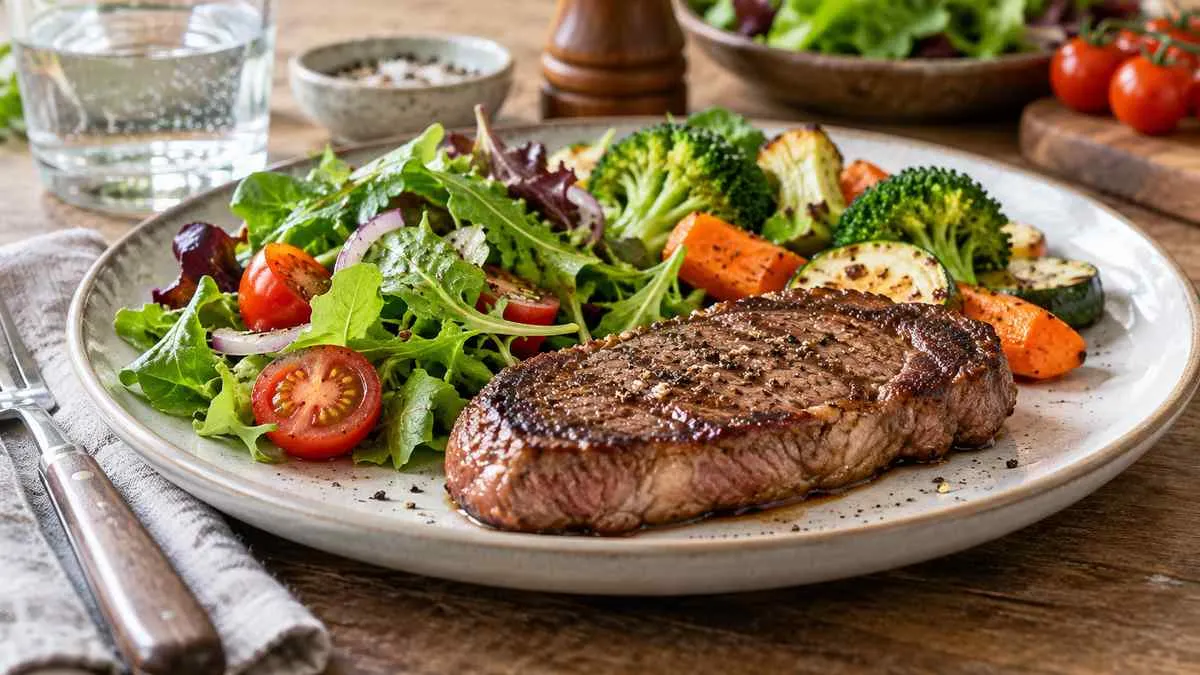
Red meat between health benefits and the risks of overconsumption
Red meat is a common part of many households' tables because it provides protein and important nutrients. But frequent consumption in large quantities, or relying on processed meats, raises questions about its health effects. Evidence indicates that red meat can be part of a balanced diet if eaten in moderation and distinguished from processed meats.
What is meant by red meat?
Red meat includes meats from mammals, such as beef, lamb and goat. Processed meats are those that have undergone salting, smoking or other treatments for preservation or flavoring, such as sausages, luncheon meat, bacon, and some smoked and canned meats. The classification of some products varies depending on how they are prepared and their ingredients.
What are the benefits of red meat?
Red meat provides protein and contains iron, zinc and vitamin B12, which the body needs to perform various functions. It can be part of a varied diet, especially when choosing leaner cuts and consuming it in moderate amounts.
However, obtaining these nutrients does not require eating red meat daily; some nutrients can come from other foods within a balanced diet, such as poultry, fish, legumes and eggs.
Do red meats cause cancer?
The International Agency for Research on Cancer distinguishes between red meat and processed meat. It has classified processed meat as " carcinogenic to humans " based on evidence linking its consumption to colorectal cancer, while it classified red meat as " probably carcinogenic to humans", because the evidence for its link to cancer is weaker. The strongest available evidence on red meat concerns a possible association with colorectal cancer.
These classifications do not mean that eating a serving of meat will inevitably cause cancer, nor do they mean the level of risk is the same for all substances in a group; they describe the strength of the evidence for a hazard and do not alone determine the magnitude of risk for any individual. Risks are related to the amount consumed and other factors in lifestyle and diet.
What is the appropriate amount?
The World Cancer Research Fund recommends that, for those who eat red meat, consumption should not exceed about three portions per week, totaling approximately 350 to 500 grams cooked per week. This recommendation is intended to help reduce risks and is not a single number that fits everyone or a substitute for individual medical advice. The fund also recommends eating very little processed meat, or avoiding it as much as possible.
Cooking method matters
The World Health Organization, in its healthy eating guidelines, recommends choosing poultry and fish when available, reducing processed meats, and trimming visible fat from meat.
When preparing meat, it is preferable to avoid charring or letting it become blackened, and to reduce exposing it to intense direct heat for long periods. Grilling and frying at high temperatures can lead to the formation of undesirable chemical compounds, especially when the meat's surface burns or is heavily exposed to smoke.
How can we make consumption more balanced?
You can reduce reliance on red meat without eliminating it entirely by serving a smaller portion with vegetables and grains, and by including meals based on fish, poultry or legumes during the week. It is also advisable to choose leaner cuts and to cut down on sausages and smoked, salted and canned meats.
Conclusion
Red meat is a source of protein, iron, zinc and vitamin B12, and can be eaten as part of a balanced diet. But overconsumption is not a healthy option; it is better to moderate the amount, eat it alongside a variety of foods, and limit processed meats as much as possible. People with specific health conditions or dietary needs can consult a doctor or a dietitian to determine what suits them.
Sources of the report: World Health Organization, International Agency for Research on Cancer, World Cancer Research Fund



