Saudi tourism faces attacks while Vision 2030 bets on resilience and rapid recovery
Saudi tourism is facing a severe test after attacks on airports and facilities and the postponement of major events, but record figures and the infrastructure built under Vision 2030 give the kingdom a clear capacity to weather the crisis and recover.
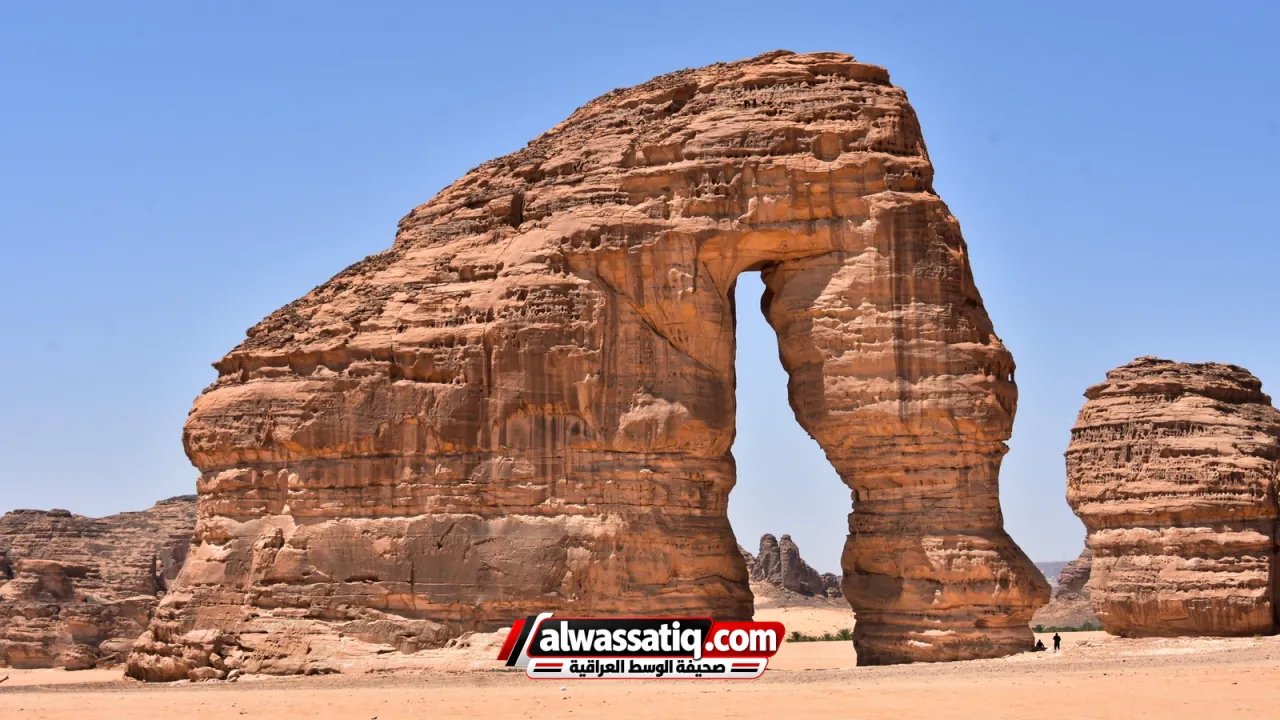
The tourism sector in the Kingdom of Saudi Arabia is undergoing a difficult test, with ongoing attacks targeting airports and critical facilities in the kingdom since the beginning of October, accompanied by disruption to air traffic and the postponement of major international events. Yet the record figures the sector has posted in recent years and the infrastructure established by Vision 2030 give the kingdom a solid cushion to contain the repercussions and return quickly to a growth path.
Airports at the front line of targeting
King Khalid International Airport in Riyadh was attacked on the tenth of this month, an attack that left fatalities and more than 300 injured — the deadliest attack the kingdom has seen in more than a decade — prompting the airport to close for about a week before it was reopened on 18 October under strict operational arrangements requiring prior authorization from the General Authority of Civil Aviation. Saudi Arabian Airlines and Flynas resumed flights from it.
The General Authority of Civil Aviation announced that the attack targeting King Fahd International Airport in Dammam on Wednesday evening resulted in two deaths and eight injuries, confirming the resumption of operational activities at the airport and a return to normal flight operations. Two residents were killed by falling shrapnel after a drone that tried to target a facility in the Shaybah field was intercepted, without affecting operations at the field.
Flights suspended and travel warnings
The escalation was reflected in international aviation movements, as foreign and regional carriers suspended flights to a number of Saudi cities. Qatar Airways extended its suspension of flights to Riyadh and Dammam until 24 October, several countries issued travel warnings for their citizens regarding travel to the kingdom, and the U.S. State Department ordered some diplomats and their families to leave U.S. missions in Saudi Arabia.
By contrast, King Abdulaziz International Airport in Jeddah continued to receive flights, playing a pivotal role in maintaining the flow of travelers and pilgrims arriving to perform Umrah.
Events postponed, not canceled
The impact reached the calendar of events that form a core pillar of Saudi tourism strategy: the Future Investment Initiative conference, originally scheduled in Riyadh late this month, was postponed to 2027; the European–Gulf summit planned for 24 October was delayed; Riyadh Season moved the Six Kings tennis tournament to 27–30 December; and the FIFA eSports finals in Jeddah and the Red Sea International Film Festival were also postponed.
Choosing postponement rather than cancellation reflects organizers’ keenness to preserve the status and quality of these events and the confidence of partners and investors in their return under better conditions, at a time when Riyadh Season 2026 had been set to begin on 21 October.
Record figures give the sector resilience
The tourism sector enters this phase from a position of strength: the Ministry of Tourism’s annual statistical report showed that the number of domestic and international tourists reached about 123 million in 2025, a growth of nearly 6 percent compared with 2024, while total tourism spending hit a record of about 304 billion riyals, up 7 percent.
International tourist numbers reached 29.3 million compared with 93.3 million domestic tourists. The sector contributes around 5 percent of GDP and provides more than one million jobs, after the kingdom surpassed its initial target of 100 million visitors years ahead of schedule and raised its ambition to 150 million visits annually by 2030.
Vision 2030 and the ability to recover
The diversity of Saudi tourism products — from the heritage and natural destinations in AlUla and Diriyah to the Red Sea coast and religious tourism — gives the sector flexibility to absorb shocks, since a large part of demand depends on domestic tourism, which exceeded 93 million tourists, and on religious tourism that has maintained its flow through Jeddah.
The kingdom’s insistence on alternative dates for its major events, the quick resumption of national carriers’ flights, and official announcements of the return of operations at the targeted airports are all indicators that the current disruption is an emergency circumstance that does not change the overall trajectory of Vision 2030, and that Saudi tourism is likely to regain momentum quickly once calm returns.
Read also: Official: Future Investment Initiative (FII10) conference in Riyadh postponed to 2027