Gulf-Iran tensions: efforts for dialogue amid fears of escalation
Regional meetings and an Omani proposal for wider talks open a window to reduce tensions between the Gulf and Iran, but security disagreements and the risks around the Strait of Hormuz remain.
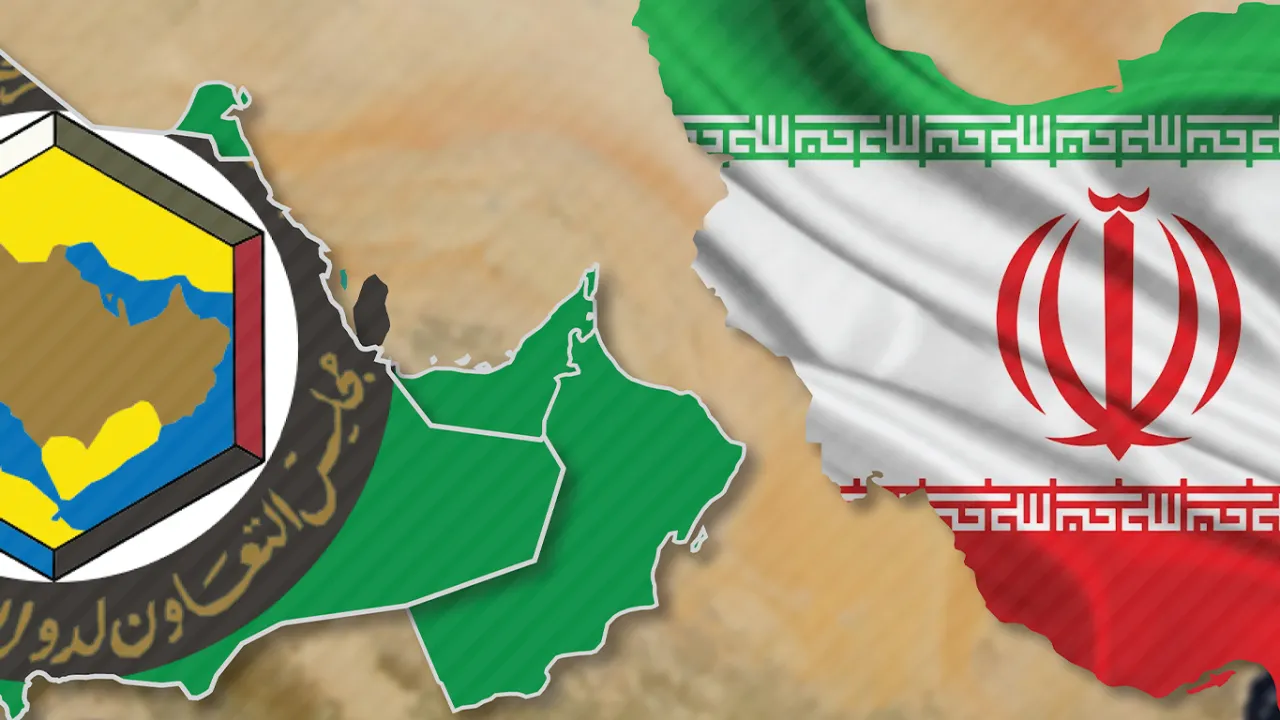
Relations between the Gulf states and Iran have entered a highly sensitive phase, with ongoing security tensions and overlapping political and economic issues—from navigation security in the Strait of Hormuz to attacks on facilities and sites in the region. While parties exchange accusations over the causes of the escalation, regional states are moving to open channels of dialogue to prevent a broader confrontation.
Tehran hosted a meeting on 26 October that included officials from Saudi Arabia, Turkey and Pakistan alongside Iranian officials, in an attempt to reduce tensions and restore a diplomatic track. Saudi Arabia said the move aimed to prevent a return to military escalation, while Iranian President Masoud Bezhakian expressed his country’s readiness to deepen regional cooperation and resolve disputes. Participants agreed to continue talks on peace and security in the region.
But these moves come at a time when concerns persist. The Gulf Cooperation Council states have voiced worry about attacks targeting their territories and about threats to navigation in the Strait of Hormuz, stressing that the security of sea lanes and the safety of energy supplies affect the region and the world. Conversely, Tehran links any broader understandings to demands related to ending the war and lifting restrictions imposed on it, making a quick agreement complex.
Oman stands out as a party pushing for a regional security formula that would include the Gulf states, Iran and Iraq, based on non-aggression and direct dialogue. The idea rests on the view that regional countries need joint arrangements that reduce reliance on external powers, but adopting it faces major challenges—chief among them a lack of trust and divergent government positions on the sources of threat and how to handle them.
These developments reveal that Gulf-Iran relations are not moving in a single direction: there is a desire among regional actors to contain the crisis, counterbalanced by ongoing fears of attacks, threats and their economic and energy-security repercussions. Thus, current meetings may be a first test of the parties’ intentions, but they do not mean the deep disagreements have been resolved.
The Strait of Hormuz remains at the heart of the tensions because of its importance for trade and energy flows. Any prolonged disruption to navigation through it could raise shipping and insurance costs and affect oil markets, in addition to repercussions for regional economies. Therefore, the competition between the Gulf and Iran is not limited to political calculations but extends to the security of ports, facilities and infrastructure.
In the coming period, the course of the tension will depend on the parties’ ability to turn statements and meetings into actionable steps—such as halting attacks, guaranteeing freedom of navigation and establishing communication channels that prevent miscalculation. If diplomatic efforts stumble, the region will remain exposed to new waves of escalation that raise the cost of the confrontation for everyone.