Shoulder pain isn't only from injuries: heart, liver and gallbladder conditions may be the cause
Shoulder pain isn't only from injuries: heart, liver and gallbladder conditions may be the cause
Follow-up - Al-Wasat Iraqi newspaper
Specialists warned that shoulder pain is not limited to older adults or athletes and is not always linked to injuries of the joint and surrounding muscles, stressing that some pain cases may be related to health problems in other organs, including the heart, liver, gallbladder and the spine.
The shoulder is one of the body’s joints most prone to injury because of its wide range of motion; it relies on a complex network of muscles, tendons and ligaments to provide stability and movement, which makes it more susceptible to strain, inflammation and repetitive-use injuries.
According to the U.S. National Institutes of Health, shoulder pain affects a broad segment of the population, with an estimated prevalence of about 16 percent and roughly 38 new cases annually per 1,000 people.
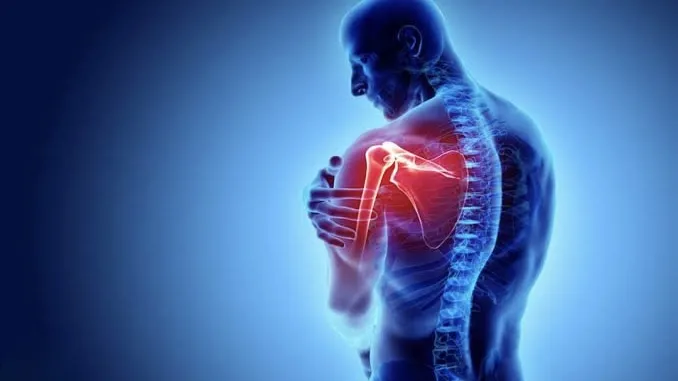
The shoulder is made up of three main bones—the humerus, the scapula and the clavicle—plus a group of joints, muscles, tendons and ligaments that work together to allow the arm to move in multiple directions.
Soft-tissue injuries, particularly to the rotator cuff and its tendons, are among the leading causes of shoulder pain, along with bursitis, shoulder impingement syndrome, frozen shoulder, arthritis, joint instability, dislocation and fractures.
Overusing the shoulder or using it improperly while sleeping, sitting or working can damage tissues; excessive exercise, heavy manual labor and sports injuries can also contribute to the onset of pain.
Pain originating from other organs
Pain in the shoulder does not necessarily mean there is a problem in the joint itself; pain can be transmitted from other organs via the nerves in a condition medically known as "referred pain," where the source of pain is in one area of the body while the person feels it in another.
Conditions that may cause this type of pain include diseases and injuries of the cervical spine (neck), liver and gallbladder diseases, as well as some heart and coronary artery conditions.
Gallbladder problems can cause pain in the right shoulder or shoulder blade as a result of irritation of nerves shared with the diaphragm. It can be initially distinguished from muscular pain by the effect of movement: muscular pain usually worsens with arm movement, whereas referred pain from the gallbladder may not change with shoulder movement.
Gallbladder problems may be accompanied by other symptoms, including upper-right abdominal pain, nausea, vomiting and fever, and discomfort may appear after eating fatty meals.
Some liver diseases can also cause referred pain to the right shoulder due to irritation of adjacent nerves. This pain may not limit the shoulder joint’s range of motion and may be accompanied by other symptoms that require medical evaluation, such as upper-right abdominal pain, dark urine or jaundice.
When is the pain related to the heart?
Shoulder pain can in some cases be linked to heart disease, since pain resulting from reduced blood flow to the heart muscle can appear in other areas of the body, including the shoulder and arm.
Warning signs to watch for include shoulder pain that is not affected by movement or touch, especially if it is accompanied by chest pressure or tightness, difficulty breathing, sudden sweating or nausea.
Inflammation of the membrane surrounding the heart (the pericardium) can also cause chest pain that may extend to the shoulder area.
When does the condition require urgent care?
Doctors at the Mayo Clinic advise obtaining a medical evaluation to determine the exact cause of shoulder pain, especially if the pain appears after a fall or an accident.
The condition requires urgent medical care if there is a deformity of the shoulder joint after injury, inability to use the shoulder or to move the arm away from the body, severe pain, sudden swelling with redness and warmth around the joint, or worsening pain and difficulty moving.
If shoulder pain is accompanied by difficulty breathing or chest tightness/pressure or sudden sweating, emergency medical help should be sought, because these symptoms may be related to a problem...



