"Logistics corridor".. Major Egyptian project in Sinai worries Israel
"Logistics corridor".. Major Egyptian project in Sinai worries Israel
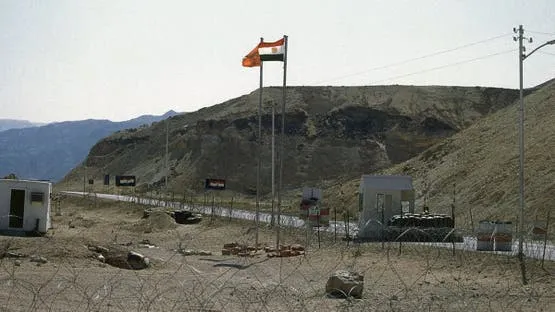
The giant infrastructure projects the Egyptian government is launching in the Sinai Peninsula continue to provoke escalating waves of controversy and concern within media and political circles in Israel.
Over the past hours, Israeli media have highlighted the Egyptian railway network project extending for 500 kilometers from Al-Fardan via East Port Said, Bir al-Abd and Al-Arish to Taba, considering that this logistics corridor carries within it a "dual use" that enhances the Egyptian army's military logistical capabilities on the eastern border.
Egyptian authorities, meanwhile, affirmed that the project represents a comprehensive economic and developmental step to link Sinai with the Nile Valley and change the country's population map.
"Military dimensions"
Tel Aviv considered the new railway line a shift that goes beyond civilian development, forming permanent and robust infrastructure that gives Cairo the advantage of transporting supplies, equipment and fuel in times of crisis at very high speed, and reducing the natural obstacles of the desert.
It also linked the project to the development of Al-Arish seaport and the expansion of Al-Arish International Airport to create two parallel runways, considering these moves to carry military dimensions, and called for a re-evaluation of the security arrangements stipulated in the 1979 peace treaty's security annex, according to the Israeli press.

From Sinai
A comprehensive development framework
On the Egyptian side, the Ministry of Transport placed the project within its comprehensive development framework, stating that it aims to connect mining areas, industrial complexes and seaports directly to the national railway network and the Nile Valley.
The ministry also explained that the first sector between Al-Fardan and Bir al-Abd, about 100 kilometers long, has already been operated and developed, while work continues to extend the line eastward toward Al-Arish and southward toward Taba, to facilitate the movement of goods and passengers and serve international and regional trade.
In response to these Israeli claims, Egyptian military experts and analysts refuted those propositions, asserting that the comprehensive development of Sinai is an inherent sovereign right of the Egyptian state within its national borders.

From Sinai
"Misleading the Israeli public"
In this context, the lecturer at the Command and Staff College at the Military Academy for Higher Studies and Strategy, Major General Osama Mahmoud Kabir, told AlArabiya.net in exclusive remarks that it is not new for Israeli media to talk about development projects the Egyptian state is carrying out in Sinai. He revealed that four years ago they addressed the development of Al-Arish Airport, then Joura Airport, the water locks in Sarabium, as well as the giant road networks.
Kabir also explained that these platforms "seek to mislead the Israeli public" by linking internal development projects to threats to Israeli national security, ignoring the sovereign right guaranteed to any state to manage and develop its lands, and affirmed that these campaigns are an attempt to rally support for Benjamin Netanyahu's government, which is facing a sharp decline in popularity.
"A strategic goal for Egypt"
For his part, the former deputy director of the Egyptian General Intelligence Service, Major General Mohamed Rashad, stressed that settling Sinai is Egypt's primary strategic option to protect its eastern borders. He told AlArabiya.net that developing Sinai is a strategic goal for Egypt after decades of neglect, adding that restoring Sinai's demographic composition and linking it to the Valley via transport and railway networks has become necessary to achieve stability and national security. He pointed out that urbanization and development prevent any future ambitions to encroach on Egyptian lands, and that establishing a railway line linking the Valley with Al-Arish and Taba achieves ease and speed in transportation.
The speaker concluded, explaining that settling and developing Sinai annoys Israel because it fortifies Sinai "against any thought of invading it in the future." He affirmed that Cairo has grown used to such repeated Israeli complaints with every development project, and does not pay them attention, but rather continues to work on everything that secures its borders and lands and preserves its sovereignty.