New CIA Officers' Testimonies Renew Debate Over 'Havana Syndrome' and Raise Accusations of Russian Involvement and Possible Cover-up
Testimonies from US officers and officials who say they experienced mysterious health symptoms during overseas assignments have revived debate about possible targeting with unknown weapons, with renewed accusations against Russia and complaints that evidence may have been withheld within US institutions.
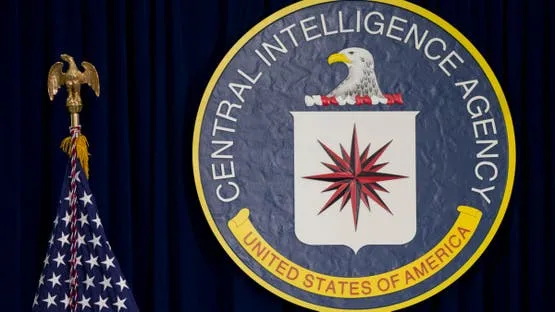
New testimonies from officers at the US Central Intelligence Agency (CIA) and other officials disclosed that they experienced mysterious health symptoms during assignments outside the United States, in incidents that have revived debate about the possibility they were targeted with unknown weapons, amid renewed accusations against Russia and suspicions that evidence connected to the case has been withheld within US institutions.
One of the cases dates to April 2019, when an agency officer on a work trip to London woke up with a severe headache he described as the worst of his life, accompanied by heavy sweating and balance problems. The next day he had difficulty remembering colleagues' names and following a discussion during a work meeting, before symptoms continued to include mental confusion, loss of balance, and increased ringing in his ears.
In September of the same year, the officer experienced another episode of sharp pain during a work trip to Warsaw, which he later described as similar to being struck repeatedly on the head with a baseball bat. Although the attacks later subsided, he suffered for years from chronic neuropathic pain, fatigue, and other health issues.
These cases are known as "Havana Syndrome," named after the Cuban capital where the first cluster of reports emerged after US diplomats there reported unusual symptoms, including the sensation of strange sounds, pressure and pain that in some cases were followed by long-lasting health problems.
Over time dozens of CIA officers in various locations around the world reported similar cases, officially labeled "anomalous health incidents." Some of those affected have estimated that the symptoms could be the result of a Russian intelligence operation using an unknown weapon based on acoustic energy or pulsed microwave waves, aimed at injuring or intimidating US operatives.
But this hypothesis has faced scientific and intelligence objections, with researchers saying the evidence is insufficient to prove the existence of a portable weapon capable of causing such injuries, noting that symptoms like dizziness, pain and perceptual disturbances can arise from multiple causes, including environmental factors, toxic substances and certain acoustic effects, as well as possibilities of psychological explanations.
In 2022 a government-appointed panel of scientific experts concluded that signs of these incidents are real and convincing, and that they may have been caused by external agents. However, a US intelligence assessment issued the following year concluded that the available information did not consistently point to the involvement of US adversaries in those incidents, finding that the likelihood of a Russian campaign behind them was "very unlikely."
The debate resurfaced after this assessment was later withdrawn during President Donald Trump’s administration, on the grounds that it was based on flawed analysis, which reopened discussion about the evidence underlying earlier official estimates.
Journalists Michael Rey and Oriana Zil de Grandos are preparing to publish a book presenting testimonies and evidence they say support possible Russian involvement in some Havana Syndrome cases, alongside accusations that parts of the US government and intelligence agencies withheld potential evidence related to the matter.
David Relman, a Stanford University professor who chaired the government scientific committee on Havana Syndrome in 2022, said he believes a subset of cases can more plausibly be explained by exposure to pulsed microwave energy. He added that the committee reviewed patient records and more than a thousand classified documents related to the issue, noting that the totality of evidence it examined could lead to the belief in a potential cover-up.
The journalists said they began tracking the case after reports emerged of US embassy staff in Havana being affected following the resumption of diplomatic relations between Washington and Havana during President Barack Obama’s administration. They added that a former US diplomat confirmed to them that cases occurred and linked them to people who said they had experienced such symptoms.
As investigations widened, similar reports emerged among US diplomats in China and other locations around the world, before people who had worked or still work on covert missions for the CIA contacted the journalists. The reporters said the accounts of several of these individuals were strikingly similar despite the fact that they did not know each other.
The investigation indicated that a number of suspected cases were linked to people who had worked on files that intersected with Russian interests. Sites mentioned in the testimonies included Cuba, Georgia, Kyrgyzstan, Serbia and Vietnam, in addition to officers who worked in Kyiv during the 2014 events that Russian President Vladimir Putin described as a US-backed coup.