Jamestown Foundation: Options for Kurdistan Region to Face Drone and Rocket Attacks After U.S. Withdrawal
The Jamestown Foundation said the Kurdistan Region has faced more than 1,000 attacks since 28 February, and that the U.S. withdrawal and removal of Patriot systems from Erbil airport have left it more exposed to targeting.
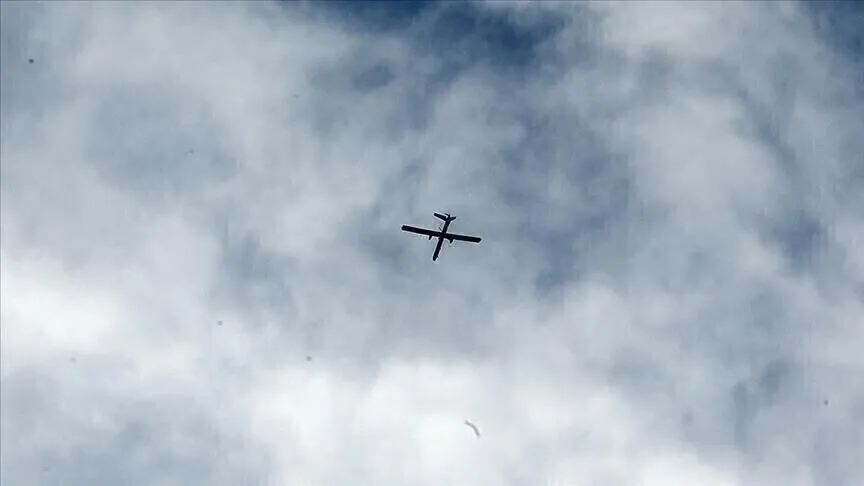
The U.S.-based Jamestown Foundation outlined a set of options for the Kurdistan Region to avoid continued drone and rocket attacks, after the region became exposed to threats following the withdrawal of U.S. forces and the removal of Patriot systems from the city of Erbil.
The foundation said the region has been subjected to more than 1,000 attacks since 28 February by Iran and Iran-aligned Iraqi factions, including strikes on sites belonging to Iranian Kurdish opposition groups, the regional prime minister's office, and the headquarters of the regional intelligence agency. While Tehran denied involvement in some of these attacks, Iran announced it had targeted warehouses and the guidance system of a U.S. surveillance balloon at Erbil airport.
The report noted these attacks coincided with the withdrawal of the U.S.-led coalition forces from the region, pointing out that Patriot systems were indeed removed from Erbil airport in July, which made the region more vulnerable to targeting.
The foundation said the U.S. withdrawal from Erbil could lead to a reduction in the number of Iranian attacks, noting that Iran has previously said the American presence was among the reasons for attacks carried out in Iraq. Conversely, the report pointed out that Iran has previously struck non-U.S. military targets, including energy infrastructure, and also targeted a businessman on 15 January 2024.
The report warned that Iran could continue to target the U.S. consulate general in Erbil even with the withdrawal of U.S.-led forces.
The report also expressed growing Iranian frustration at the continued presence of armed Iranian Kurdish groups in the Kurdistan Region, despite the regional government's insistence on neutrality in the conflict. It said reports spoke of a plan by U.S. President Donald Trump to arm these groups, and that the idea was adopted by regional actors as well.
The foundation discussed the security agreement signed between Iraq and Iran in March 2023, noting Tehran's demands to move the opposition Kurdish groups' sites away from the border and to remove them from Iraq entirely. It explained that Iran delivered a message to Baghdad demanding either the surrender or expulsion of these groups, and that the attack on Masrour Barzani's office may have been a tactic by Iran to apply pressure.
The report quoted Masrour Barzani as saying, "The Iranian Kurdish fighters came to the region as refugees with their families even before the establishment of the Kurdistan Region in 1991, and therefore the Kurdish issue in Iran should be addressed peacefully and through dialogue."
The foundation concluded that if a final agreement between the United States and Iran is not reached, it is likely Iran will continue its attacks on the Kurdistan Region. It added: "Even if there is a U.S.-Iran agreement, it is still possible that Iran or Iran-backed Iraqi factions will continue to carry out attacks on the Kurdistan Region, including attacks on energy infrastructure, Iranian Kurdish opposition groups, or regional government institutions."
The report concluded that "without its own defense systems, the Kurdistan Region will remain vulnerable to such attacks," and said the main options for the region are to press for an air defense system or to mediate a deal that ensures Iran accepts the presence of the Iranian Kurdish armed groups on its territory—though it noted this scenario currently seems unlikely, increasing the probability of continued drone attacks.