Damascus expects trade with Iraq to grow 50% after electronic linkage
Damascus expects trade with Iraq to grow 50% after electronic linkage
The administration of the Damascus Chamber of Commerce on Sunday forecast that trade exchange between Syria and Iraq will grow by between 30% and 50% during the first 12 months after implementing the electronic linkage between the customs authorities of the two countries.
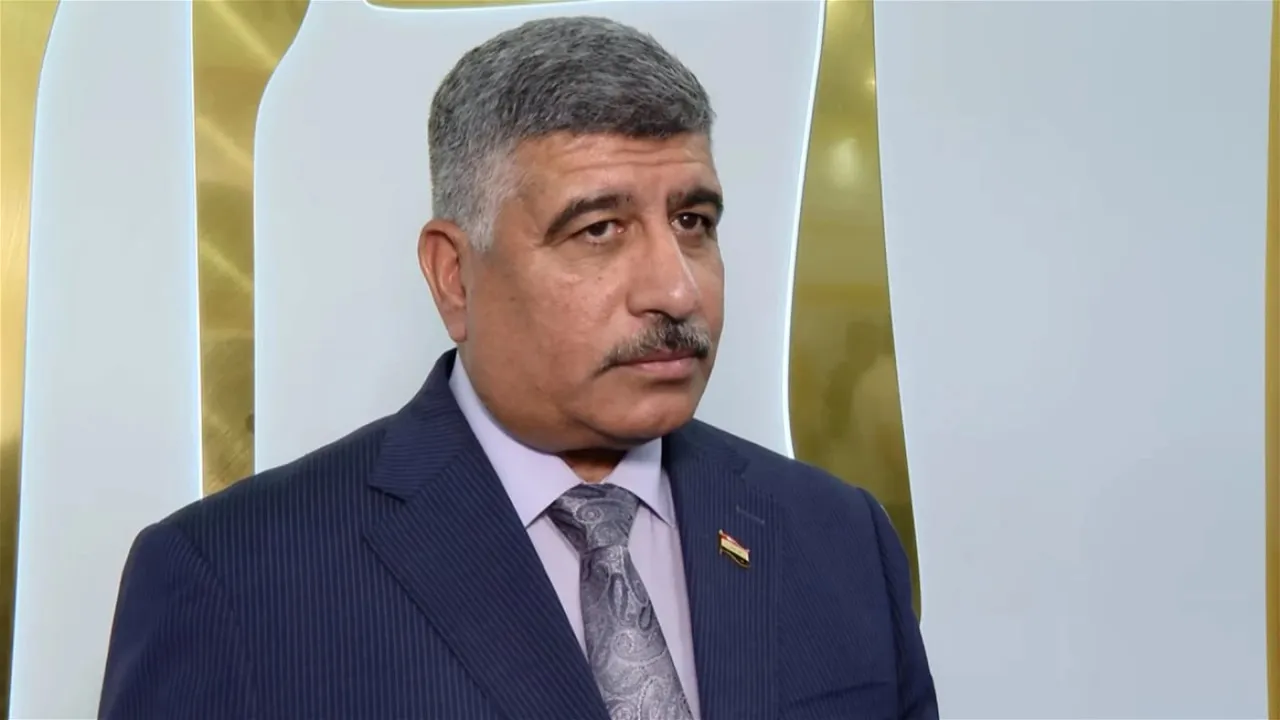
Member of the chamber’s board Luay al-Ashqar told the Iraqi Al-Wasat newspaper that the electronic linkage aims to simplify procedures, exchange data, speed up transactions and raise the throughput capacity of border crossings, noting that the estimates are based on the experience of the Rabi'a crossing, whose opening contributed to a 20% increase in trade exchange.
He added that the estimates target a gradual return of trade exchange to a level between $300 million and $500 million by 2027, eventually reaching $1 billion—the level that prevailed before 2011—without counting revenues from the new oil transit.
He explained that applying the electronic linkage through the "ASYCUDA" system and electronically verifying certificates of origin and invoices could reduce truck waiting times at crossings from the current two to four days to hours, thereby cutting costs for yard space, refrigeration and drivers’ wages, in addition to informal costs, by an estimated 15–25% of overland shipping costs.
Al-Ashqar said that speeding up transit operations could lower prices of fresh goods—especially vegetables, fruits and dairy—by 8–12%, while prices of industrial and pharmaceutical goods could fall by 5–7% in the Damascus and Baghdad markets.
He indicated that agriculture and food industries will be among the main sectors to benefit from the electronic linkage, followed by pharmaceuticals, detergents, plastics and construction materials, while the energy and transit sectors are among the principal beneficiaries, with expectations of facilitating the movement of Iraqi oil tankers toward the Syrian coast.
Al-Ashqar affirmed that the electronic linkage will contribute to increasing Syrian exports to Iraq, saying the current problem is not demand but procedures.
He pointed out that Iraq will make electronic verification via the "ECOR" platform mandatory from 7 October 2026, explaining that linking Syrian and Iraqi customs will help companies overcome customs verification obstacles.
Regarding transit traffic, al-Ashqar predicted that regional movement between the Gulf and Turkey and Europe via the al-Tanf axis would double after raising the crossing’s capacity and rehabilitating the al-Tanf–al-Busayri road over 215 kilometres at a cost of $150 million.
He estimated initial private-sector investments expected in the logistics sector at about $50–80 million over two years, including exchange yards, refrigerated units and cold storage, truck fleets, clearance companies and bonded warehouses.
He noted that reducing clearance time from 72 hours to six hours would enhance the competitiveness of Syrian products, and he expected an increase in the number of companies using the crossings, especially medium and small firms heading to the markets of Mosul, Baghdad and Basra.
He explained that transport companies would be immediate beneficiaries of the electronic linkage, as a truck, by his estimate, could increase its monthly trips from two to four or five trips, lowering operating costs and raising freight companies’ profit margins.
He said the expected net cost reduction for exporters and importers could reach about $120–180 per truck, equivalent to 10–15% of the total cost of an average shipment.
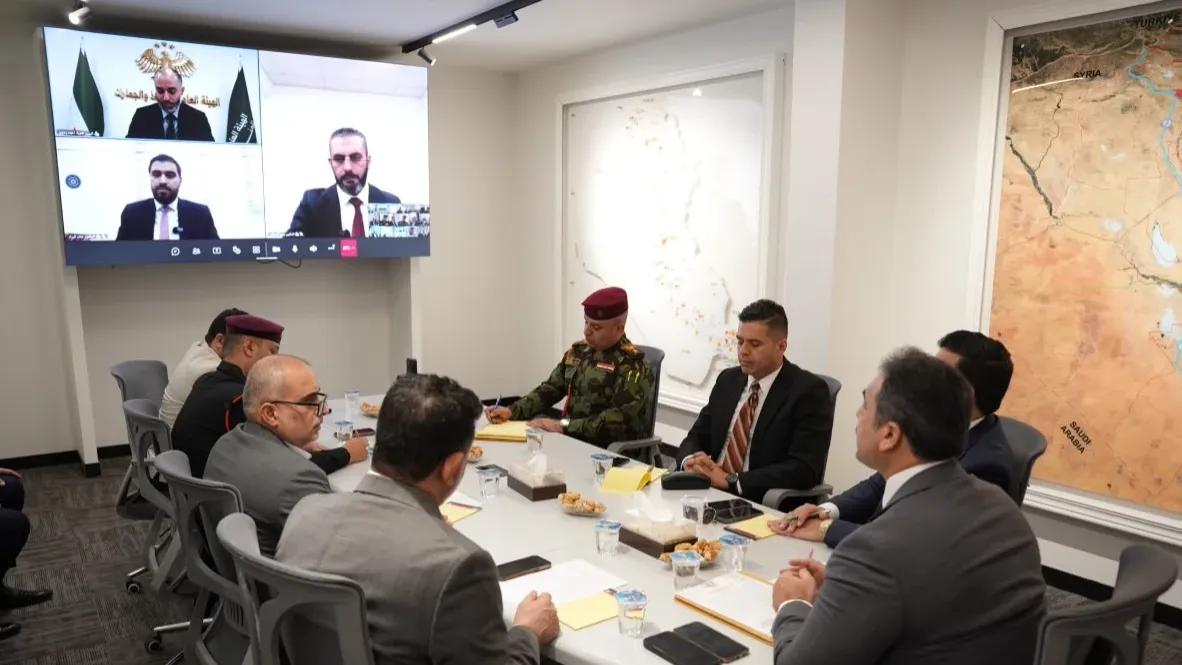
Earlier on Sunday, the Iraqi Border Ports Authority announced it had agreed with the Syrian side on eight measures to facilitate the movement of trucks and passengers and the electronic exchange of customs data, including allocating new commercial routes, easing transit truck passage, and expanding the Rabi'a crossing by adding 100 dunams to accommodate the increasing numbers of trucks and tankers.
The two sides also agreed to resume passenger movement through the al-Waleed crossing after completing passport halls and designated roads, with passenger entry continuing via the Rabi'a and al-Qa'im crossings.