Iranians Call to Break Flight Ban amid Iraqi Warnings
Iranians call to break flight ban amid Iraqi warnings
Iranian voices who spoke to the Iraqi Al-Wasat newspaper on Sunday evening agree that Tehran wants Iraq "not to comply" with U.S. sanctions on Iran's aviation sector, and they believe that continuing the ban will harm Baghdad's interests more than it will affect the Islamic Republic.
This comes as Baghdad faces a U.S. warning about the risks of sanctions on Iraqi airports and companies that provide services to sanctioned Iranian carriers.
Consequences of the sanctions
The crisis began on 8 September, when the U.S. Treasury Department announced sanctions on 36 entities linked to Iran's aviation sector, including 27 airlines, accusing the Iranian sector of helping transport weapons, personnel and illicit cargo.
Washington warned entities that provide services to the Iranian airlines subject to the sanctions about the consequences of dealing with them.
With the measures taking effect last Wednesday, their repercussions began to appear in Iraq. According to sources who spoke to Al-Wasat on Friday, the suspension of flights was not so much linked to an Iraqi announcement of cutting aerial relations with Iran as it was to ground handling and service companies stopping service to Iranian flights for fear of U.S. sanctions.
Overland travel alternatives
In Tehran, authorities did not treat the suspension of flights as the end of travel between the two countries. Morteza Aghaei, Assistant for Atabat Affairs at the Iranian Hajj and Pilgrimage Organization, announced on Saturday that Iran would continue sending Iranian visitors to Iraq via land crossings, including Mehran, Khosravi, Shalamcheh and Jaziba.
Aghaei also told the press that arrangements have been made to return visitors currently in Iraq by land and to allow converting air bookings to land travel and refunding the fare difference.
On the same day, Iran's ambassador to Iraq, Mohammad Kazem Al-Sadiq, said talks with Baghdad are ongoing and that about 12,000 to 13,000 people travel daily between Iran and Iraq on Iranian airlines.
Al-Sadiq told the Iranian ISNA agency that Tehran has submitted proposals to the Iraqi side and is awaiting new measures regarding the flights.
Rejecting the sanctions
In this context, Iranian political affairs researcher Saeed Shaverdi says Iran expects neighboring countries, especially Iraq, not to comply with U.S. sanctions, considering them unilateral measures inconsistent with international law.
Shaverdi says Iraq can explain the particular nature of its relationship with Iran to Washington instead of fully implementing the measures, warning that continued pressure could broaden the regional crisis and increase tensions around the Strait of Hormuz, which could affect oil and gas shipments and the global economy.
It appears that U.S. positions toward Iran indicate a continuation of the escalation rather than a political solution.
Exceptions for Iraq
Writer and Iran affairs researcher Saleh al-Qazwini says Tehran hopes Iraq will not comply with the U.S. measures, considering the sanctions lack international legitimacy and that compliance would harm the shared interests of both countries.
Al-Qazwini told Al-Wasat that if Baghdad succeeds in obtaining exemptions, this would serve the interests of the countries concerned by the decision.
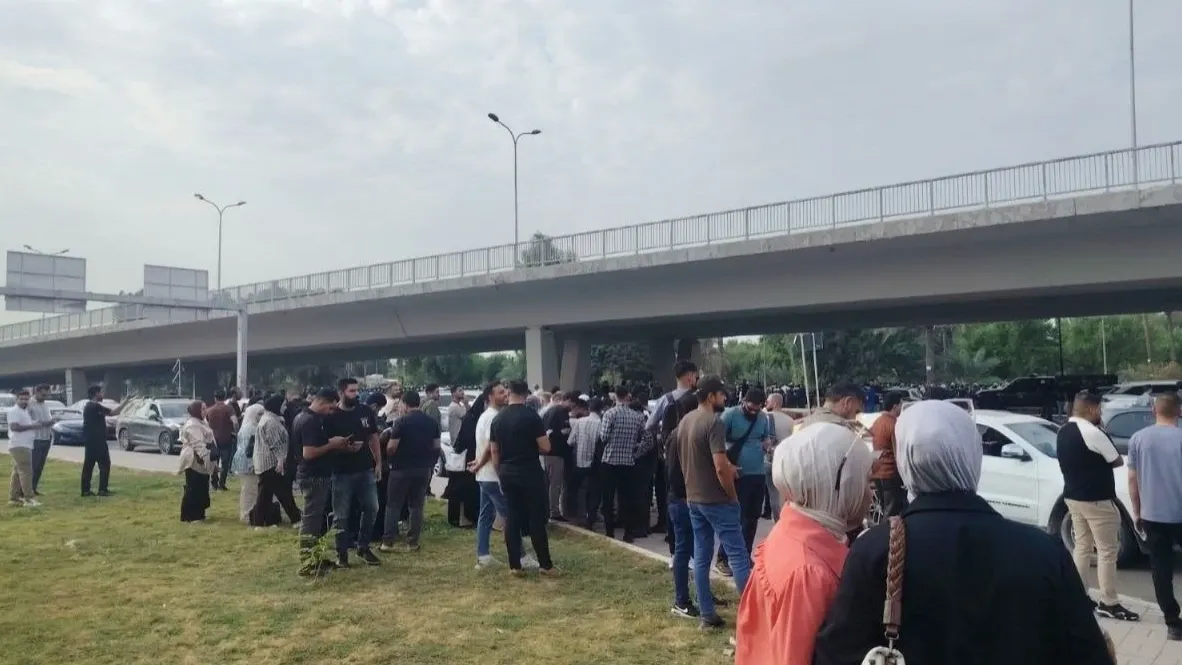
He noted that the suspension of flights directly affects many Iraqis, pointing out that the most affected are the thousands of Iraqi students studying in Iran, as well as visitors to Iranian cities such as Qom and Mashhad for religious purposes, and patients who travel there for medical treatment.
According to al-Qazwini, talk of "balance" does not apply to the decision as long as it harms both Iranian and Iraqi interests, but he added that Baghdad securing exemptions, if possible, would be an important diplomatic achievement for Iraq.
Balancing interests
By contrast, Iraqi political analyst Majasha al-Tamimi believes Iraq faces challenges beyond the political dispute, because the aviation sector is tied to revenues, the reputation of the financial and credit sector, and the international financial system.
Al-Tamimi told Al-Wasat that complying with U.S. sanctions, if managed through clear coordination with Washington, could protect Iraqi airports and airlines from the risks of secondary sanctions.
He stressed the need to manage the relationship with Tehran through negotiation channels to avoid turning Iraqi airports into arenas of conflict.
Al-Tamimi concludes that balancing interests is possible, but continued escalation could narrow Baghdad's maneuvering space and raise financial and sovereignty costs for it.
Government meeting and moves
These positions coincide with what a senior government source told Al-Wasat on Sunday: that Baghdad received a serious and direct U.S. warning that continuing to host any Iranian airline in Iraqi airports exposes the airport and the entities and companies that provide services to those flights to U.S. sanctions.
Earlier in the day, an informed political source told the newspaper that leaders of the Coordination Framework will hold a meeting on Sunday evening, attended by Prime Minister Ali al-Zaidi, to discuss the decision to ban reception of Iranian planes at all Iraqi airports, as well as to examine the political and popular domestic repercussions of the decision.
The Iraqi government, yesterday Saturday, sought direct talks with the U.S. administration to exempt some Iraqi airports from the ban on Iranian flights.