Mohsen Rezaei warns of expanding strikes on US interests, sets seven conditions to reopen the strait
Major General Mohsen Rezaei said Tehran can continue striking US interests with missiles and drones and could expand targets to include cables, data centers and AI facilities, and that it has presented seven conditions through intermediaries to reopen the strait.
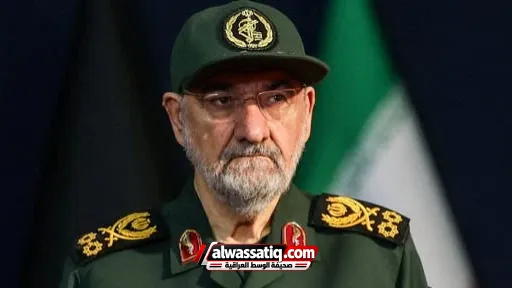
Major General Mohsen Rezaei, secretary of Iran’s Supreme National Security Council, said Tehran has the ability to continue launching missiles and drones at US interests across the region in the event of a new war, and is prepared to expand the scope of targets, according to media reports.
Rezaei added that the United States has valuable interests in the region and that the range of potential targets in a future war could include cables, data centers and artificial intelligence facilities, explaining that if Iran were subjected to a new war it would pursue a broader response program.
He stressed that any action against Iran carries a cost, and that if diplomacy succeeds in conveying this understanding Tehran prefers a diplomatic solution; but if the war continues, Iran has the tools necessary to continue responding.
Responding to US claims about destroying or damaging Iran’s military infrastructure, Rezaei said Tehran has been preparing for the possibility of a wider war for decades, citing "many years" of investment in creating surplus capabilities through distributed production, underground facilities, multiple-launch systems, and the ability to repair damage and make up losses.
He warned that assessing Iran’s capability is not limited to the number of missiles remaining in storage, saying the question in a long war is whether a state can maintain a continuous cycle of production, deployment and response, and adding that Iran has proven its ability to impose costs on the opposing side even months into a conflict.
Rezaei affirmed that his country did not use all of its capabilities in earlier stages, that it employed what the intensity of the confrontation required, and that it was and remains ready for the next stage, noting the possibility of employing new capabilities in reciprocal responses to any new aggression.
He also warned neighboring countries against participating in a US strategy to prolong the war by using their energy infrastructure to offset pressure caused by the Strait of Hormuz, saying such involvement would put those countries at risk.
Rezaei denied that Iran’s message signaled a desire to destroy the Gulf’s energy system, explaining that his point was that Iran’s economic arteries cannot be targeted while the factors that enable such attacks remain protected and immune from accountability.
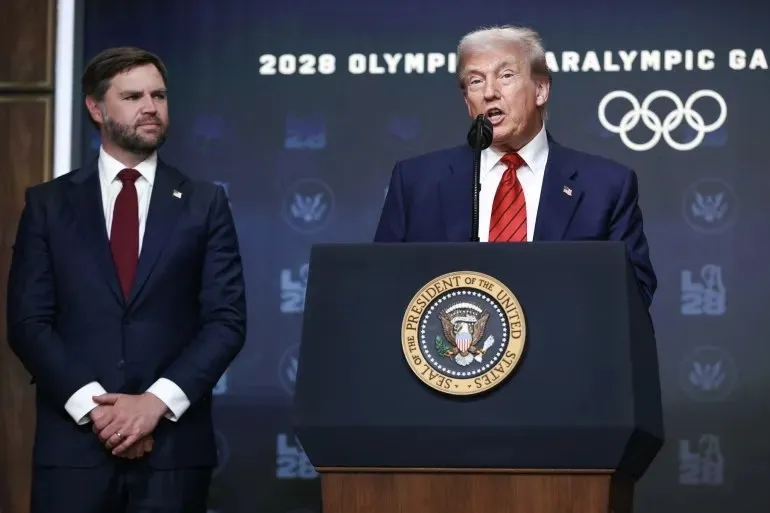
He criticized former US President Donald Trump’s approach to Iran, describing it as focused on short-term goals disconnected from geostrategic reality and core US interests, and said that secrecy during wartime gave people around Trump exceptional, exclusive access to information that served only insiders.
Rezaei warned of the repercussions of the current situation on markets, predicting that energy markets will not see calm over the next three years, and said that the continuation of the conflict has shifted the dynamics in Iran’s favor because Gulf littoral states are quickly redefining their relations with Tehran, convinced that the US military cannot defend its bases.
He announced a shift in Iran’s diplomatic approach as a result of what he described as the unreliability of the previous US administration, saying Tehran will not return to its former diplomatic approach though it will not abandon diplomacy. He confirmed that Iran has presented seven new conditions through intermediaries and that it will not open the strait nor return to negotiations as long as those conditions are not met.
He concluded by saying the first agreement failed because of a wrong sequencing in implementing commitments: Iran opened the strait and maritime traffic resumed, but the other party’s political and economic commitments were not implemented. Once the United States obtained what it immediately needed, the balance of pressure changed, and this experience remains important for Iran’s future policies.