Tariq Ismail warns of Iraq's economic fragility due to reliance on oil
Banking expert Tariq Ismail warned of the widening repercussions of international conflicts on supply chains and energy markets, noting that Iraq's reliance on oil has widened the financial gap between revenues and expenditures.
Egyptian banking expert and credit risk management specialist Tariq Ismail warned on Friday of the widening economic repercussions of international conflicts, noting that Iraq's heavy reliance on oil makes its economy vulnerable to global market fluctuations and increases the difficulty of addressing the budget deficit.
Ismail said that the continuation of conflicts and geopolitical tensions does not necessarily mean the overall trend of the global economy will be toward greater pessimism, but he added that the real challenge lies in countries' ability to manage crises and limit their effects, especially in economies that are heavily tied to external volatility.
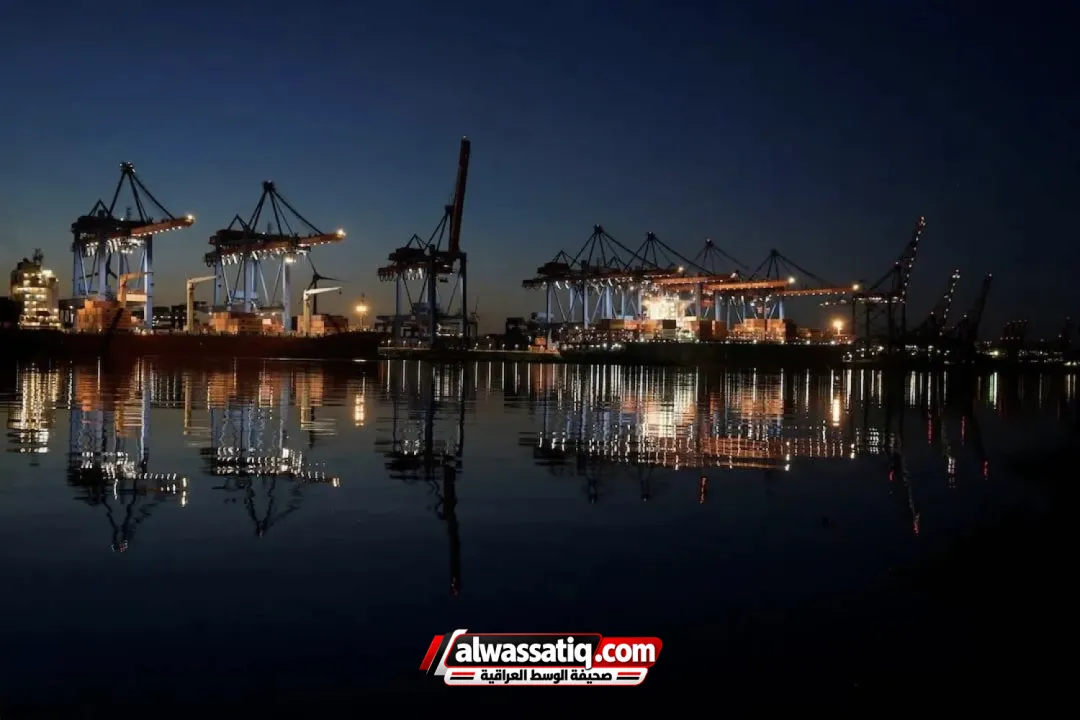
He explained that disruptions to supply chains and uncertainty are two of today's foremost challenges: conflicts disrupt trade and raise transport and production costs, while unexpected volatility makes investment decisions and economic planning more complex.
He pointed to oil markets as a practical example of these risks, noting that tensions may lead some countries or companies to sign contracts at high prices as a precaution, but they may incur heavy financial commitments if prices fall after a lull in tensions.
On the state of the Iraqi economy, Ismail said that the broad reliance on oil revenues to finance the public budget increases the country's exposure to external shocks, whether through price volatility or disruptions to supply and trade flows, and that this requires rethinking the structure of the economy and its revenue sources.
The latest data from the Iraqi Ministry of Finance show the gap between revenues and expenditures widened to about 30.432 trillion dinars during the first eight months of 2026, after revenues reached 45.355 trillion dinars compared with expenditures of about 75.787 trillion dinars, according to ministry data dated 21 October.
The data showed that oil revenues accounted for about 77% of the state's total resources during that period. Earlier official figures also showed oil revenues fell by about 53% in the first seven months of the current year compared with the same period in 2025, coinciding with disruptions to oil export movements through the Strait of Hormuz due to the war in the region.
Ismail stressed the need for a long-term economic plan to diversify income sources and reduce dependence on oil revenues, alongside improving the business environment and providing the guarantees and facilities necessary to attract local and foreign investors.
He said that expanding the role of the private sector can help create new jobs and ease pressure on government spending, stressing the importance of supporting small and medium enterprises and developing vocational and technical education to match future labor market requirements.
He also called for investment in artificial intelligence technologies, databases and digital infrastructure, strengthening Arab economic integration, and directing more investment into the region to build economies better able to face global disruptions.
On the official side, Iraqi Finance Minister Faleh Sari announced on 14 October that "Iraq Vision 2050" seeks to reduce dependence on oil, empower the private sector and enhance sustainable growth as part of government efforts to diversify economic activity.
Ismail concluded that building a more resilient Iraqi economy requires a gradual shift from a model that relies primarily on public spending and oil revenues to a more diversified and productive economy capable of creating broader opportunities for youth and reducing the impact of conflicts and external volatility.