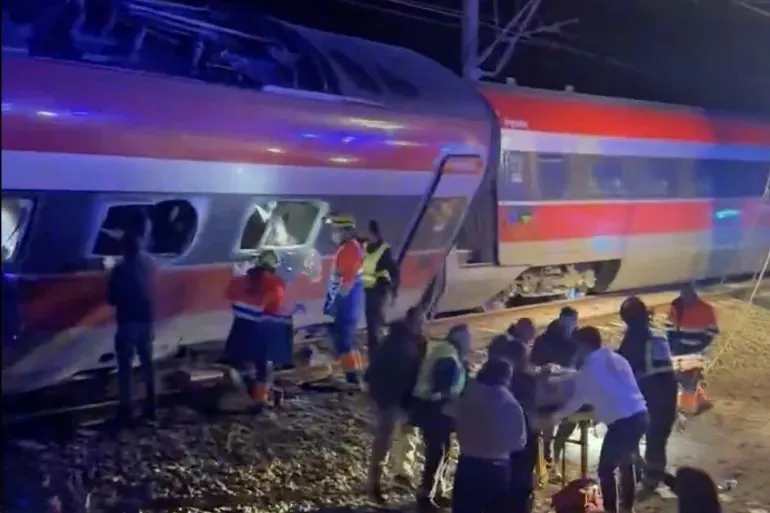
Land trade halts and intensified maritime warnings: mounting pressure on Iran
Iran faces a decline in overland trade with thousands of trucks stranded at its borders and a sharp rise in food prices, while threats to block US warships and incidents in the Strait of Hormuz have increased.
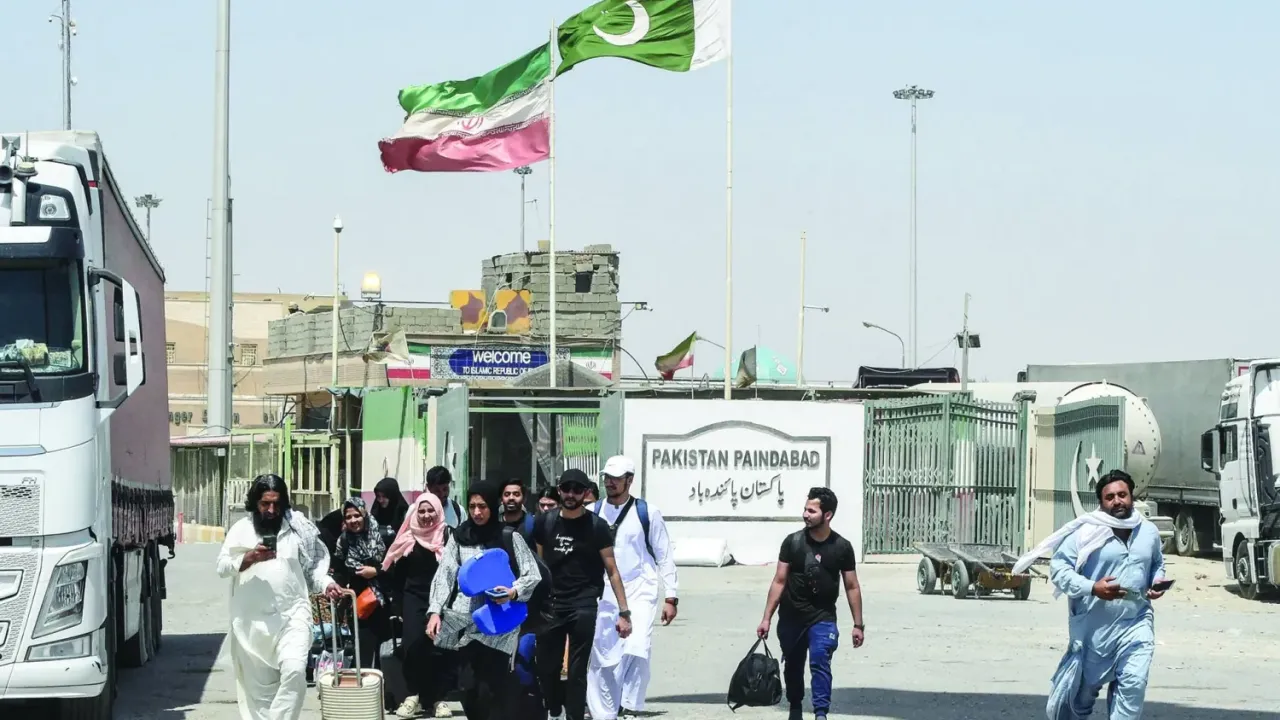
Iran is facing simultaneous pressure on both economic and security fronts after overland cargo movements through several of its border crossings halted and thousands of trucks piled up, while tensions with Washington have escalated and risks to navigation in the Strait of Hormuz have increased.
The Wall Street Journal, citing an Iranian official, reported that Pakistan has blocked trucks coming from Iran across two border crossings, leading to a suspension of Iranian exports to Pakistan. The paper quoted another Iranian official saying that about 17,000 trucks are stuck on Iran’s borders with Turkey, Afghanistan and Azerbaijan, indicating a widening disruption in overland freight movement.
The duration of the truck delays, the nature of the goods and the volume of exports affected, or when shipments might resume, were not clear; however, the developments reflect growing difficulty in using land routes to move goods to and from Iran amid increasing economic pressure.
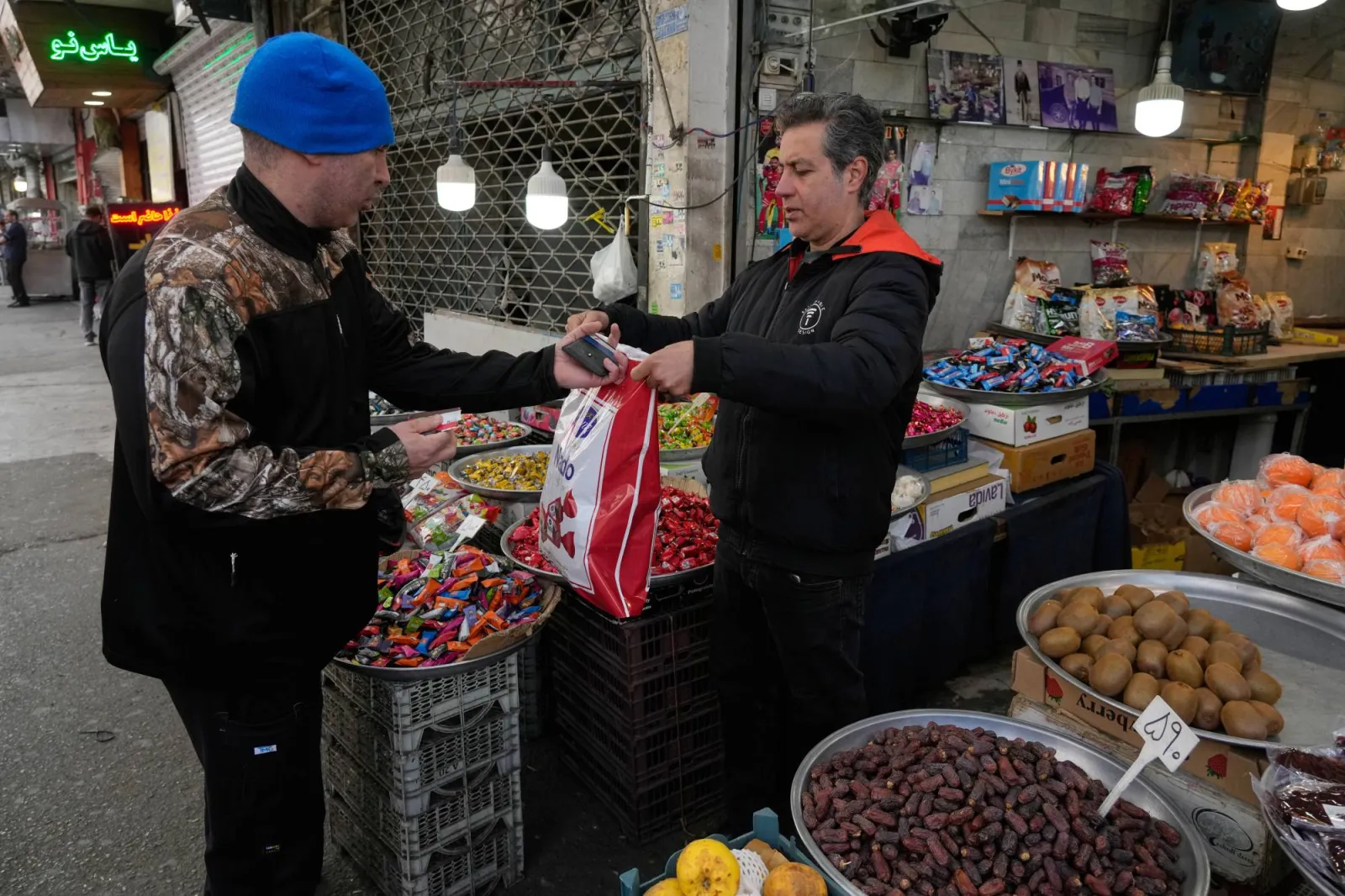
The Wall Street Journal also reported a 128 percent rise in food prices inside Iran, without specifying the time frame over which that increase was recorded or whether it pertains to a specific basket of goods.
Separately, the paper quoted a US official saying that sanctions isolate the Iranian regime and are driving it into a state of despair, characterizing Washington’s stance on the policy of economic pressure.
Politically and diplomatically, Pakistan renewed its call for dialogue to de-escalate tensions. Deputy Prime Minister and Foreign Minister Mohammad Ishaq Dar posted on X on Saturday that dialogue and diplomacy remain essential, and that his country, which has acted as a mediator between the United States and Iran in recent months, will continue to work with Turkey and friendly states to support efforts for peace and stability.
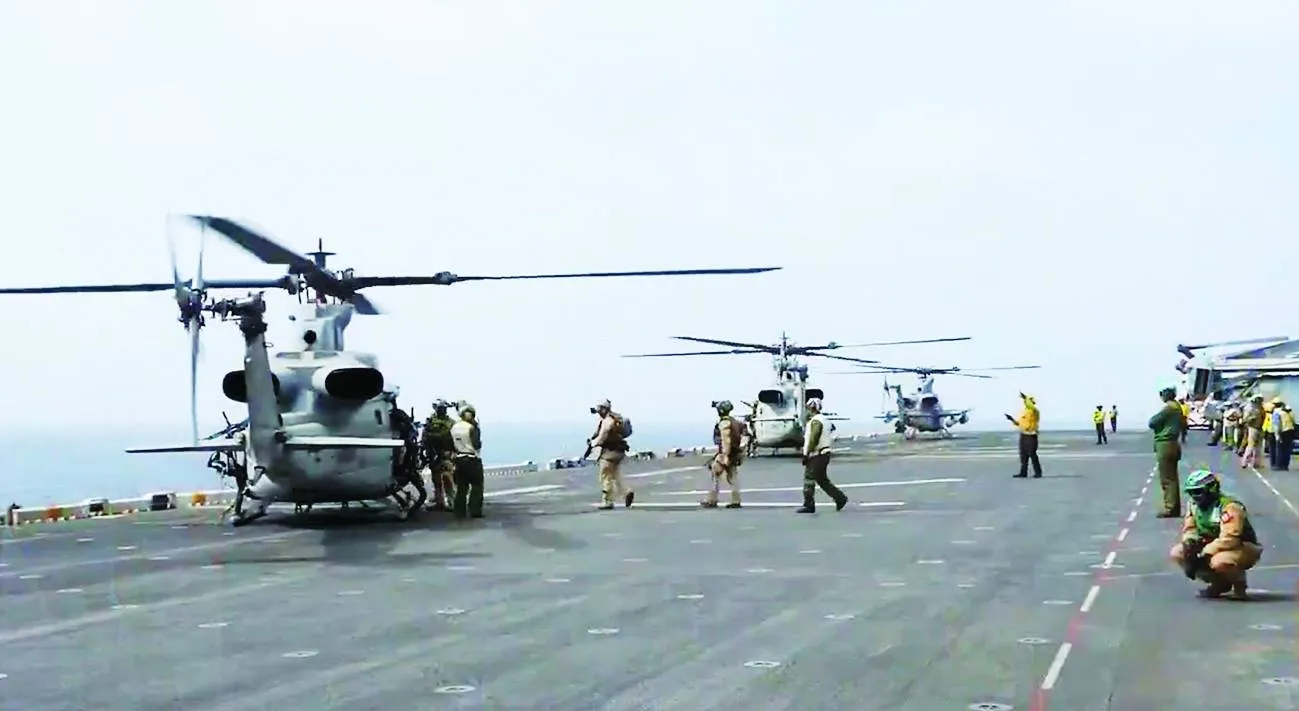
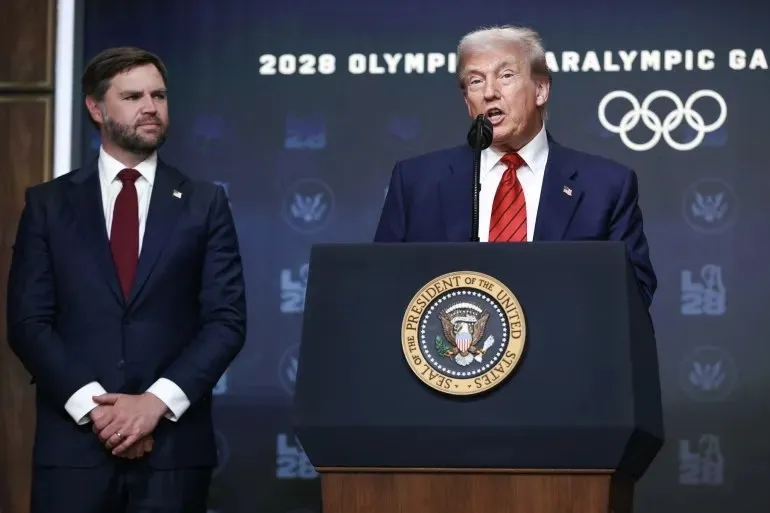
On the military front, Chief of the General Staff of the Iranian Armed Forces Ali Abdollahi said on Saturday that his country "will not allow US warships to enter Gulf waters under any circumstances," according to Iranian state television. Abdollahi attacked US President Donald Trump, accusing him of dreaming of returning US forces to the Gulf and asserting that this dream will not be realized.
Meanwhile, the Islamic Revolutionary Guard Corps said two oil tankers caught fire on Friday night into Saturday after striking an explosive device or a mine in the Strait of Hormuz. Reports point to an increase in attacks on vessels transiting the strait in recent days, while the United States continues to escort some naval ships and, according to circulated estimates, is imposing restrictions and tightening controls on Iranian ports.
Economic pressures and military threats are intertwined in the current escalation: disruptions to overland trade exacerbate Iran’s economic burdens, while the Strait of Hormuz remains a potential flashpoint that could shape the course of the confrontation, at a time when calls for dialogue persist without clear guarantees for containing the escalation.