Record surge in tanker shipping costs pushes Asian refineries toward Murban and other alternatives
Shipbroker data show chartering a tanker to move 2 million barrels of US crude to China in November hit $80 million, making US crude uneconomic and lifting the premium on UAE Murban to over $11 above Dubai.
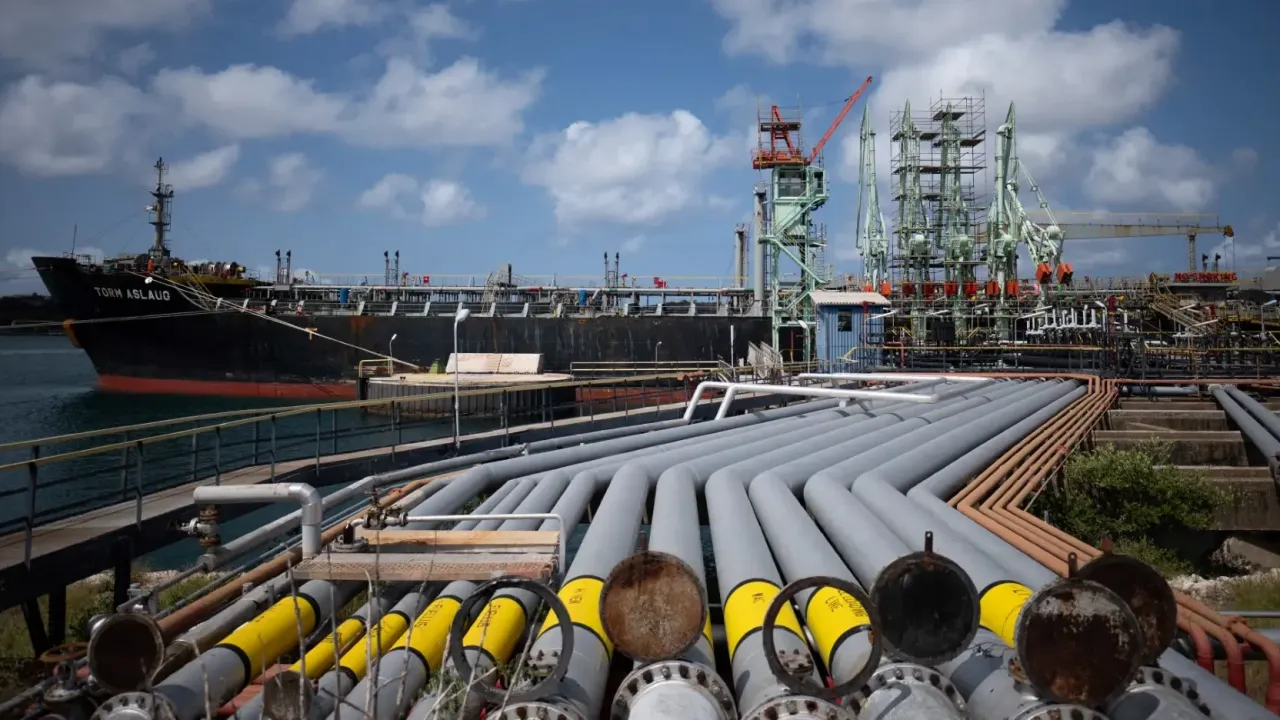
International sources in the maritime shipping sector said on Friday that many Asian countries are now preferring to import oil from the Middle East and Latin America rather than US crude because tanker shipping rates have risen to unprecedented levels.
Data from shipbroker Simpson Spence & Young, published on the London Stock Exchange Group platform, show that the cost of chartering a very large crude carrier to move 2 million barrels of US crude from the Gulf of Mexico to China in November reached $80 million this week.
Traders and shipbrokers said this means shipping on that route is no longer economically viable, effectively closing the arbitrage window — buying barrels in one market and selling them in another in close timing to profit from price differentials.
Instead, Asian refiners are considering switching to UAE Murban crude, which pushed its premium to more than $11 per barrel over Dubai on Thursday.
Sources said shipping costs have reached about $40 per barrel, compared with $8.60 before the start of the Iran war. Those costs amount to nearly half the current price of WTI futures, raising refining costs in the world’s largest oil-importing region while shipowners are posting hefty profits.
Three traders and a shipbroker said US crude sellers are expected to lower their offers to bolster competitiveness in global markets, while some trading houses have shifted to using smaller tankers.
John Jo, an analyst at Sparta Commodities, said: "This dramatic surge in freight rates translates into a higher cost of delivering crude oil to Asian refineries."
She added that refined product margins will need to remain elevated to keep overall gross refining margins positive.
A shipping analyst said persistent demand for tankers on this route, combined with expectations of further releases from US strategic petroleum reserves, is supporting freight rates.
Jo said freight rates for giant tankers on long-haul routes from the US Gulf coast to Asia, and from Fujairah to the east, have risen by more than 300% since mid-August.
An oil-sector analyst at a trading company said Murban is trading at about $2 per barrel below WTI on a delivered-to-Asia basis.
Accordingly, traders said Asian refineries may buy more Murban or other alternatives, such as Argentina’s Medanito crude, though some refiners may pay higher prices for US barrels to ensure supply security.