Chances of War Returning Between Iran, Israel and the U.S.
Reports of U.S.-Israeli plans for new strikes on Iran after the U.S. election, rising tensions in the Strait of Hormuz, alongside ongoing Qatari and Pakistani mediation. A look at escalation and de-escalation indicators and the main scenarios.
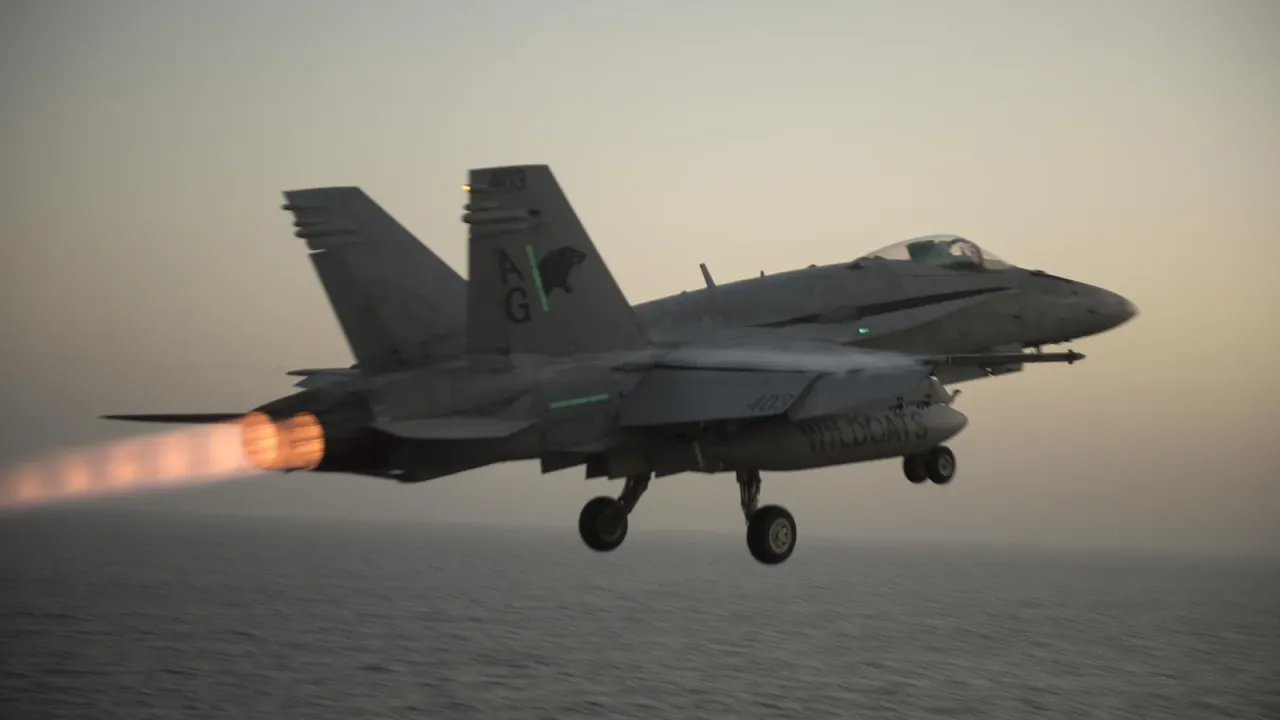
Indicators are increasing of a possible return to large-scale military confrontation between Iran on one side and the United States and Israel on the other, about eight months after the outbreak of the war on February 28. Reports of plans for new strikes intersect with rising tensions in the Strait of Hormuz, while mediation channels between Washington and Tehran have not been cut.
Plans for strikes after the U.S. election
U.S. reports, citing officials and informed sources, say the U.S. and Israeli militaries have drawn up specific plans to resume strikes on Iran after the U.S. midterm elections scheduled for November 3, in the form of a "short and intense" operation that could target nuclear facilities, energy sites, and storage for missiles and drones.
According to the same reports, the plans avoid targeting oil refineries because of concern about fuel price increases, while President Donald Trump has not made a final decision and may either carry out the strikes this month or abandon them entirely. The White House did not comment on these plans.
Trump halted an Israeli strike
Informed sources said Israeli Prime Minister Benjamin Netanyahu planned wide-ranging strikes on Iran earlier this month, including nuclear facilities, government sites and civilian infrastructure such as power plants, but Trump opposed rekindling the war before the U.S. election, so the operation was postponed. Trump had announced on the 8th of this month that his country would not resume strikes on Iran before the election.
In his latest remarks, Trump denied there were negotiations with Tehran, saying only that "something" will happen regarding Iran "fairly soon."
Hormuz.. the main flashpoint
On the ground, Iran’s Islamic Revolutionary Guard Corps said three oil tankers struck naval mines south of the Strait of Hormuz and caught fire, noting they were following a route it deems "illegal," and that one of them was carrying about two million barrels of crude oil. This account could not be independently verified.
In another sign of U.S. concern, the State Department ordered some diplomats and their families to leave U.S. missions in Saudi Arabia, coinciding with an escalation of attacks Saudi Arabia has faced from Yemen.
Qatari and Pakistani mediation remains in place
In contrast, U.S. Secretary of State Marco Rubio welcomed mediation efforts led by countries including Qatar and Pakistan, saying any agreement must prevent Iran from possessing a nuclear weapon, and that the final decision rests with Trump.
Iranian Foreign Minister Abbas Araghchi said indirect negotiations with Washington continue through intermediaries, including Pakistan and Qatar, stressing that his country is committed to seeking a "peaceful solution that preserves dignity," but that it is "fully prepared to defend itself."
Iranian President Masoud Bezhshkyan said Washington cannot expect dialogue with Tehran while imposing a blockade and issuing threats, adding: "You cannot close all the roads and threaten, and at the same time want dialogue."
Factors pushing toward escalation
- The existence of ready military plans in Washington and Tel Aviv, and repeated Israeli pressure to resume strikes.
- The continuation of the U.S. maritime blockade of Iranian ports, and the stumbling implementation of the June memorandum of understanding on navigation in the Strait of Hormuz.
- Tehran’s insistence on its conditions, including ending the blockade of its ports, lifting sanctions on its oil exports, halting hostilities on all fronts, and its assertion that enriched uranium will not leave its territory.
- Incidents involving tankers in Hormuz and the widening scope of attacks in the region.
Factors pushing toward de-escalation
- Trump’s keenness to avoid a new war before the midterms, and his concern about rising energy prices.
- The continuation of indirect channels through Qatar and Pakistan, and Washington’s public welcome of them.
- Tehran’s insistence that the door to a peaceful solution remains open, despite its tough conditions.
What are the possible scenarios?
Scenario one: A short and intense U.S.-Israeli strike after November 3, likely to be met by an Iranian rocket response and further tightening in the Strait of Hormuz, with repercussions for oil prices and the security of Gulf navigation.
Scenario two: Success of mediation in reaching a phased understanding that partially reopens navigation in exchange for easing the blockade — a path that clashes with the wide gap between Iran’s conditions and U.S. demands on the nuclear file.
Scenario three: A continued state of "neither war nor peace" with sporadic incidents in Hormuz and mutual threats, using the threat of strikes as a negotiating pressure card until Trump decides.
The days following the U.S. election remain decisive in determining the direction, amid reports that the decision to return to war still lies solely with the U.S. president.
Read also: Trump denies any negotiations with Iran and the IRGC warns after incidents near the Strait of Hormuz