US Institute Paints Bleak Picture of PM Ali Falih al-Zaidi and Blames Him for Iranian Influence
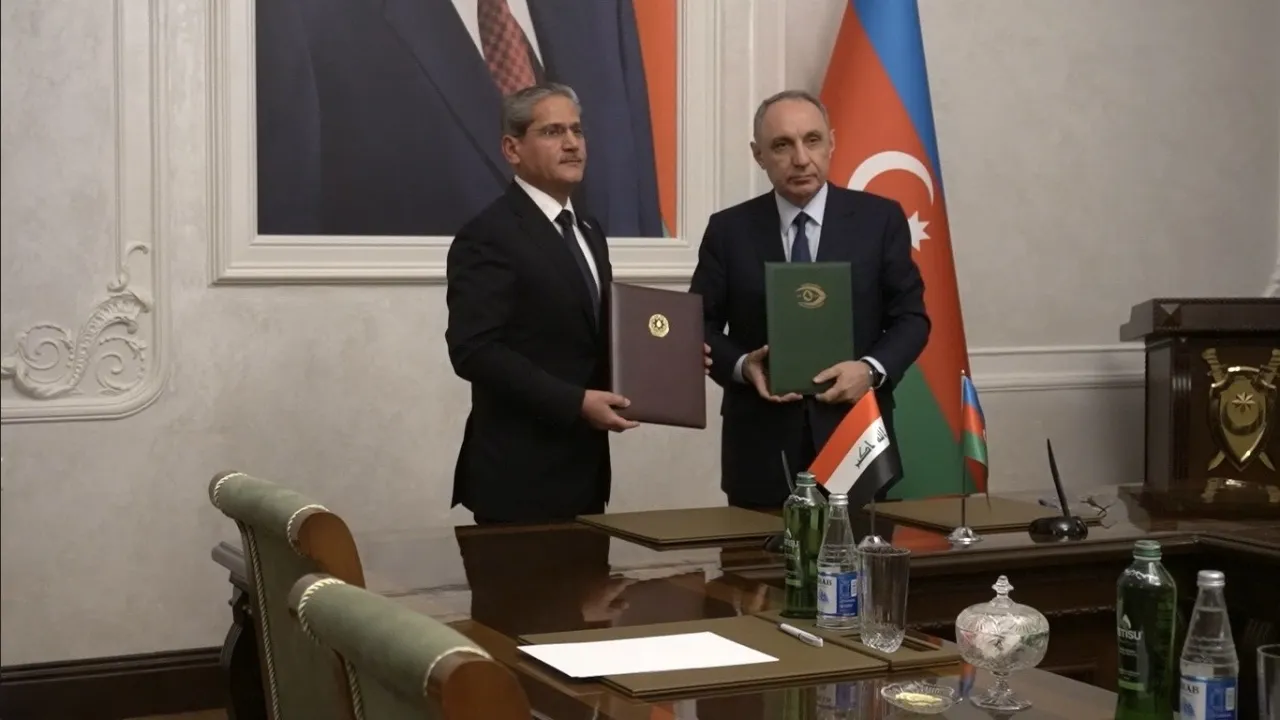
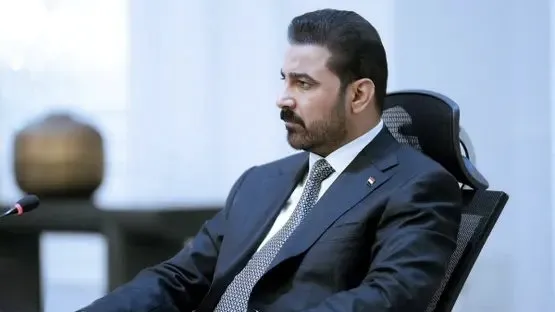
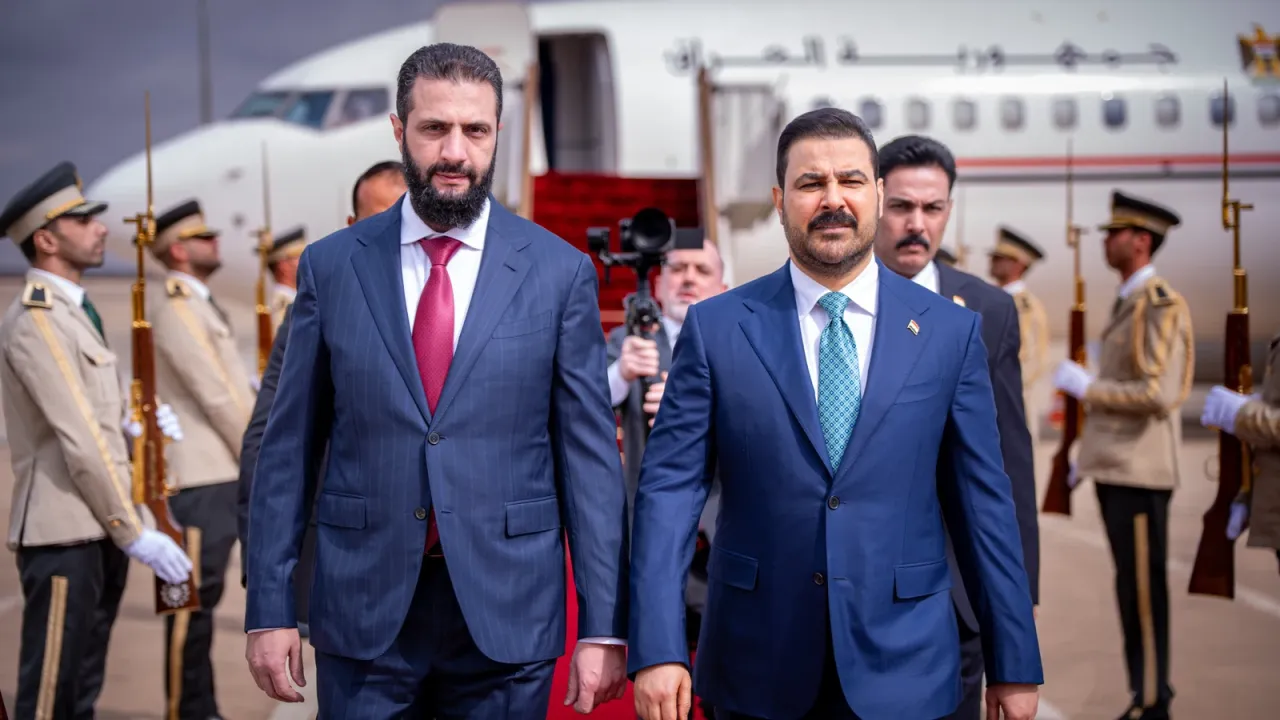
The US think tank the Middle East Forum described Prime Minister Ali Falih al-Zaidi’s performance as bleak, saying he owes his rise to Nouri al-Maliki and broke promises to Washington while being lenient with Iran-backed militias.
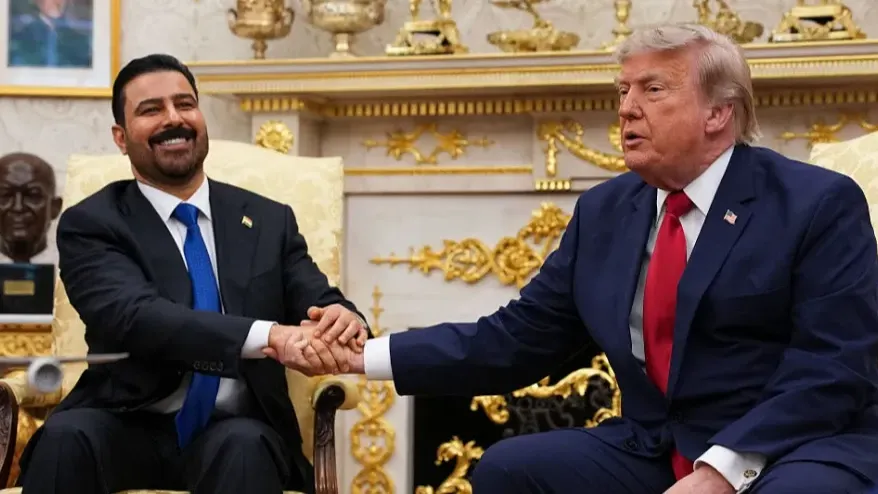
The US think tank the Middle East Forum painted a bleak picture of Prime Minister Ali Falih al-Zaidi’s performance since his appointment to succeed Mohammed Shia' al-Sudani, saying he owes his political rise to Nouri al-Maliki and is repeating the mistakes of his predecessor Adel Abdul Mahdi, while the institute accuses him of "lying" to US President Donald Trump.
The institute noted that criticisms of al-Zaidi’s rise do not negate that the Iraqi elections were real; in fact, the voting results were surprising even to some participants in the political movement, according to a report by the institute translated into Arabic.
The report reviewed al-Zaidi’s personal and political background, noting that he was 16 when US forces launched the "shock and awe" campaign and Saddam Hussein was ousted, and that roughly 52% of Iraqis were born after the fall of the previous regime, with many coming of age under the new system that followed.
The institute described al-Zaidi as intelligent, a builder of useful political relationships, and a tactician who succeeded in the patronage game within what it calls one of the most corrupt environments in the world. After outlining his economic, banking, and commercial background, the report said those who pushed for his appointment hoped he would bring a "new face" and a practical approach to running the state.
The institute gives two reasons for the White House's support for al-Zaidi: first, because he is not Nouri al-Maliki — whom the report accuses of being "corrupt and sectarian and of repeatedly selling Iraq's sovereignty for Iran" — and second, because al-Zaidi pledged to Trump that he would be serious about disarming Iran-backed militias.
However, the report said that thinking was closer to wishful thinking; it noted that al-Zaidi may have been al-Sudani's choice through the Coordinating Framework, but that he remained politically and financially indebted to al-Maliki, which constrained his ability to confront Iranian influence.
The institute added that al-Zaidi, like his predecessors, told the US president what he wanted to hear and then acted oppositely. The report said that a memorandum of understanding mentioned in the context eased US pressure and gave al-Maliki and others such as Hadi al-Amiri, Qais al-Khazali, and Qubad Talabani greater ability to withstand external pressures.
The report concluded that al-Zaidi has not honored his commitments to rein in armed factions such as the Badr Organization, Kata'ib Hezbollah, and Asa'ib Ahl al-Haq, and that he has moved in a direction that facilitates new Iranian incursions. It warned that the cancellation of contracts with telecom companies to build a unified network — purportedly to prevent involvement by a Chinese element or commercial agents linked to Iran — was used as evidence of ineffectiveness and deception by al-Zaidi's administration, which, the report says, has helped strengthen Iranian influence and exposed Iraq to danger because of his loyalty to al-Maliki.
The institute also reviewed the context of previous protests, noting a wave of demonstrations in Basra in the summer of 2018 after polluted water caused roughly 100,000 people to be hospitalized and thousands more to be injured, and that broad public anger, which in part rejected Iranian influence, led to the burning of Tehran's consulate at that time.
The report addressed Adel Abdul Mahdi's rise in October 2018, noting that his fall from popular favor did not come quickly, and that the September 2019 demonstrations — which on October 1 turned into angry protests in Baghdad and southern Iraq against corruption and the political system — were met by security forces with violent measures including live fire and internet shutdowns, while activists were killed and kidnapped and protesters attacked Iranian diplomatic premises in Karbala and Najaf.
The report noted that a sermon by the religious authority Ali al-Sistani urged the parliament to reassess its support for the government, leading Abdul Mahdi to submit his resignation and remain in a caretaker capacity until May 2020, when Mustafa al-Kadhimi took office; according to the report, al-Kadhimi disappointed activists, failed to deliver major reforms, and gave Iran more room to exert influence.
The institute concluded its analysis by saying that by choosing to prioritize al-Maliki over the public, al-Zaidi disappoints Iraqis once again, warning that a repeated 'reform' deception could spark a new protest movement that might target the entire ruling establishment and expose the country to the risk of collapse and regional interventions.
The report ends with a phrase it describes as "a storm of fire," asking whether President Trump will remain a bystander while al-Zaidi "lies" to him and benefits from selling fuel to those who might ignite that fire.