Warnings of Misinformation from Chatbots Ahead of November 3 Midterms
With the November 3 midterm elections approaching, increasing numbers of voters rely on AI-powered chatbots — while studies warn of repeated errors and low-quality sources that could mislead voters.
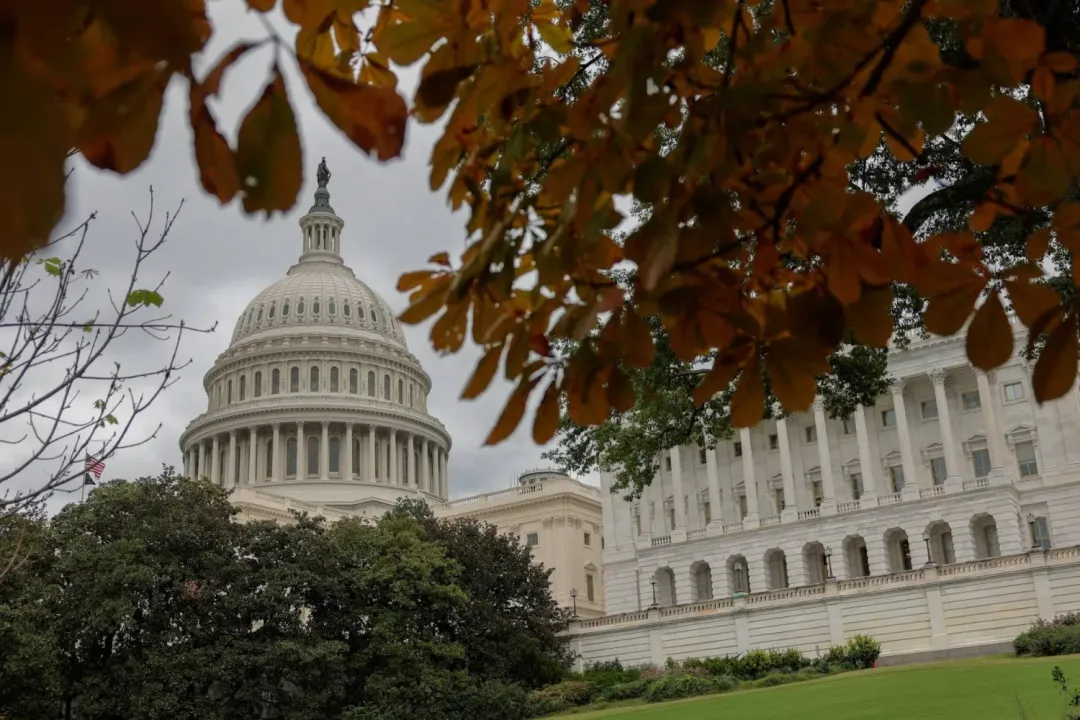
As the United States midterm elections scheduled for November 3 approach, millions of voters are turning to AI-built chatbots for election information, but recent studies warn that these tools may amplify the spread of misinformation through errors in answers, mixing up candidates, and replicating foreign propaganda.
A study by startup Forum AI, which specializes in evaluating AI models, found that about 40 percent of chatbot answers to election questions contained at least one error. The study cited practical examples, including that Anthropic’s Claude wrongly attributed to a representative from North Carolina the description “former school district superintendent,” a mix-up between candidates.
The study added that errors were more frequent on practical questions about voting procedures than on questions about candidates themselves. For example, Google’s Gemini 3.6 Flash answered that November 3 was the deadline to request a mail ballot in Pennsylvania, while the study noted the actual deadline was a week earlier.
Forum AI also said chatbots attributed statements hundreds of times to candidates, officials and observers that were not issued by them, and repeatedly relied on internet sources it described as “low-quality,” such as discussions on online forums.
Anthropic did not respond to a request for comment from Agence France-Presse. Google said it is focused on helping voters find reliable information and applies quality controls and strict policies to its AI products on electoral topics.
In late October, AFP’s fact-checking service debunked a video likely altered using AI that claimed to show a former student of Texas Senate candidate James Talarico accusing him of sexual misconduct; the fact-check services called the allegation baseless and said it bore hallmarks of a Russian disinformation campaign.
AI-related services, including Google’s “AI Overview” and other models, reproduced the same accusation when asked by a site that tracks disinformation, according to the site’s report. Another report indicated that chatbot users are at risk of being deceived by foreign influence operations and other malicious actors.
But a later test by AFP’s fact-checking team after corrections showed that some AI tools subsequently relied on specialist fact-checkers in their answers, indicating variability in their outputs between tests. Google said the problem was addressed after it updated systems to show updated reports, while Microsoft said reliable information was limited at the time of the first question and that Copilot reversed its position after newer data became available and labeled the claim fabricated.
The picture is not wholly optimistic. A survey by the National Conference on Citizenship, a nonpartisan organization, found that two in five Americans used AI tools to look up election information, including details about candidates and measures on the ballot. The survey reported that only 40 percent trust these tools for procedural voting information, while 60 percent said they trust them little or not at all regarding neutrality toward candidates.
By contrast, research by the Brennan Center for Justice found that leading chatbot models pushed back against common election conspiracy theories, such as claims of tampering with voting machines, showed empathy toward skeptical users, and refused to endorse conspiracy theories. The center said this suggests these tools may play a constructive role in combating electoral misinformation despite repeated errors.