US midterm elections set to be the most expensive in history with political ad spending topping $10 billion
With November 3 approaching, political ad spending in the congressional midterms has passed $10 billion; AdImpact expects it to reach $11.6 billion, with heavy ad buys in the final weeks.
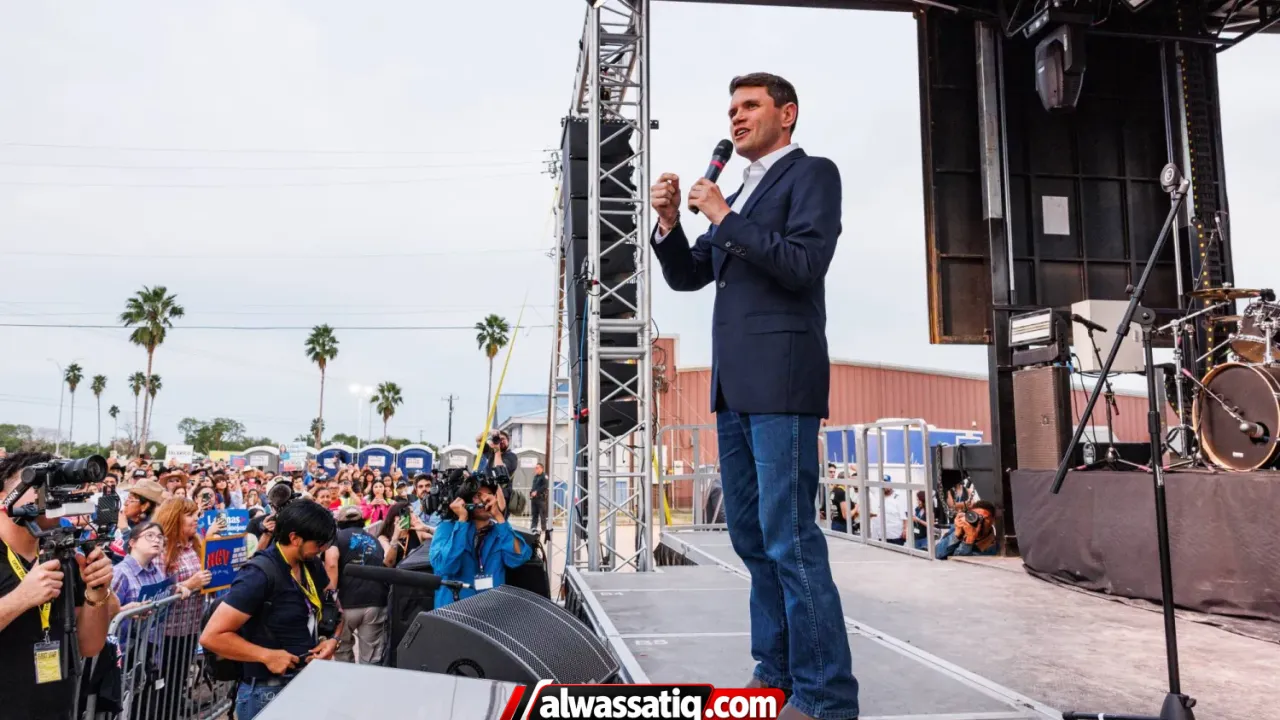
The US congressional midterm elections scheduled for November 3 look set to register a record in campaign spending after spending on political advertising alone topped $10 billion, with expectations that the total will rise during the final two weeks of the campaign.
There is no official consolidated total for overall campaign spending, but data from AdImpact, a company that monitors advertising, indicate that ad spending and pre-reserved broadcast time have exceeded $10 billion. The company expects that figure to climb to $11.6 billion by Election Day. That exceeds what was spent in both the 2020 and 2022 cycles combined, and also surpasses total spending in the 2024 presidential campaigns, which reached about $11.2 billion.
In recent days of the campaign, candidates and political action committees from both parties have poured large sums into efforts to win over undecided voters before the vote. Financial reports filed with the Federal Election Commission showed spending of more than $1 billion during the first 14 days of this month, covering television and digital ads, field staff wages, and event organization.
According to AdImpact, $1.4 billion in ads are scheduled to run in the final two weeks alone, and a single recent Wednesday recorded $147 million in spending — the highest daily spend since the campaign began.
The main Democratic Senate political action committee was the biggest spender in the first half of the month with about $109 million, followed by three Trump-linked PACs with combined spending near $103 million, and then a principal Republican Senate PAC with about $86 million. Among candidates, Democratic candidate for the Texas Senate seat James Talarico spent more than $22 million from his campaign account in the same period, the largest amount by any candidate in a close race.
The figures reveal a dual equation: Democrats lead in fundraising from individuals and candidates, but Republicans hold a substantial financial edge when big PACs and outside groups are counted, especially in Senate races. A New York Times analysis found that the five largest Republican groups raised about $1.6 billion between January 2025 and mid-October, roughly $732 million more than their Democratic counterparts, with the Republican "Senate Leadership Fund" accounting for nearly one-third of that total. By contrast, the five major Democratic committees raised about $877 million, led by the "Senate Majority Committee."
Republican dominance extends to the parties' official committees as well: the Republican National Committee outpaced the Democratic National Committee in fundraising and transferred about $44 million to party committees. AdImpact data show Republicans spent about $947 million in races rated "competitive" by the Cook report, compared with $625 million by Democrats. In nine of the most competitive Senate contests, Republicans spent about $233 million on television ads last month versus $121 million by Democrats. In House races the gaps are narrower, with the Republican advantage amounting to about $14 million across 21 competitive contests.
Candidates benefit from preferential ad rates compared with outside groups, which lowered the cost of media buys for some Democratic candidates in certain races. In Texas, Talarico raised about $123 million more than his Republican opponent Ken Paxton. In Wisconsin, Democratic House candidate Rebecca Cook raised about $12.5 million, the most by any candidate in competitive House races.
Elon Musk emerged as the largest individual donor in this cycle after revealing donations exceeding $400 million to his electoral efforts, having added roughly $77 million to his "America Back" committee in the first two weeks of October. Estimates of his total contributions range from about $420 million to more than $440 million, compared with roughly $290 million he spent in the 2024 elections. Much of his giving was directed to support Paxton in Texas, including payments totaling $158 million in two installments in September to the Senate Leadership Fund, which transferred each installment the next day to a Texas PAC supporting Paxton; his donations also included $10 million to "Lone Star Liberty" and other contributions to Republican congressional groups and governors' campaigns.
Musk is not alone: conservative billionaire Dick Uihlein increased his federal donations to about $143 million after adding $12.3 million this month. On the Democratic side, former New York Mayor Michael Bloomberg donated about $66 million to federal committees between September 1 and October 14, part of a plan to reach roughly $80 million in the final two months, with a focus on supporting House Democrats.
The Texas Senate race tops the list of most expensive contests with advertising and television reservations exceeding $500 million, making it the second non-presidential race to reach that level after the 2024 Ohio race, which totaled about $542.7 million. A CBS/YouGov poll conducted October 8–16 showed Talarico with 51 percent support.
In Ohio, ad spending on the race surpassed $450 million, with Republicans spending about $270 million to support Senator John Husted and Democrats spending more than $180 million to back former Senator Sherrod Brown. It was disclosed that a new committee promoting an independent socialist candidate in the state, called "Enough Promises, Ohio," received $2.5 million from Conservative Americans PAC, a Republican-linked group that could be aiming to draw left-leaning votes away in favor of the Republican candidate.
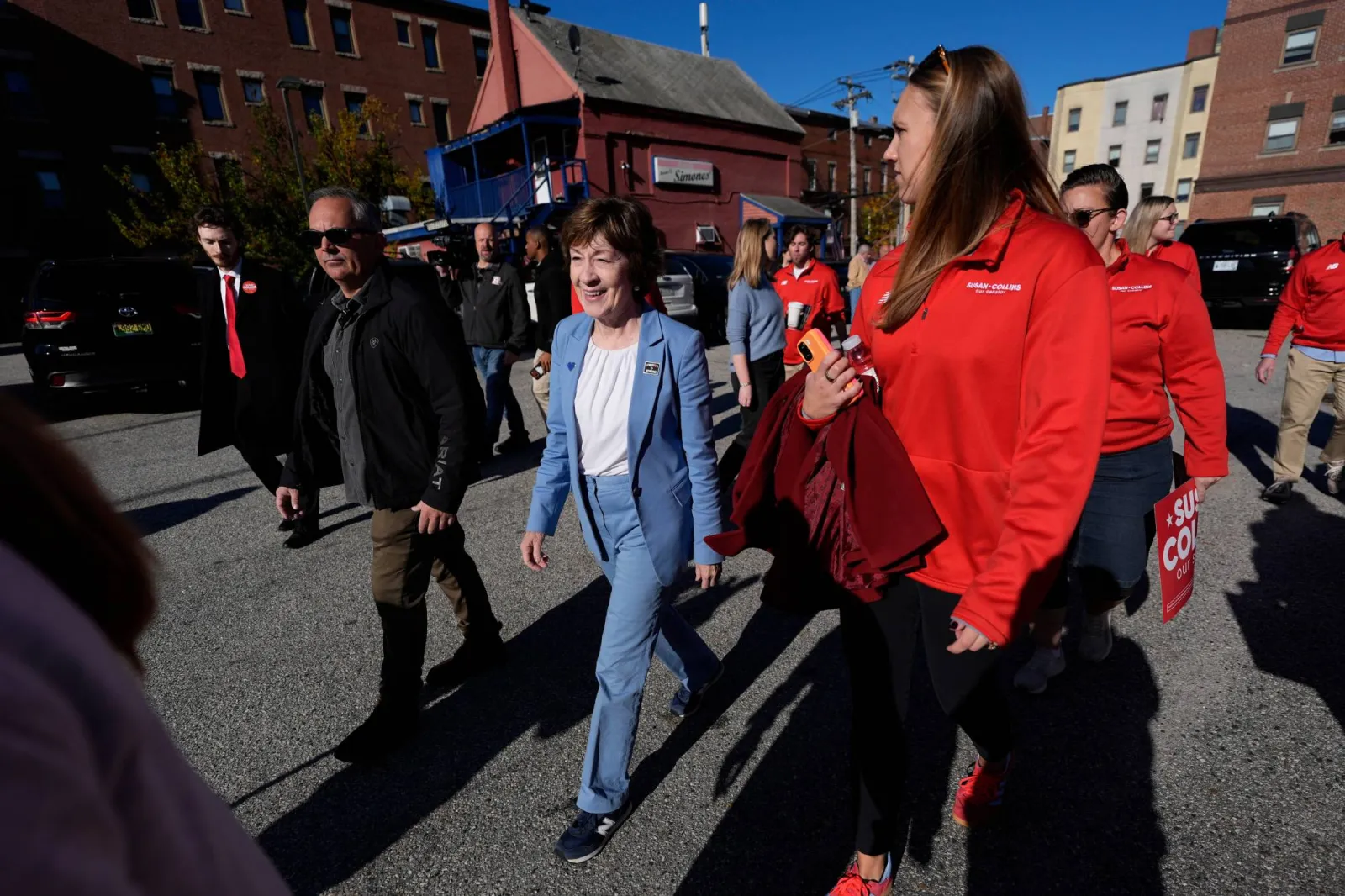
Maine features the most expensive race on a per-capita basis, with nearly $200 million in advertising as Republican Senator Susan Collins faces Democrat Troy Jackson. Republicans have spent or committed about $114 million since January compared with $81 million by Democrats.
As the vote approaches, more money is flowing through nonprofit organizations that do not disclose their donors. The Democratic committee "Government That Works" raised about $28 million in the first two weeks of the month, largely from nonprofits, and then transferred similar amounts to other liberal committees. Republicans are using similar methods to support candidates including Susan Collins, Mike Rogers and Ashley Hinson.
A 2021 study published in the American Political Science Review indicates that a television advertising advantage of $2 million can deliver a Senate candidate about 10,000 votes, enough to decide a close race.