Oil Alone Does Not Protect Iraqis' Salaries and Projects: The Iran War's Impact on Iraq and Gulf Revenues
Iraq's oil revenues fell in 2026, revealing the risks of relying solely on oil, while the war's effects and shipping disruptions had uneven impacts on Gulf exports and revenues.
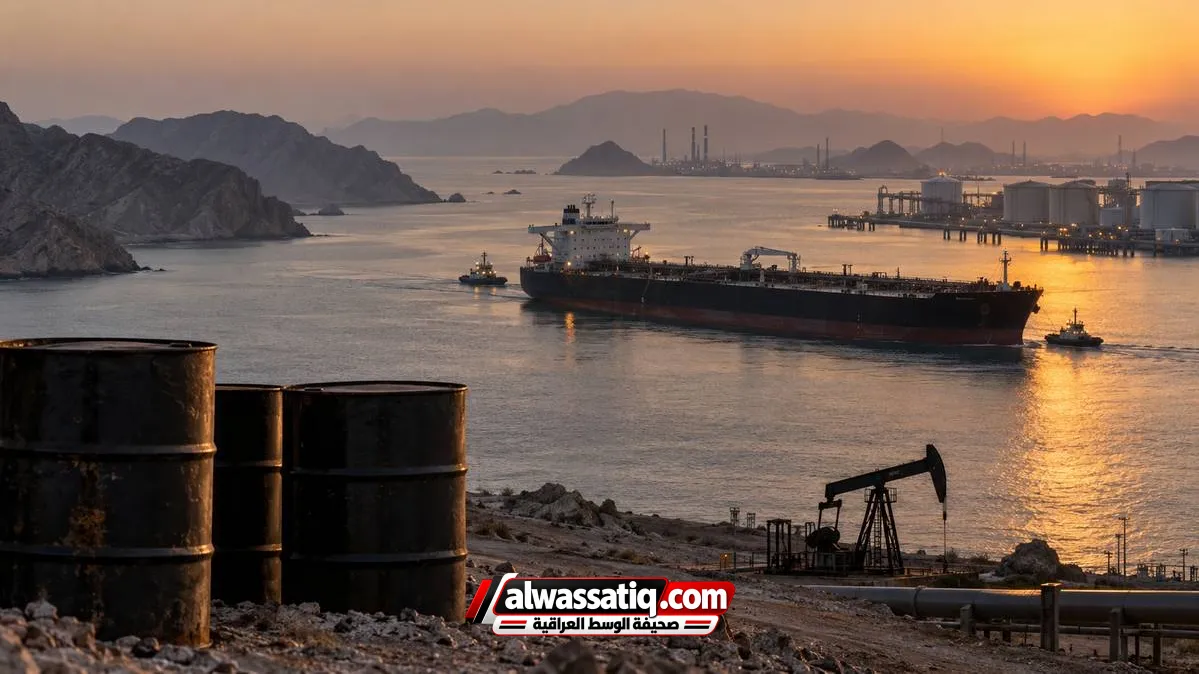
Prepared by: Al-Wasat Iraqi newspaper
Oil is Iraq's largest source of revenue, but it alone does not guarantee economic stability or the continuation of salaries and projects during crises. The Iran war and maritime disruptions in the region have shown that dependence on a single source makes income vulnerable when exports are disrupted or transport costs rise.
Having large oil reserves is not enough if Iraq cannot produce the oil, export it and sell it. When revenues decline, the government faces difficult choices about financing salaries, services, social welfare and investment projects.
How did the war affect Iraq's revenues?
Iraq relies heavily on oil revenues to finance the general budget. During the first seven months of 2026, oil revenues fell by about 53 percent compared with the same period last year, from roughly 65 trillion dinars to about 30.4 trillion dinars.
Total public revenues in the same period fell from about 72 trillion dinars to 39.1 trillion dinars. In contrast, government expenditures exceeded 65 trillion dinars, creating a large gap between funds entering the state treasury and the expenditures committed.
These figures do not mean that salaries stop automatically when revenues decline; the government can use available liquidity, borrow, or postpone some spending. But a persistent fiscal gap narrows available options and may lead to project delays or cuts to spending on services and investment.
Why is raising oil prices not enough?
Oil prices may rise during wars and crises, but higher prices do not always offset a drop in the volume of oil exported. State revenues depend on three main factors: production volume, the ability to transport and export the oil, and the price at which it is sold.
If the global price rises but tanker passage is disrupted or exports fall, the state may not achieve the revenues it expected. This is what Iraq experienced during the war, as its exports declined at stages of the crisis despite higher oil prices on global markets.
Oil proceeds do not immediately become spendable cash; there are financial obligations, operating expenses, production and transport costs, in addition to the need to convert revenues into funds the government can use.
Salaries and projects under budgetary pressure
When state income depends on oil, many sectors are affected by any revenue decline. Oil finances salaries, social welfare, health and education services, electricity, investment projects and other items.
When revenues fall, the government faces competing priorities. Monthly salaries and obligations are expenses that are difficult to stop, while new projects or development and maintenance works may be postponed or slowed. If the crisis persists, the implementation of projects needed by citizens may be affected, along with the level of services provided to them.
Citizens may also feel the effects through higher prices for imported goods and transport costs, even if their salaries continue to be paid. Iraq imports many of its needs, and shipping disruptions and rising insurance and transport costs can raise prices for food, medicines and raw materials.
How were Gulf states affected?
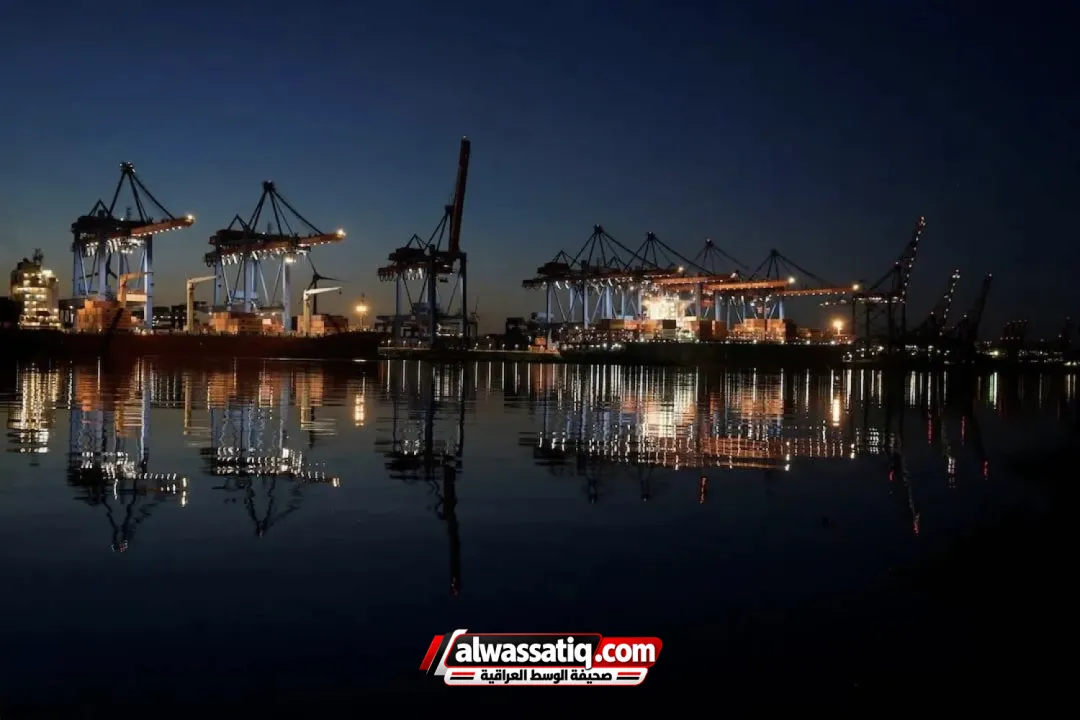
The war's impact on Gulf states varied according to each country's export volumes, the types of energy they produce, and the export routes available to them. Some exports were harmed by navigation risks and disruptions to shipping, while other countries were able to use pipelines and alternative ports to reduce reliance on passage through the Strait of Hormuz.
Non-Iranian Gulf exports managed to recover during parts of the war, reaching levels close to or exceeding their previous averages. But that did not eliminate the risks, as shipping routes remained exposed to attacks and disruptions, and some shipments took longer, more expensive routes.
Saudi Arabia has a pipeline that carries oil to the Red Sea, providing an alternative route to the Strait of Hormuz. But alternative routes do not erase the crisis's impact entirely; they are limited by capacity and may themselves be vulnerable to disruption or security risks.
Liquefied natural gas exports, such as Qatar's, require specialized facilities and ships. Energy facilities in the region were damaged during the war, affecting export capacities and showing that the risk is not limited to shipping routes but also includes production and processing facilities.
Exporting countries can benefit from higher energy prices if they continue production and exports, but this does not protect them from higher insurance and transport costs, damage to their facilities, or the possibility of export stoppages. Losses therefore differ between countries, but the ongoing war adds economic burdens across the region.
Why does Iraq appear more vulnerable to the crisis?
Iraq faces a dual problem: it relies heavily on oil to finance its expenditures while also depending on imports to supply much of its needs. Therefore a crisis can both squeeze state income and raise the cost of goods in markets at the same time.
Iraq also needs to diversify export routes and develop storage and transport capacities. When exports depend on a single main route, the country becomes more exposed if navigation is disrupted or tankers face security risks.
Under these circumstances, public revenues may fall while import costs rise. This adds extra pressure on the budget and on household purchasing power and may affect funding for projects and services.
What can protect salaries and projects?
Protecting financial stability begins by reducing dependence on a single source of income. This requires growing non-oil revenues, improving collection of taxes and fees, combating corruption and waste, and diversifying the economy by supporting agriculture, industry, tourism, transport and services.
Iraq also needs to develop alternative export outlets, increase storage and transport capacities, and build financial reserves that can be used when revenues fall. Setting spending plans based on realistic expectations of oil prices and export volumes helps avoid expanding commitments during boom periods and then facing deficits during crises.
Diversifying the economy does not mean abandoning oil; Iraq will remain an important oil country. But oil revenues should be used to build productive sectors that provide sustainable income and jobs, rather than relying on oil alone to cover most annual expenditures.
Conclusion
The Iran war showed that oil alone does not protect Iraqi salaries or guarantee the continuity of projects. Having oil and higher prices is not enough if exports fall or transport routes are disrupted, and dependence on a single source makes the budget highly sensitive to crises.
The war's impact on Gulf states varied: some faced production or export disruptions while others benefited from higher prices or alternative routes. But navigation risks and attacks on energy facilities increased the crisis's cost for the entire region.
The main lesson for Iraq remains that financial stability requires diversified resources, multiple export routes and cautious spending management. The longer economic diversification is delayed, the more salaries, projects and services remain tied to oil fluctuations and events beyond Iraqi citizens' control.